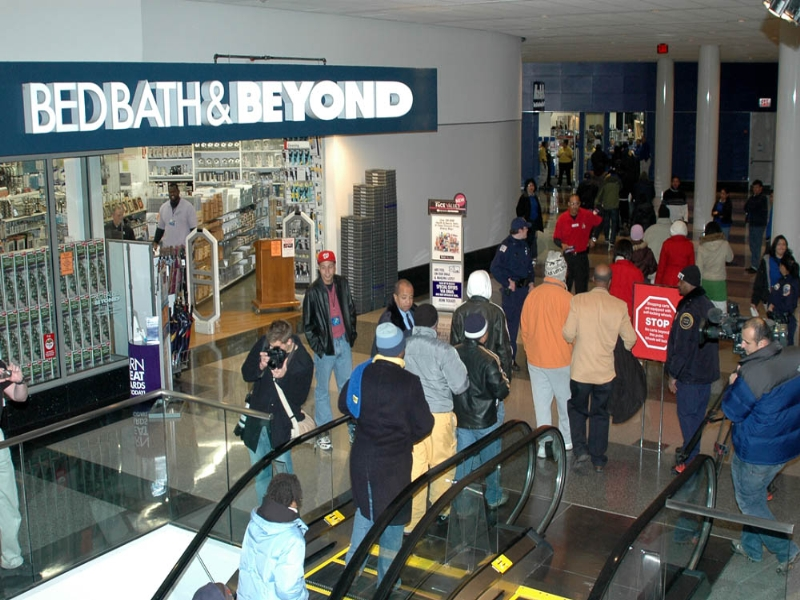
Fueled by the adrenaline of the moment and the excitement of scoring big discounts, many shoppers have ended up buying unusual items during Black Friday.
The annual Black Friday tradition may seem strange to those who don’t live in the United States. A few years ago, it was common to see people camping outside stores to get the best deals, with some items discounted by as much as 90%.
Nowadays, the tradition has changed slightly, as most shopping is done online. Even so, the hustle and bustle of the sales remain.
Fueled by the adrenaline of the moment and the excitement of scoring big discounts, many shoppers have ended up buying unusual items, justifying the purchase simply because “they were cheap.” A quick web search revealed some of the strangest purchases Americans have made during Black Friday, and here we share a few of them.
The strangest Black Friday purchases
Strange and unexpected items that sell out fast
According to the website Patch, one of the strangest purchases was “potato watches”: functional watches that run on real potatoes. Would you dare to buy one? Apparently, they were a huge hit during Black Friday thanks to the discount.
Other unusual items include dog DNA kits, squirrel feeders shaped like horse heads (making squirrels look like tiny horror-movie horses), and other extravagant “novelty” products, according to Patch.
TIME magazine reported that some shoppers bought odd gadgets and quirky home gifts: unicorn slime, LED unicorn headbands, prank boxes, and other novelty items that almost no one actually needs.
On the more surreal end, there have been offers for items like potty chairs equipped with iPads for toddlers, which many consider more ridiculous than practical, but they still sold, according to data from The Independent.
The offer to buy nothing
Some Black Friday deals are more about satire or publicity than actual shopping. Here are a few stories of people who literally bought nothing:
According to an article by Moneywise, one year the creators of Cards Against Humanity offered a Black Friday deal where people paid $5 to receive nothing. No game, no product, just nothing. Yet the offer sold out.
In a similar spirit of absurdity, TIME shares that there have been crazy deals for items with little practical value, but that serve as novelty gifts or conversation starters, such as alphabet soup toilet paper, sudoku toilet paper, and tic-tac-toe toilet paper.
Why do people make these purchases?
There’s a shopper psychology behind the Black Friday craze. Sometimes people buy simply for novelty or the appeal of the “ridiculous.” A potato watch or a horse-head squirrel feeder is cheap and fun, so who cares if you don’t really need it?
Other times, advertising and the frenzy heavily influence crowd behavior. Limited-time offers and discounts that are unique for the year… that environment can lead people to impulsively buy things they normally wouldn’t consider.
Whatever the reason, it all ends up being a story.

Controlling road rage: a guide for truck drivers
The three key steps to help truck drivers control road rage.

New identification process for the Drug and Alcohol Clearinghouse
The FMCSA has begun implementing new identity verification requirements for the Drug and Alcohol Clearinghouse.

OPEC: What the United Arab Emirates Exit Means for U.S. Fuel Costs and Logistics
The departure of the United Arab Emirates from the Organization of the Petroleum Exporting Countries is reshaping the global oil market, introducing price volatility and creating new challenges for diesel costs, freight operations, and fleet planning across the United States.

Trucks only: Georgia plans dedicated commercial vehicle lanes on I-75
The Georgia Department of Transportation has begun developing a project that plans to add commercial vehicle lanes on I-75.

Tesla Semi moves toward scale
Tesla’s electric truck is already on the road—now the real challenge is scaling production for the freight industry

New US transportation map: adapt without wasting time
The U.S. government has implemented sweeping changes to regulations governing freight transportation, affecting everything from who can be behind the wheel to mandatory in-cab technology. This is an effort to strengthen safety and operational transparency.