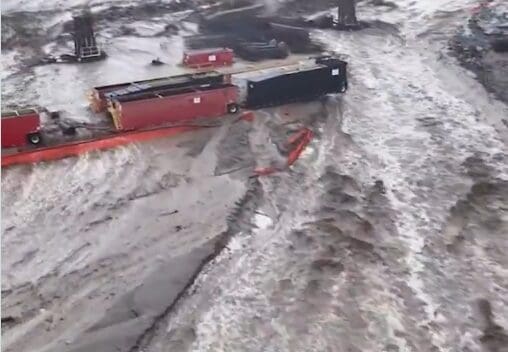
A powerful atmospheric river is driving Severe Flooding and Travel Chaos in Southern California, with torrential rain triggering mudslides, emergency evacuations, and widespread road closures. Major highways such as Interstate 15 were shut down as floodwaters and debris inundated roads and bridges, stranding holiday travelers and disrupting regional transportation.
Southern California is facing widespread flooding, road closures, evacuations and travel disruptions as a powerful atmospheric river storm system drenches the region with torrential rain and mud, particularly affecting major travel corridors like Interstate 15 (I-15) and threatening lives, property and infrastructure over the Christmas holiday.
Severe flooding in Southern California shut down major highways, including I-15, leaving holiday travelers stuck for miles as floodwaters and mud overtake roads and bridges. . pic.twitter.com/LrTEHF6Pno
— AccuWeather (@accuweather) December 25, 2025
Atmospheric River Brings Historic Rains and Flash Flood Risks
A potent atmospheric river — a long, narrow band of concentrated moisture from the Pacific — is responsible for the heavy rainfall soaking Southern California. These systems can deliver multiple inches of rain in just a few hours, far exceeding typical precipitation levels for December across the region.
Meteorologists and emergency officials have issued flash flood warnings and flood watches across much of Southern California, with persistent rain expected to continue through the Christmas holiday and beyond. Rivers, creeks and urban drainage systems are overwhelmed, leading to dangerous flooding, muddy flows and widespread impacts on travel and public safety.
Interstate Travel Disrupted: I-15 and Other Roads Closed
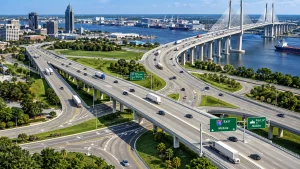
One of the most significant transportation impacts has been on Interstate 15 (I-15) — the major north–south artery connecting Los Angeles with inland regions and Nevada. All southbound lanes of I-15 north of State Route 138 were temporarily closed, as crews worked to remove mud, debris and address unsafe conditions caused by flooding and storm runoff.
Other state routes, including State Route 138 at Lone Pine Canyon Road, have also been shut down due to downed power poles and flooding-related damage, further complicating travel for holiday drivers in the region.
These closures come at a time when many residents and travelers were on the road for Christmas plans, leaving long backups, detours and travel delays on key corridors. Officials are advising motorists to reconsider non-essential travel amid persistently hazardous conditions.
A powerful storm moved through California on Christmas Day, bringing flooding rain and damaging winds to the Bay Area.
— AccuWeather (@accuweather) December 25, 2025
Video shows floodwaters pouring into homes and streets in Daly City. pic.twitter.com/Mh6nUBQdm8
Evacuations, Evacuation Warnings and Emergency Declarations
Beyond the disruption to highways and regional travel, emergency management agencies issued evacuation warnings and mandatory orders for communities at high risk of mudslides and debris flows. The most vulnerable areas include mountainous zones and neighborhoods previously affected by wildfires, where saturated soil conditions significantly increase the likelihood of secondary hazards.
State and local authorities responded with emergency measures as conditions deteriorated across Southern California. A state of emergency was declared across multiple counties, enabling the mobilization of additional resources, emergency personnel, and infrastructure support. At the local level, municipal emergency declarations allowed cities to accelerate response efforts, reinforce public safety operations, and deploy protective measures in flood-prone areas.
Residents living in vulnerable locations were urged to shelter in place or evacuate where ordered, as ongoing rainfall and unstable terrain created the risk of sudden and unpredictable mudslides capable of cutting off roads and isolating communities.
Human and Infrastructure Impacts
The impact of the storm extends far beyond transportation corridors. Emergency crews responded to dozens of rescue calls involving stranded motorists and residents, particularly in foothill regions and canyon communities where floodwaters and debris flows escalated rapidly.
In several areas, rainfall totals exceeded 11 inches, far surpassing typical seasonal averages and triggering flash flooding in both urban neighborhoods and mountain towns. The storm has also been linked to fatalities, including incidents involving falling trees and vehicle accidents under hazardous driving conditions.
Infrastructure damage has been widespread, with reports of downed trees, power lines, traffic signal failures, and inundated residential and commercial properties. Power outages affected tens of thousands of residents, while firefighters, utility crews, and National Guard units remained on high alert as the storm system continued to impact the region.
Airport and Travel Disruptions Extend Beyond Roads
Severe weather impacts were not limited to highways. Temporary closures and operational disruptions at key transportation hubs, including airports, compounded travel challenges during the holiday period. Flooded access roads, standing water on runways, and safety concerns forced intermittent suspensions of operations.
As a result, many travelers experienced flight delays and cancellations. Even when services resumed, residual flooding and persistent rainfall continued to affect airport connectivity and scheduling, prolonging disruptions across regional and national travel networks.
Why This Storm Is So Severe
Atmospheric river systems are a recurring feature of West Coast weather patterns, but their intensity can vary significantly. In this case, prolonged rainfall, already saturated ground from earlier storms, and hydrophobic soil conditions left by recent wildfires combined to amplify flooding risks and debris flows.
These factors reduced the land’s ability to absorb water, causing runoff to accelerate rapidly into roads, neighborhoods, and drainage systems. Scientists note that while each storm is shaped by specific atmospheric and oceanic conditions, the increasing frequency of extreme precipitation events in the western United States is an emerging trend that heightens regional vulnerability.
What Residents and Travelers Need to Know
Authorities continue to stress several key safety recommendations:
Avoid driving through flooded roads, as even shallow moving water can displace vehicles.
Follow evacuation orders and official guidance issued by local authorities.
Stay informed through official weather alerts and emergency communications.
With additional rainfall expected before conditions stabilize, residents and travelers are advised to remain vigilant and plan for ongoing disruptions across Southern California.

States with the most truck drivers in the U.S.
These are the states with the highest number of truck drivers in the United States. The trucking industry employs approximately 3.6 million truck drivers across

Lawmakers propose 10% penalty for brokers hiring high-risk carriers
A new legislation was proposed to penalize brokers who hire carriers with a history of violations. On December 18, Republican Representative John Moolenaar of Michigan

Severe Flooding and Travel Chaos in Southern California
A powerful atmospheric river is driving Severe Flooding and Travel Chaos in Southern California, with torrential rain triggering mudslides, emergency evacuations, and widespread road closures. Major highways such as Interstate 15 were shut down as floodwaters and debris inundated roads and bridges, stranding holiday travelers and disrupting regional transportation.

The Department of Transportation’s “naughty list”
The United States Department of Transportation continues to expand its “naughty list,” now including California, New York, and Colorado. The U.S. Department of Transportation (DOT)

Gas prices at lowest during the holiday season
Data by the American Automobile Association shows that December has been the cheapest month of the year for gas prices. The magic of Christmas has

Accident rates rise nearly 30% in winter holiday travel
The month of December becomes one of the most congested of the year, making the risk of an accident more volatile. Winter is the most