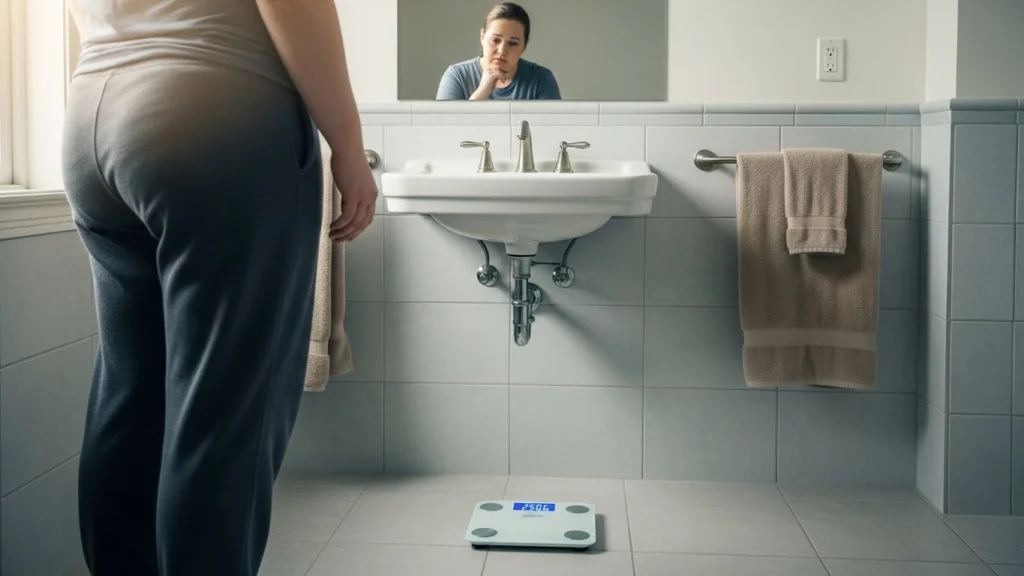
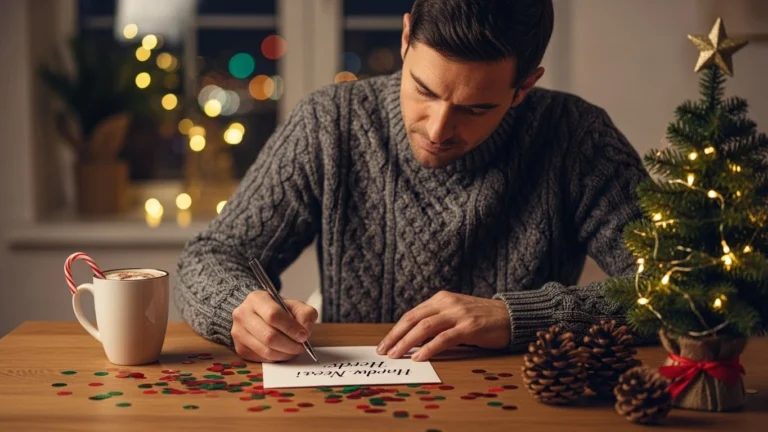
There are 10 typical resolutions that repeat themselves all over the world. Yet many of the goals we set on December 31 are rarely fulfilled. Not because of a lack of willpower, but because we tend to demand immediate transformations instead of learning to enjoy life, practice gratitude, and live the present moment with greater awareness.
Every year ends with a shared ritual across much of the world: reflection, a toast, and a list of promises for the year ahead. Eat better. Sleep more. Save money. Change. Be “better.” The calendar seems to offer us a symbolic opportunity to reset our lives and start fresh.
However, once the first weeks of January pass, many of those resolutions begin to fade. Not out of laziness or lack of commitment, but because we place unrealistic expectations on a process that should be gradual, flexible, and human. Psychology explains this clearly: we don’t fail because we’re incapable, but because we confuse desire with instant transformation.

“I’ll start on Monday”
This is the most universal promise of all. Delaying the start gives us a brief sense of control, but Monday arrives with the same routine, the same responsibilities, and the same accumulated exhaustion. The problem isn’t the day—it’s believing there’s a perfect moment to change. In reality, there almost never is.
“This year I’ll eat healthy”
Often said in the middle of a plentiful meal, this resolution clashes with a basic truth: eating isn’t just a rational decision. It’s culture, pleasure, emotion, and social connection. Treating nutrition as a rigid goal often leads to guilt and abandonment. Sustainable changes, on the other hand, tend to be small and progressive.

“I’m going to save money”
A common promise that coexists with impulsive spending done “to start the year right.” Saving doesn’t fail due to lack of intention, but because it’s rarely paired with a concrete, realistic plan. Without structure, the goal becomes little more than a statement of good intentions.
“I’ll sleep more”
This resolution usually appears when exhaustion has already peaked. Ironically, it’s often made late at night while scrolling on a phone. Sleeping better doesn’t depend solely on wanting to—it requires revisiting habits, routines, and daily demands that don’t change overnight.
Lorem fistrum por la gloria de mi madre esse jarl aliqua llevame al sircoo. De la pradera ullamco qué dise usteer está la cosa muy malar.
“I’ll work out”
For many people, this promise first translates into buying new workout clothes. The initial motivation is real, but consistency is another story. The mistake is treating exercise as an annual obligation rather than integrating it flexibly into daily life.
“I’ll get more organized”
Planners, apps, and calendars change, but the disorder remains. Not because of lack of ability, but because life doesn’t always follow rigid plans. Real organization usually requires constant adjustments, not magical solutions.
“I won’t stress so much”
A sincere promise that tends to break quickly. Just a few days into January, work, responsibilities, and accumulated pressures return. Stress doesn’t disappear by decree; it’s managed by recognizing limits, accepting imperfections, and reassessing expectations.
“I’ll stop procrastinating”
Procrastination rarely comes from laziness. More often, it’s linked to fear, burnout, or unclear goals. Saying “I’ll do it tomorrow” isn’t avoidance—it’s sometimes a way of protecting ourselves from overload.
“This year I’ll really change”
A powerful statement that often ends in superficial changes: a new wallpaper, a new planner, a new look. Deep change requires time, context, and process—not symbolic dates.
“This is going to be my year”
Perhaps the resolution loaded with the most expectation. It repeats year after year, fueled by the hope that something external will transform our inner experience. But life doesn’t become meaningful by achieving big goals—it becomes meaningful through how we live each day.
In the end, what really matters
Perhaps the greatest lesson behind these unfulfilled resolutions is this: life doesn’t need perfect lists or dramatic transformations to be worth living. Sometimes the healthiest choice is letting go of the pressure to “be better” and allowing ourselves simply to be.
Enjoying small moments, appreciating what we already have, accepting our own rhythms, and living each day with a little more presence can be far more transformative than any New Year’s resolution. It’s not about giving up on goals—it’s about not letting them become a burden.
Because, in the end, living well isn’t about keeping annual promises, but about learning how to truly inhabit each moment.

Dalilah Law seeks to remove non-english speaking commercial drivers
President Donald Trump proposed the “Dalilah Law,” an initiative aimed at prohibiting undocumented immigrants from obtaining commercial driver’s licenses. On February 24, President Donald Trump

FORMULA 1 and the AI That Could Transform Transportation in the U.S.
The artificial intelligence system that Formula 1 implemented to monitor every car on every turn is opening the door to new applications in trucking, logistics,

$170 billion at stake: 1,500 companies demand tariff refunds
Companies have challenged the global tariffs imposed by President Donald Trump, asking federal courts to reactivate proceedings to begin the refund process. The companies that

In brief: enforcement measures target speeding, CDL training gaps and more
Major enforcement actions across the U.S., including speeding, CDL fraud, and chain violations Colorado launches Speed Enforcement Program The Colorado Department of Transportation (CDOT) has

Chinese Vehicles Raise Espionage and Remote Sabotage Concerns
Investigations into Chinese technology in connected vehicles warn of espionage risks, massive data transmission, and potential remote access vulnerabilities that concern U.S. transportation and security

Between the Court and the Fed: the market redefines its roadmap for 2026
Trade policy in limbo as markets price in 2026 rate cuts and Supreme Court strikes down Trump tariff plan. In the latest episode of the