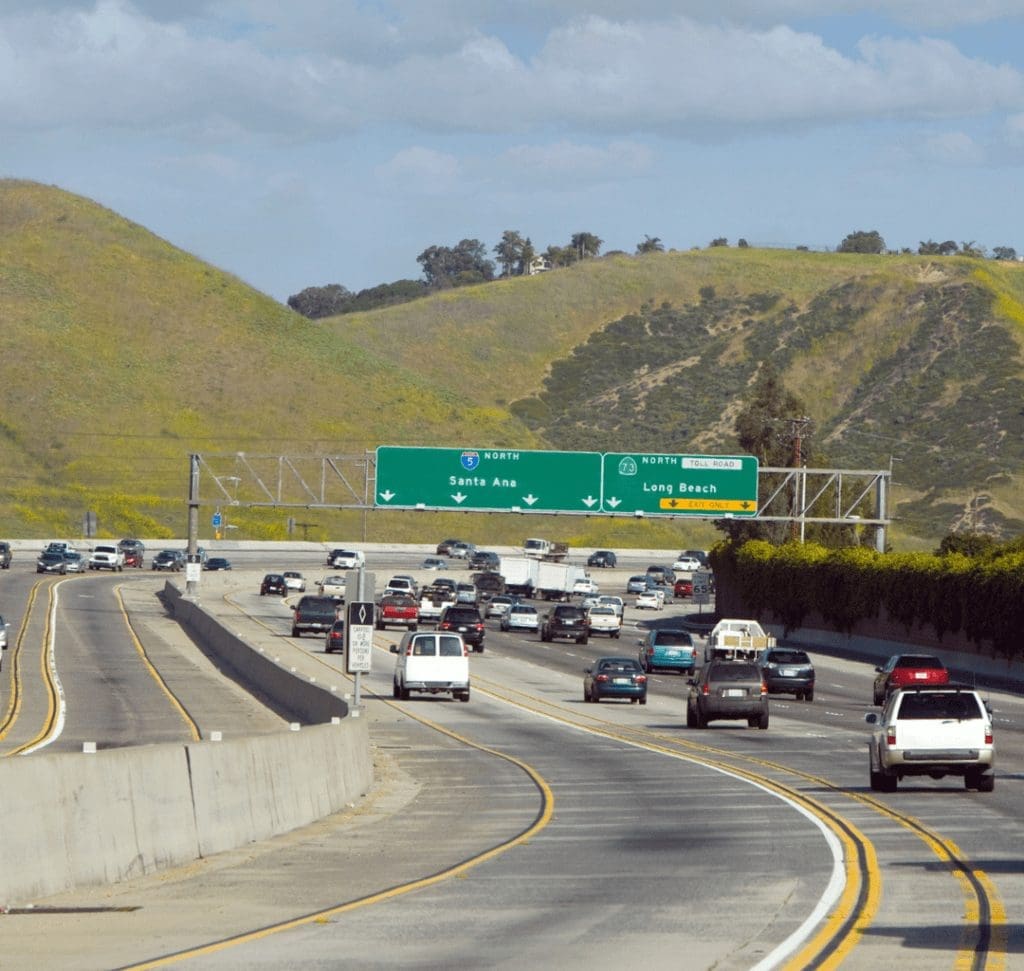
The state of California has reached the deadline set by the DOT to take action regarding the situation involving the number of non-domiciled CDLs issued in the state.
The state of California has reached the deadline set by the U.S. Department of Transportation (DOT) to take action regarding the situation involving the number of non-domiciled commercial driver’s licenses (CDLs) issued in the state and compliance with English-language proficiency requirements. The deadline to comply with the DOT’s directives expired on Monday, January 5, leaving California facing the possible loss of significant federal funding.
According to data from Overdrive, the losses could reach $160 million in funding. This amount and the compliance deadline were established following a prolonged dispute between California Governor Gavin Newsom and DOT Secretary Sean Duffy.

California vs. DOT: $160 million at stake
The dispute began on August 21, when Duffy gave California 30 days to respond, warning that failure to do so would result in the loss of $33 million in federal funds. On September 25, Governor Newsom responded, leading to an extension of the conflict.
On December 30, California again challenged the Department of Transportation by notifying 20,000 non-domiciled commercial driver’s license holders that it had extended the revocation deadline from January 5 to March 6, 2026. That same day, Secretary Duffy responded by reiterating that the definitive deadline was January 5, stating that California had no extension to continue violating the law or putting the lives of American drivers at risk.
California maintains that it already enforces the Federal Motor Carrier Safety Administration (FMCSA) regulations requiring commercial drivers to speak and read English. The state also highlights the critical role that non-domiciled CDL holders play in its economy. However, no concrete measures have been announced to address deficiencies in the process of issuing these licenses within California.
On several occasions, Secretary Duffy has stated that it is not his intention to cut funding to the state of California, but he has emphasized that if federal law is not followed, the previously established sanctions must be applied. While the situation had previously been discussed only in hypothetical terms, the arrival of the deadline changes the circumstances for both the DOT and California, which finds itself in a critical position.
Currently, the state of California has an approximate annual budget of $300 billion, which includes a $11 billion contingency fund for the maintenance of highways and facilities, as well as for the training of law enforcement personnel.
California defends its actions
The complications stem from the fact that California is the only state refusing to apply the ELP requirement on its roadways, despite existing federal regulations. The California DMV has repeatedly emphasized that non-domiciled CDL applicants have legal presence in the United States and hold work permits granted by the federal government, as confirmed by the Department of Homeland Security.
California also claims that its CDL holders are involved in fatal accidents at a rate significantly lower than the national average, and that drivers holding licenses issued in Texas have a fatal accident rate 50% higher.
So far, no official statements have confirmed whether the DOT has withdrawn the $160 million in federal funding. Nevertheless, the deadline clearly established that this would be a direct consequence of Governor Newsom’s actions. More detailed information on this ongoing conflict, one that appears far from over, is expected in the coming days.
Update, January 7, 2:39 p.m. PST.
Secretary Sean Duffy has posted the following video on his X account:
🚨It’s RECKONING DAY for Gavin Newsom 🚨
— Secretary Sean Duffy (@SecDuffy) January 7, 2026
Our demands to California were simple:
➡️ Follow the rules
➡️ Revoke the unlawfully-issued licenses to dangerous foreign drivers
➡️ Fix the system so this never happens again
Gavin refused. So now I am pulling nearly $160 MILLION from… pic.twitter.com/j2ckDLlRdI

DOT finds half of North Carolina CDLs were issued illegally
The DOT warns that half of North Carolina’s CDL licenses are irregular after a federal audit uncovered serious compliance failures. The findings directly affect truckers, fleets, and transportation companies, raising urgent questions about road safety, legal operations, and the future of the trucking industry.

California’s Unhealthy Air: Impacts on Trucking and Freight
Unhealthy Air Quality in California: What Repeated Pollution Alerts Mean for Trucking and Freight Operations

Global Road Freight on Track to Hit USD 5 Trillion by 2033
Global Road Freight on Track to Hit USD 5 Trillion by 2033 as e-commerce growth, supply chain restructuring, and technology adoption accelerate demand for road-based cargo transport worldwide.

California misses DOT deadline risking $160 million in federal funding
The state of California has reached the deadline set by the DOT to take action regarding the situation involving the number of non-domiciled CDLs issued

Health on Wheels: How to Prevent the Most Common Conditions on the Road
Health on wheels matters for anyone who spends long hours on the road. How to prevent the most common physical and mental conditions and maintain healthier routines while working behind the wheel.

More Roadside Controls in 2026: What Truckers Need to Know
The U.S. trucking industry will face More Roadside Controls in 2026, with tighter inspections, data-driven enforcement, and stricter oversight of hours of service, licensing, and vehicle maintenance—what truckers need to know to stay compliant.