Drive safely in extreme weather conditions, with these brief tips
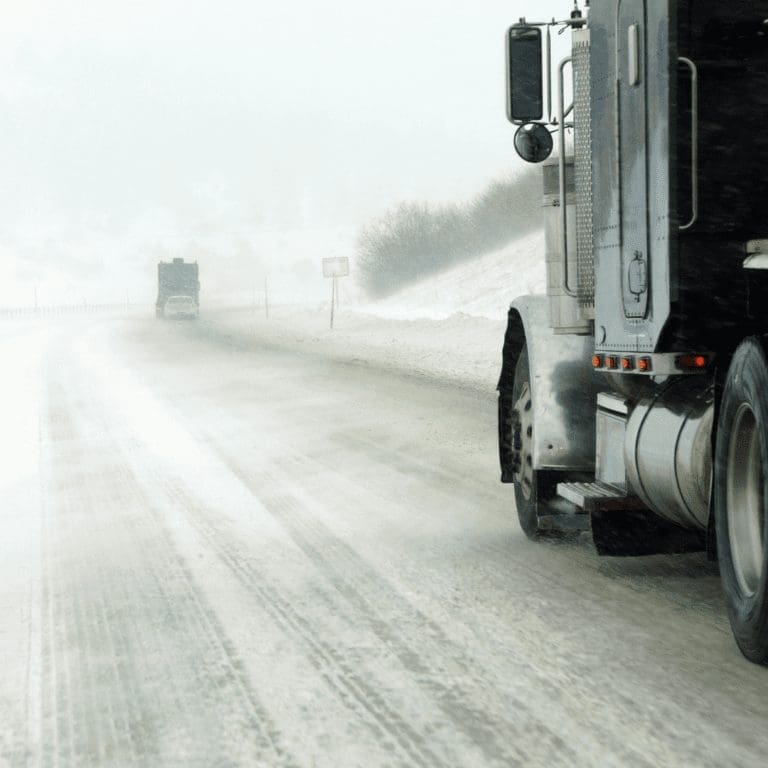
During winter, roads become hazardous. In states where snow and rain are abundant, it is necessary to drive with extra caution to avoid accidents. Even if you, as a truck driver, have the necessary experience to make good decisions and know when conditions are unsafe, your job becomes increasingly challenging when driving in adverse winter weather conditions.
Knowing some tips and strategies for driving safely during winter can be very useful for truck drivers. Driving in snowy and inclement weather conditions always poses a challenge, even for more experienced truckers. Below are some tips to help you stay safe.
Reduce Speed: One of the most common causes of accidents is driving at excessive speeds. Although speed limits are legally established, in situations where the road is covered with snow or ice, it’s best to slightly reduce speed, driving below the limit. Activate hazard lights for the benefit of other drivers.
Maintain a Safety Zone: Ensuring you keep enough space between your truck and other vehicles is essential. Maintain a good distance whenever possible; this not only provides safety for you but also for other drivers. In the event of a possible collision, you’ll avoid hitting more cars.
As an additional tip, when snow is dense and visibility is low, don’t follow the taillights of the vehicle in front of you too closely. If you can clearly see them, it means you’re too close.

Your Safety Comes First: If driving in bad weather makes you nervous, find a safe place to park and wait for the weather conditions to improve. Contact your dispatch and inform them of the situation; a nervous driver can be as dangerous as a careless one.
Similarly, never exceed the limits of your equipment. It’s one of the best ways to stay safe.
Inspect Your Truck Before and During the Trip: Turn the windshield heater to the maximum for a minute to help defrost in case ice starts forming. Regularly check your truck’s tires, especially when you’ve just hooked up to a trailer. Inspect your brakes to prevent potential accidents if you’re aware of their current condition. Finally, every time you stop after driving in snow, inspect the taillights and license plate; keep them clean.
Foolproof Tricks: Air tanks can freeze quickly; carry a hammer and a spatula. If you can’t stop at an auto service place, perform a check to ensure there’s no snow or ice buildup in your air tanks. If there is, use the hammer and spatula to remove it with the utmost care.
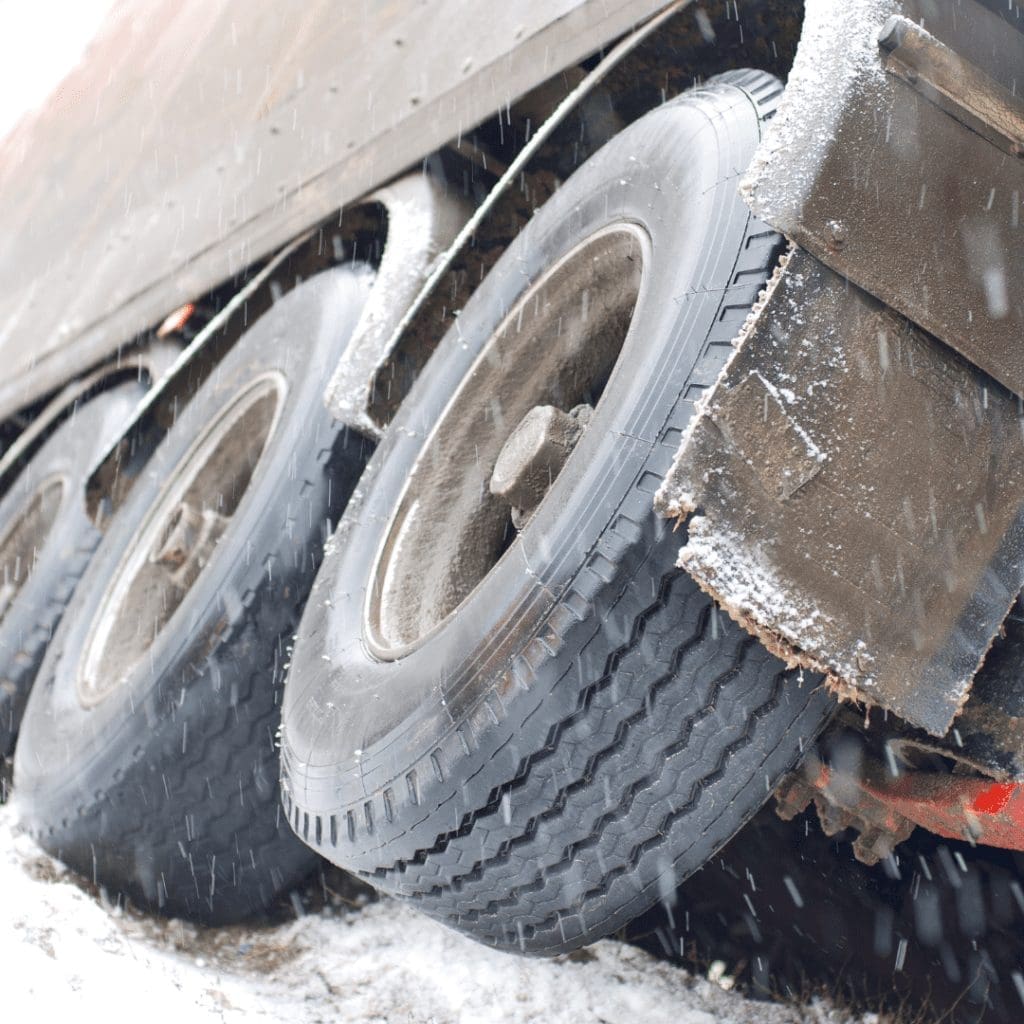
Hot tires have the potential to quickly turn the snow where you’ve parked into an ice surface. Applying cat litter under the tires is an effective and environmentally friendly way to gain that extra bit of traction needed to get moving.
Remember always to drive with the utmost caution, ensuring your safety and that of your loved ones. Protect yourself during this winter season with these brief tips, and stay informed about the road conditions you’ll be traveling through.

How Truck Drivers Can Protect Their Skin from UV Rays on the Road
Chronic exposure to UVA rays isn’t just about getting a tan—learn how to protect your skin from the sun’s rays while on the road.

Top Concerns of Fleet Managers in 2026
The J. J. Keller Center for Market Insights has completed its sixth annual study analyzing the key concerns facing fleet management.

How to survive inflation, the biggest challenge for a trucker’s finances
The latest statistics from the U.S. Department of Transportation reveal a challenging scenario, but one that’s not insurmountable. Everything is getting more expensive, including the intelligence of a good transporter.

Where Are Truck Drivers Most in Demand in the United States?
Texas, California, Florida, Illinois, and Georgia lead truck driver demand across the United States as the transportation industry faces a renewed shortage of professional drivers.

Oliver Tree & Gaspi: Tragedy That Highlights Air Traffic Logistics
The deaths of American musician Oliver Tree and Argentine content creator Gaspi in a helicopter collision over Rio de Janeiro have once again raised a critical question for the transportation industry: how to safely manage increasingly congested transportation networks, both in the air and on the ground.

How to Perform a Pre-Trip Inspection: A Guide for Truck Drivers
A pre-trip inspection is one of the most important procedures for any truck driver.