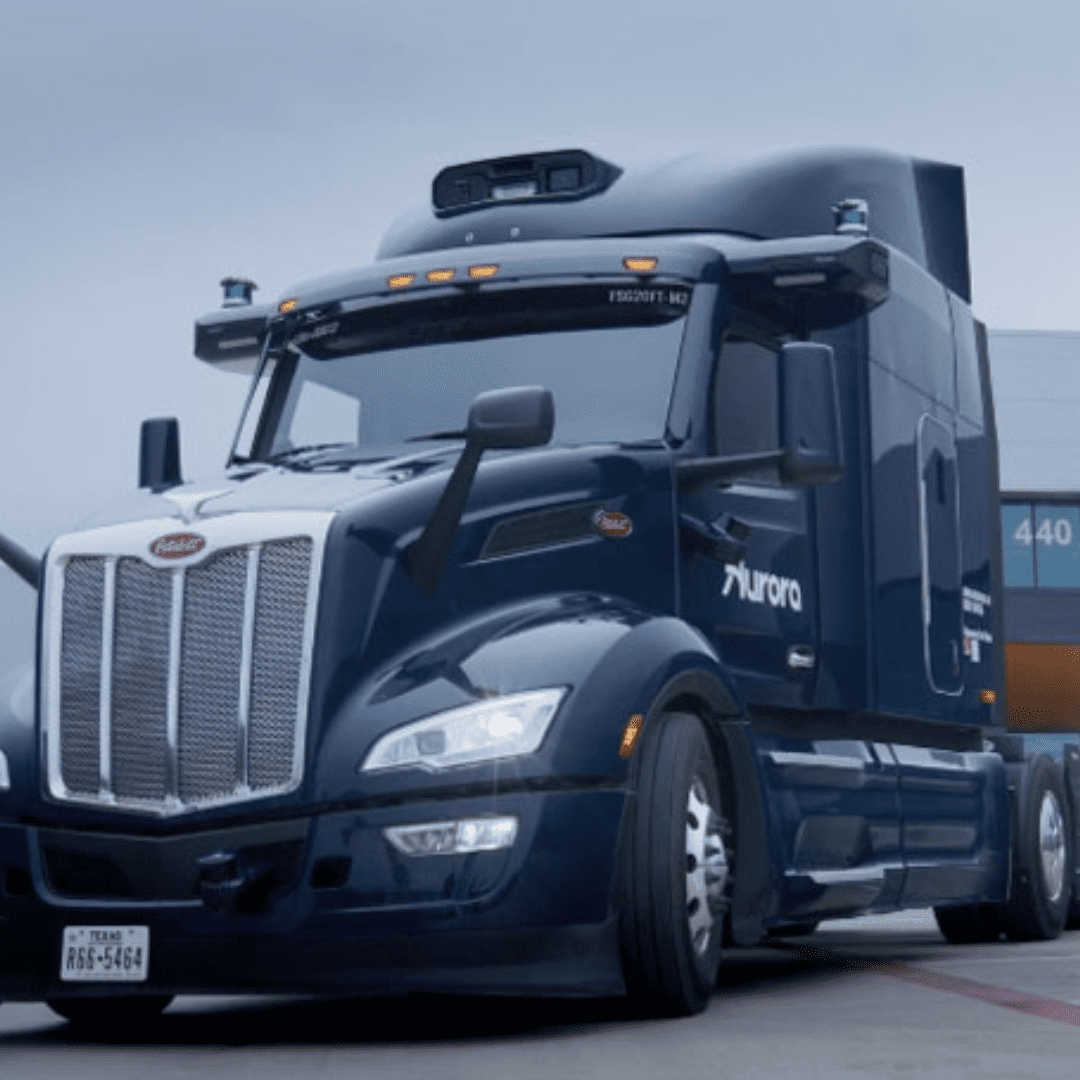
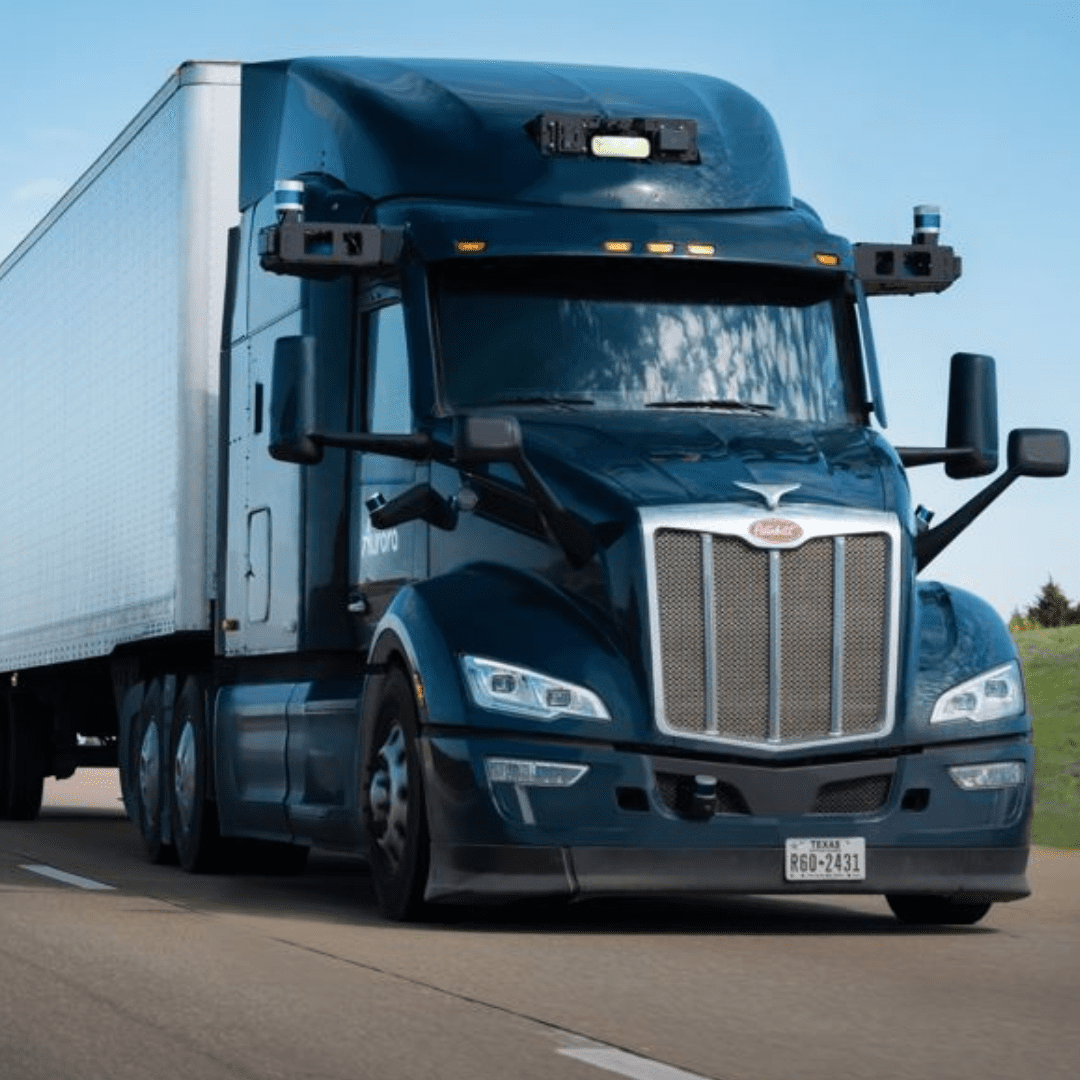
With plans to commence production in 2027, this partnership lays the foundation for the development of the world's first scalable autonomous transportation system.
Continental and Aurora Innovation, in an exclusive collaboration, have successfully concluded the initial phase of designing the Aurora Driver, a Level 4 autonomous driving system according to the SAE standard.
With plans to commence production in 2027, this partnership lays the foundation for the development of the world’s first scalable autonomous transportation system. In less than a year since the start of their collaboration, Continental and Aurora have completed the pre-project and design phase, marking a significant step towards large-scale manufacturing of autonomous transportation systems.
The collaboration leverages Continental’s expertise in automotive development and manufacturing to ensure that the Aurora Driver’s design meets the highest standards, providing value to customers over a million miles. This strategic partnership aims to enable Aurora to deploy autonomous trucks on a large scale after the initial driverless launch, scheduled for late 2024.
Aurora, through this alliance, emphasizes prioritizing safety, a critical aspect in autonomous vehicle development. Continental, with its outstanding engineering team, addresses the need for redundancies to develop an industrialized backup system. Scheduled for production in 2027, this system will offer additional safety by taking over operations in case of a failure in the primary system.

With a dual engineering approach, the goal is to minimize exposure to potential single points of failure, ensuring the reliable and safe operation of autonomous vehicles. Continental and Aurora have outlined a four-year plan for the commercialization of autonomous trucks. The pre-project and design phase, already completed, focused on defining the detailed system architecture, key requirements, and technical specifications.
In 2024-2025, the construction and testing phase will commence, with Continental leading the construction of the initial hardware versions. Rigorous testing will take place at the New Braunfels, Texas facilities, with global assessments.
The finalization phase is scheduled for 2026-2027, involving the start of production and integration. In this phase, Continental will take on the responsibility of industrializing and validating both the future hardware of the Aurora Driver and the backup system.
Once the phases are completed, the fully developed hardware will be sent to Aurora’s affiliated truck manufacturers for integration into ready-to-operate autonomous vehicles. Simultaneously, a maintenance network will be established, and a comprehensive service manual provided to address the evolving needs of Aurora’s customers during this critical phase.
According to the plans set by Aurora and Continental, thousands of trucks equipped with the Aurora Driver will be ready to autonomously transport goods throughout the United States by the year 2027.

$170 billion at stake: 1,500 companies demand tariff refunds
Companies have challenged the global tariffs imposed by President Donald Trump, asking federal courts to reactivate proceedings to begin the refund process. The companies that

In brief: enforcement measures target speeding, CDL training gaps and more
Major enforcement actions across the U.S., including speeding, CDL fraud, and chain violations Colorado launches Speed Enforcement Program The Colorado Department of Transportation (CDOT) has

Chinese Vehicles Raise Espionage and Remote Sabotage Concerns
Investigations into Chinese technology in connected vehicles warn of espionage risks, massive data transmission, and potential remote access vulnerabilities that concern U.S. transportation and security

Between the Court and the Fed: the market redefines its roadmap for 2026
Trade policy in limbo as markets price in 2026 rate cuts and Supreme Court strikes down Trump tariff plan. In the latest episode of the

New 10% U.S. import tariff takes effect amid legal and market uncertainty
The implementation of these new tariffs has generated global uncertainty among exporters, increasing confusion around U.S. trade policy. The United States has implemented a new

Military Trucks That Moved a Base in Syria
Convoys of advanced HEMTT and PLS military trucks carried armored vehicles, prefabricated base structures, mobile workshops and heavy equipment during the U.S. withdrawal from northeastern