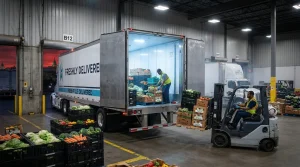
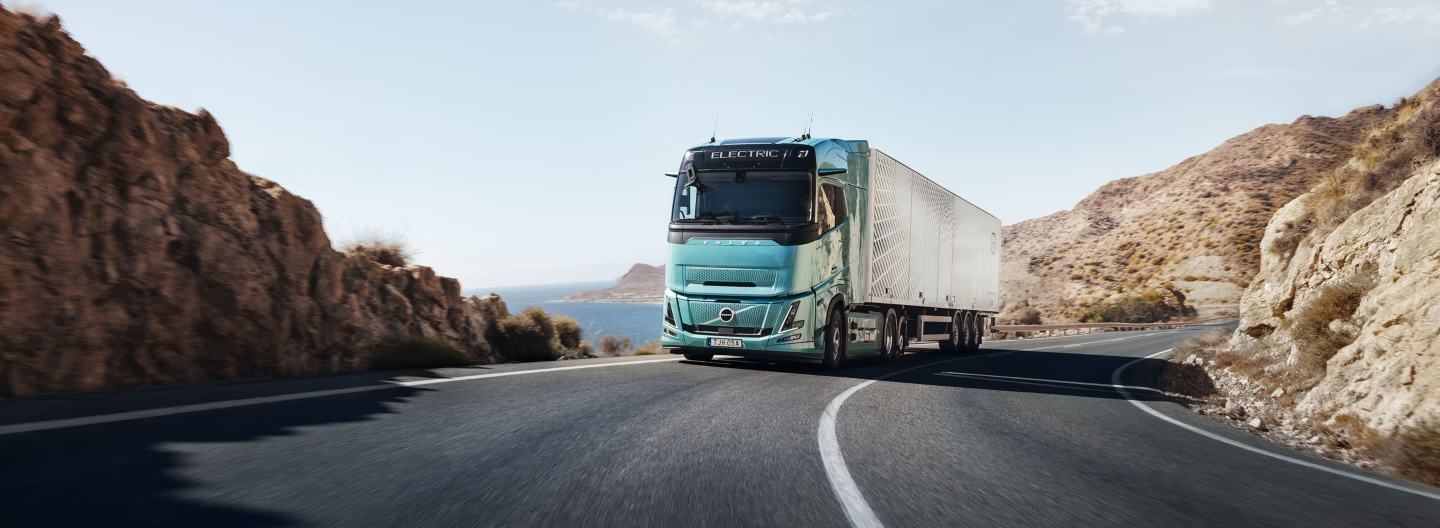
Secure your equipment, inventory and employees inside commercial vehicles
Several companies require commercial vehicle insurance, including contractors, real estate agents, and transportation services where driving for commercial purposes is part of daily operations. This essential coverage protects vehicles in the event of an accident and, with the right coverage, ensures equipment and inventory inside the vehicle are also secured.
Acquiring commercial coverage for company vehicles is mandatory by law in most states. This legal requirement emphasizes the importance of safeguarding vehicles used in business activities such as transporting goods, equipment, or passengers.
Commercial policies offer a variety of essential coverages, including collision coverage for accident damage, comprehensive coverage for non-collision accidents like theft, weather-related damage, vandalism, or fire, and liability coverage for injuries and damages caused by the business, among other options.
With proper coverage, commercial vehicle insurance can also extend protection to items transported inside the vehicle. Equipment, inventory, and cargo can benefit from this additional coverage, ensuring the integrity of business assets during transportation.
It is crucial to note that personal vehicle insurance typically excludes coverage for damages incurred while driving for commercial purposes. Therefore, having specific commercial vehicle insurance is essential to ensure comprehensive and adequate protection in the business realm.

There are various types of insurance policies designed to cover different aspects and situations related to commercial vehicles. The most common types are outlined below. It is important to note that the availability of options may vary depending on the insurer, so it is essential to contact specialized agents for comprehensive and personalized information.
1. Liability coverage: This policy helps pay for third-party injuries and property damage if your commercial vehicle is at fault in an accident. It also covers legal expenses associated with potential lawsuits.
2. Collision coverage: Essential for covering damages caused by accidents to company vehicles, providing protection when another vehicle collides with your car or truck.
3. Comprehensive coverage: This policy provides protection against non-collision incidents such as theft, weather-related damage, vandalism, or fire.
4. Medical expenses coverage: Pays for medical or funeral expenses related to injuries caused by an accident to the occupants of commercial vehicles, regardless of who is at fault.
How to determine if commercial vehicle insurance is needed:
Determining the need for commercial vehicle insurance depends on the type of business activities being conducted. Here are some guidelines to identify if it is necessary:
Delivery services: Companies involved in courier services, food delivery, and package delivery should have commercial vehicle insurance due to the nature of their operations.
Transportation and cargo services: Companies offering transportation services require commercial vehicle insurance to cover the risks associated with the movement of people and merchandise.
Construction and contracting: Companies in the construction industry, contractors, and tradespeople often use trucks, vans, or other vehicles to transport tools, equipment, and employees, requiring coverage.
Sales and service businesses: Businesses with sales representatives or service providers who travel extensively to meet with clients, often need commercial vehicle insurance for their vehicle fleet or employees using personal vehicles for work-related travel.
Assessing the nature and scope of business activities is crucial to determine the need for commercial vehicle insurance, ensuring comprehensive coverage for specific risks associated with the commercial use of vehicles.

World Laughter Day: Can laughter really make you healthier?
World Laughter Day is celebrated to promote joy, mental well-being, and connection among people through something as simple as laughing. Are the effects real?

Operation Safe Driver Week 2026 targets risky driving behaviors
Operation Safe Driver Week, organized by the CVSA, is a safe driving awareness and outreach initiative focused on drivers in the United States, Canada, and Mexico.

How Weather Is Reshaping Risk on U.S. Trucking Routes
Extreme events, emerging risk zones, and a growing impact on operations, costs, and insurance across the freight industry.

U.S. 250th anniversary celebrations take to the rails
Commemorative locomotives take the rails for United States’ 250th anniversary

In brief: rail crossing safety, California autonomous trucks, and CDL laws
From rail crossing safety to autonomous trucks and CDL laws, these are the key U.S. updates in transportation.

USDOT drives logistics hubs through the Regional Infrastructure Accelerators (RIA) program
USDOT strengthens its logistics hubs strategy through the Regional Infrastructure Accelerators (RIA) program, designed to unlock projects, enhance intermodal connectivity, and accelerate critical infrastructure for freight transportation across the United States.