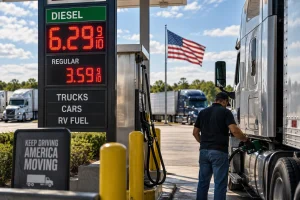
The FMCSA denounces unscrupulous towing companies that overcharge truckers in situations such as accidents.
The FMCSA has focused its attention on a proposed rule aimed at combating abusive fees charged to consumers. The proposal, put forth by the Federal Trade Commission (FTC) last year, seeks to enable the agency to pursue civil penalties against scammers and facilitate compensation for affected consumers.
The FMCSA intervened in the proposal by denouncing unscrupulous towing companies that overcharge truckers in situations such as accidents. Sue Lawless, Acting Deputy Administrator of the FMCSA, stated that abusive towing harms consumers and the trucking industry, emphasizing the need to end these unfair practices.
In her comments submitted to the FTC, Lawless highlighted various potentially unfair billing practices used by predatory towing companies, which can amount to thousands of dollars in unjust fees. She underscored the vulnerability of truck operators to exploitation, noting that abusive towing companies leverage vehicle possession to pressurize and overcharge, exploiting the inability of drivers to defend themselves.

The American Transportation Research Institute (ATRI), in a report published in November, found that disproportionate fees and unjustified additional costs were the two most common forms of abusive towing experienced by the majority of surveyed carriers. Specifically, 82.7% reported facing excessive fees, while 81.8% mentioned unjustified charges for additional services. Moreover, about 29.8% of invoices included excessive fees or charges, evenly split between excessive fees related to equipment, labor, or storage, and excessive miscellaneous or administrative charges.
The FMCSA urged the FTC to focus on consumers with limited ability to avoid, negotiate, reject, anticipate, or limit the number or cost of fees. This includes those who are vulnerable, facing hardships, or otherwise constrained in their choices due to their circumstances. This is another step taken to combat the continued problem of predatory towing practices in the industry.
The agency proposed that each illegal fee be treated as a separate violation in the final regulation. It also suggested explicitly prohibiting companies from charging fees that are not properly disclosed, included in the total price, or fully calculable in advance. Additionally, the FMCSA requested guidance from the FTC on how the proposed regulation would affect state and local laws governing towing fees, considering that truck drivers often operate across multiple states.
Addressing abusive towing practices is crucial for safeguarding consumers and maintaining integrity within the trucking industry. By implementing measures to ensure transparency, fairness, and accountability in towing operations, the industry can strive towards a more equitable and efficient transportation landscape. It’s imperative that regulatory bodies, industry stakeholders, and policymakers continue to work together to protect the rights and interests of both truckers and consumers, ultimately fostering a safer and more just environment for all involved.

Fatigue Monitoring 2025: New Federal Changes Ahead
Federal agencies are reassessing fatigue monitoring technologies and HOS standards, signaling potential regulatory changes for the trucking industry.

A guide to “angry eyes” rules every driver should know
The recent wave of traffic stops in Wisconsin and California for trucks using green LED “angry eyes” lights has reignited a national debate: what modifications are allowed, and which ones are strictly prohibited, under U.S. trucking regulations? This angry eyes crackdown highlights a growing issue in the industry—confusion about what is actually legal on the road.

Truck drivers are at high risk of developing diabetes
About 11% of the adult population meets the criteria for prediabetes, and there is a particular group at high risk: truck drivers. Diabetes rates in

Starting in trucking: required permits, registrations, and compliance
Are you a new carrier? This is what you need to know about permits, registration, and compliance. The trucking industry can be quite challenging for

Alberta Clipper Brings an Early Polar Blast: A Critical Alert for Drivers
The Alberta Clipper is sweeping across the country with fast-moving Arctic air, sharp temperature drops, and dangerous road conditions that demand heightened attention from all professional drivers.

American manufacturers trigger truck “dumping” investigation
Foreign trailer manufacturers under investigation for alleged “dumping” in the U.S. The U.S. truck market is at the center of a trade dispute. After domestic