The authorization allows Waymo to deploy and charge for autonomous taxi rides in Los Angeles for the first time.
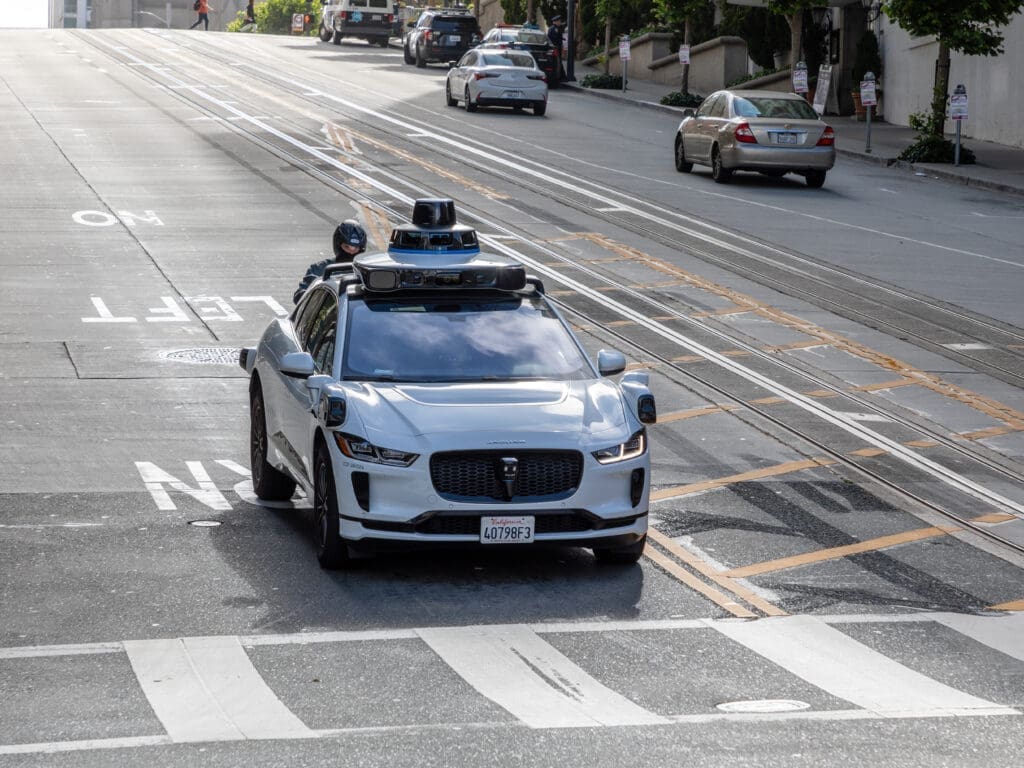
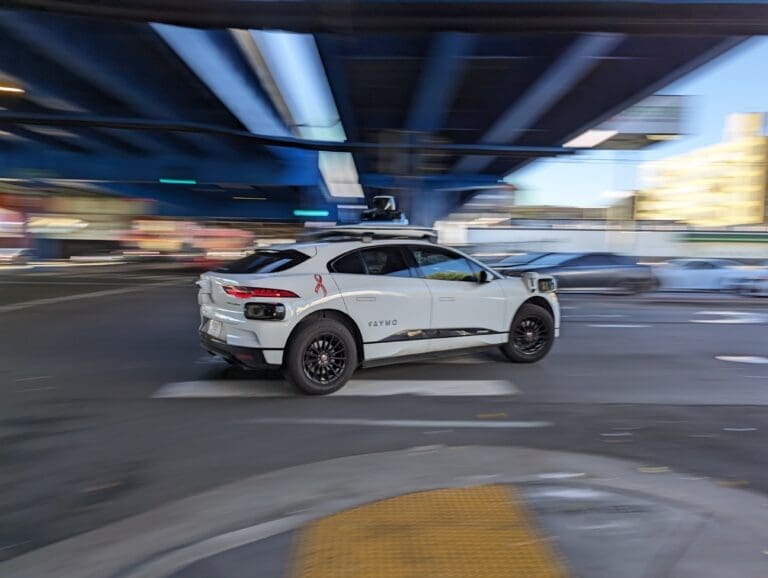
On March 1st, the California Public Utilities Commission authorized Waymo, a subsidiary of Alphabet Inc., to expand its robotaxi services to Los Angeles and cities in the peninsula south of San Francisco. The authorization allows Waymo to deploy and charge for autonomous taxi rides in new areas of the peninsula and in Los Angeles for the first time, according to a letter sent by the commission to Waymo.
The decision came months after Waymo began offering rides in fully autonomous vehicles to its employees in San Francisco. Previously, the company had successfully operated a driverless service for the public in the suburbs of Phoenix, Arizona. While Waymo vehicles became common on the streets of San Francisco, reports of sudden stops affecting city traffic emerged.
Prior to this, California authorities had revoked the license of Cruise, a rival robotaxi service owned by General Motors, after determining that its autonomous vehicles operating in San Francisco posed a danger. As a result, Waymo initiated a testing process in Los Angeles over the past year, during which it marketed the service and transported passengers anonymously through invitations, as part of safety testing.

Security and robotaxis
The authorization in Los Angeles and San Mateo expands Waymo’s access to over 4,500 square miles for its operations, compared to just 47 square miles in San Francisco and 517 square miles in Phoenix. However, local authorities expressed opposition and sought to have greater influence over decisions regarding Waymo’s robotaxi operations. Additionally, local leaders voiced concerns about public safety following an incident during a robotaxi test in Los Angeles when the vehicle failed to obey traffic signals.
Janice Hahn, supervisor of Los Angeles County, criticized the California Public Utilities Commission’s approval, labeling it a “dangerous decision.“ She expressed concern about the lack of testing of these robotaxis and argued that Los Angeles residents should not be guinea pigs for technology companies. According to the LA Times, Hahn emphasized that such decisions should involve and be agreed upon by local authorities.
The Los Angeles Department of Transportation also argued for the need for stricter regulations for automated vehicles before their deployment, as well as the standardization of disengagement protocols. However, currently, local jurisdictions have no say in the commercial deployment of autonomous vehicles.

Texas: What Happened to the USPS Driver Found Dead Inside His Mail Truck?
OSHA is investigating the death USPS driver who was found unconscious during an extreme heat event in Texas.

Freedom Haulers: How Veterans Can Get CDL and Start a Trucking Career
The Trump Administration’s new Freedom Haulers initiative connects military veterans with commercial trucking jobs through paid CDL training, GI Bill education benefits, military driving waivers, and direct access to employers.

More Tariffs? New U.S. Trade Measures Target 60 Countries
President Donald Trump is set to launch a new round of double-digit tariffs on imports from 60 countries.

New Bill Would Make Staged Commercial Truck Accidents a Federal Crime
Florida Senator Ashley Moody pushes federal crackdown on staged truck accidents.

How Much Does It Cost to Maintain a Truck Each Year?
How much does it really cost to run a commercial truck? Fuel, tires, maintenance, insurance, and repairs make a commercial truck one of the most expensive tools.

Snowbound: Truckers Stranded on One of the World’s Toughest Roads
More than 600 truck drivers are waiting in the Andes for the reopening of the corridor linking the Atlantic and Pacific oceans—one of the most challenging mountain routes on Earth.