The authorization allows Waymo to deploy and charge for autonomous taxi rides in Los Angeles for the first time.
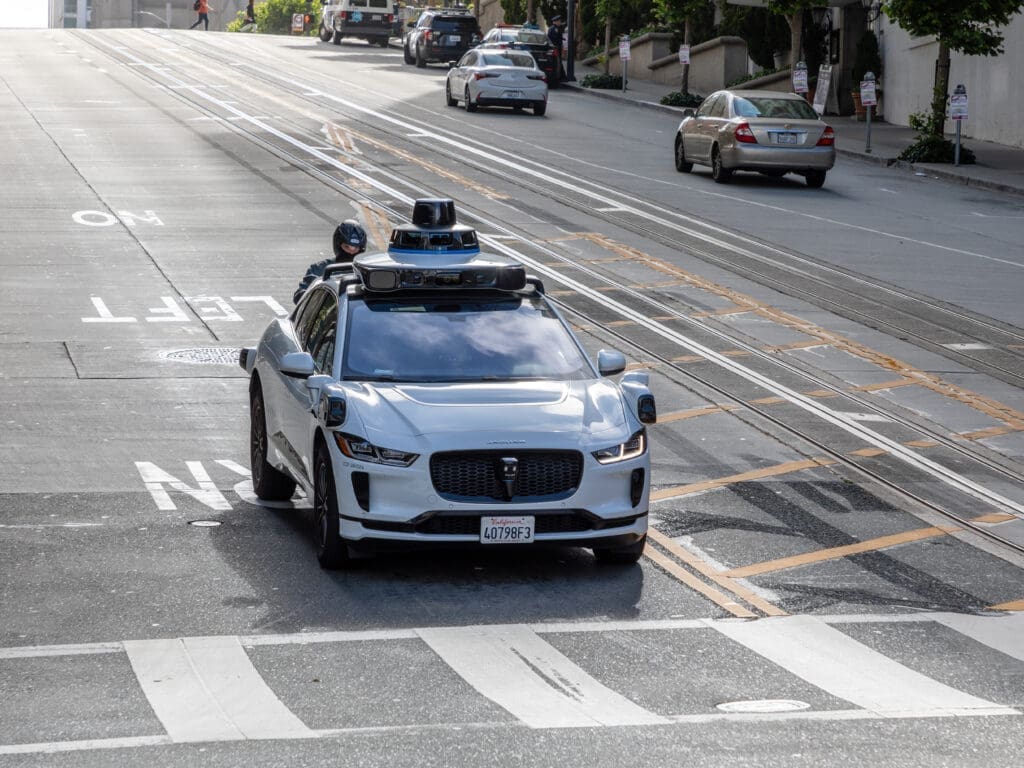
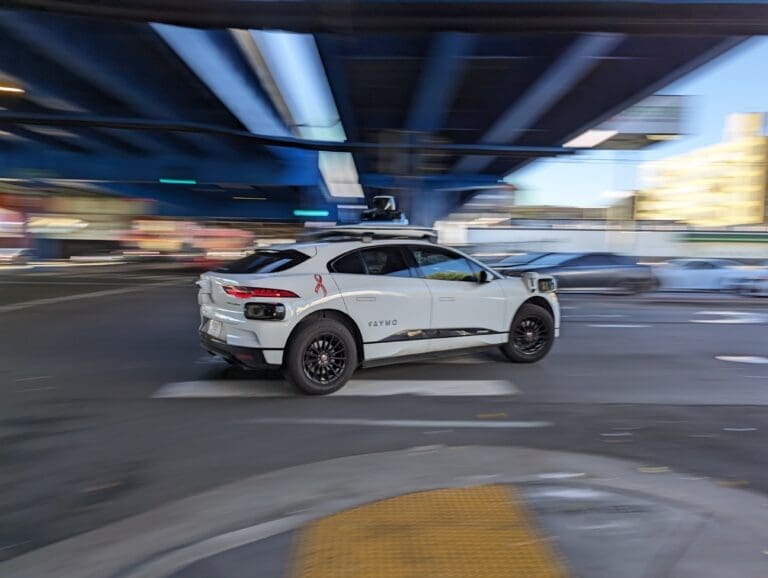
On March 1st, the California Public Utilities Commission authorized Waymo, a subsidiary of Alphabet Inc., to expand its robotaxi services to Los Angeles and cities in the peninsula south of San Francisco. The authorization allows Waymo to deploy and charge for autonomous taxi rides in new areas of the peninsula and in Los Angeles for the first time, according to a letter sent by the commission to Waymo.
The decision came months after Waymo began offering rides in fully autonomous vehicles to its employees in San Francisco. Previously, the company had successfully operated a driverless service for the public in the suburbs of Phoenix, Arizona. While Waymo vehicles became common on the streets of San Francisco, reports of sudden stops affecting city traffic emerged.
Prior to this, California authorities had revoked the license of Cruise, a rival robotaxi service owned by General Motors, after determining that its autonomous vehicles operating in San Francisco posed a danger. As a result, Waymo initiated a testing process in Los Angeles over the past year, during which it marketed the service and transported passengers anonymously through invitations, as part of safety testing.

Security and robotaxis
The authorization in Los Angeles and San Mateo expands Waymo’s access to over 4,500 square miles for its operations, compared to just 47 square miles in San Francisco and 517 square miles in Phoenix. However, local authorities expressed opposition and sought to have greater influence over decisions regarding Waymo’s robotaxi operations. Additionally, local leaders voiced concerns about public safety following an incident during a robotaxi test in Los Angeles when the vehicle failed to obey traffic signals.
Janice Hahn, supervisor of Los Angeles County, criticized the California Public Utilities Commission’s approval, labeling it a “dangerous decision.“ She expressed concern about the lack of testing of these robotaxis and argued that Los Angeles residents should not be guinea pigs for technology companies. According to the LA Times, Hahn emphasized that such decisions should involve and be agreed upon by local authorities.
The Los Angeles Department of Transportation also argued for the need for stricter regulations for automated vehicles before their deployment, as well as the standardization of disengagement protocols. However, currently, local jurisdictions have no say in the commercial deployment of autonomous vehicles.

Lawmakers push to raise minimum truck insurance compensation to $5 million
The “Fair Compensation for Truck Crash Victims Act” seeks to increase insurance requirements for interstate motor carriers.

The Invisible Ecosystem Behind Autonomous Trucks
While everyone focuses on driverless trucks, the real business lies in the infrastructure that makes them possible. That’s where smart money is flowing.

World Cup 2026: A Logistics Challenge for Fans and Freight in the U.S.
The 2026 FIFA World Cup will not only move millions of fans—it will also push the U.S. freight transportation system to its limits.

Fuel tax cuts gain momentum across U.S. states
In response to recent increases in fuel prices, lawmakers in several states have been working to adopt measures that temporarily suspend fuel taxes.

Maintenance practices commonly overlooked in fleets
These overlooked maintenance tasks can cost a fleet an average of $12,000 to $18,000 per truck annually.

U.S. Economy 2026: Accelerating vs. Stalling Sectors
Technology, renewable energy and domestic tourism drove production during the first quarter of the year. The residential real estate, agriculture and textile sectors lagged behind. What happened to transportation? Special report.