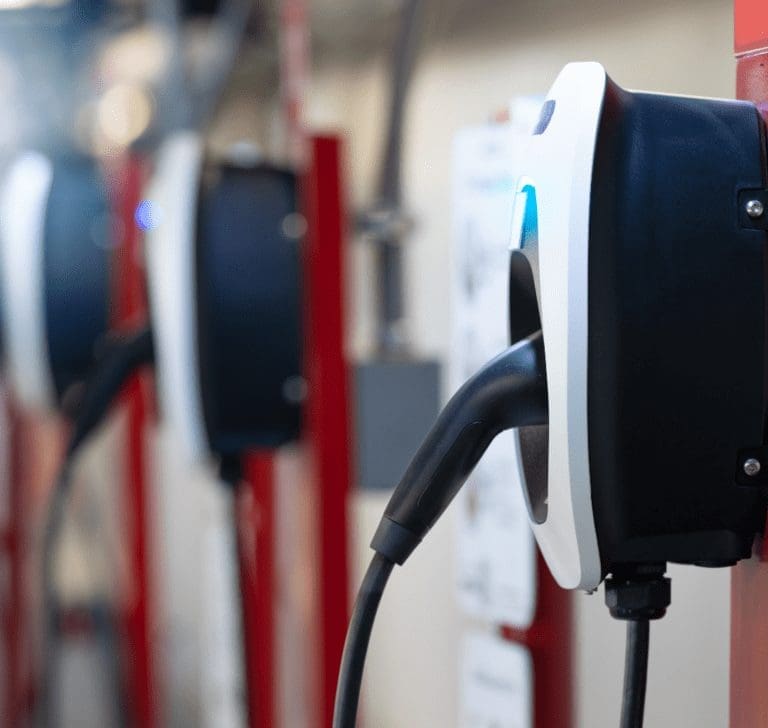
The study estimates charging infrastructure costs for fleets at an average of $145,000 per heavy-duty vehicle
According to a study commissioned by the Clean Freight Coalition (CFC), electrifying the entire fleet of commercial trucks in the United States could cost nearly a trillion dollars. The study breaks down the initial costs for the commercial and highway transportation sectors, totaling $620 billion to build a charging infrastructure capable of electrifying all medium and heavy-duty vehicles.
Heavy-duty vehicles face more challenges than medium-duty ones in their electrification due to economic and operational limitations. The study estimates charging infrastructure costs for fleets at an average of $145,000 per heavy-duty vehicle and $54,000 per medium-duty truck. Additionally, electric companies would need to invest $370 billion in upgrades and new constructions of the electrical grid. This doesn’t account for other nearly zero-emission alternative fuels, such as eco-friendly hydrogen and biofuels.
Electricity system operators anticipate significant expansion in generation and capacity to fulfill the requirements of electricity generation and transmission. This projected expansion, propelled by factors independent of the anticipated demand for charging heavy and medium-duty trucks, is projected to surge charging demand by a factor of ten.

Toward zero emissions in freight transport industry
Last week, federal agencies launched the National Strategy for Zero-Emission Freight Corridors, a plan aimed at guiding the development of charging infrastructure and hydrogen supply for medium and heavy-duty vehicles until 2040, with the goal of facilitating the transition to zero-emission vehicles nationwide.
Furthermore, major U.S. truck manufacturers have committed to selling zero-emission vehicles by 2040 and becoming carbon-neutral by 2050. However, Wilfried Aulbur, a senior partner at Roland Berger, noted that this is more feasible for medium-duty vehicles in the next 10 to 15 years, as Class 8 vehicles pose a greater challenge to decarbonize the supply chain. He emphasized the need for fleets to recoup their investment.
Chris Spear, CEO of the American Trucking Associations, pointed out that an electric Class 8 truck can cost three times as much as a diesel one. Hence, a phased approach to electrification for cargo vehicles is necessary, starting with lighter segments and progressing to heavier ones.
Flexibility in decarbonization options is crucial due to significant required investments. Additionally, fleets must explore alternative management strategies to maximize long-term value. Lack of government support could raise freight rates, impacting consumers. Achieving this requires technological and regulatory solutions to facilitate charging and industry collaboration to align interests.

Jerome Powell under investigation as tensions between Trump and the Fed escalate
The investigation into Powell has raised global concerns over a potential threat to the independence of the U.S. central bank. In the new episode of

Road Alert: 25 States Under Extreme Driving Conditions
Snow, ice, strong winds, and low visibility are keeping major highways under active travel advisories. The alert now affects 25 states and calls for extra caution, especially among truck drivers and freight carriers operating along key corridors.

Human Trafficking: A Nationwide Call to Action on America’s Roads
Human trafficking is the focus of a nationwide awareness week aimed at educating truck drivers, motor carriers, law enforcement, and the public about human trafficking, how to spot the warning signs, and what to do if someone may be in danger.

TAA Compliance: When Safety Complaints Turn Into Six-Figure Losses
STAA compliance is no longer a technical detail for fleet owners—it is a financial, legal, and insurance exposure. A recent enforcement action in Texas shows how mishandling safety complaints can lead to termination claims, retaliation findings, and six-figure penalties, and what carriers must do to avoid becoming the next case

U.S. labor market raises red flags on Wall Street
The U.S. labor market closed 2025 with clear signs of weakening, as evidenced by the latest employment data released in December. In the latest episode

DOT finds half of North Carolina CDLs were issued illegally
The DOT warns that half of North Carolina’s CDL licenses are irregular after a federal audit uncovered serious compliance failures. The findings directly affect truckers, fleets, and transportation companies, raising urgent questions about road safety, legal operations, and the future of the trucking industry.