Llame al (888) 572-7520 para hablar con un agente

President Donald Trump signed an executive order directing his administration to reclassify cannabis into a less restrictive federal category, could this affect the trucking industry?

President Donald Trump signed an executive order on December 18 directing his administration to reclassify cannabis into a less restrictive federal category. This change, according to transportation stakeholders such as the American Trucking Associations (ATA), could completely alter the legal and commercial landscape of cannabis transportation in the United States, with potential implications for safety within the transportation industry.

The reclassification order instructs the Department of Justice to begin the necessary procedures to place cannabis in Schedule III, a category reserved for drugs with accepted medical uses and a lower potential for abuse. Cannabis is currently classified under Schedule I, the most restrictive category.

According to individuals familiar with the matter, President Trump discussed the plans with Secretary of Health and Human Services Robert F. Kennedy Jr., Centers for Medicare and Medicaid Services Administrator Mehmet Oz, and leaders of the cannabis industry before making the decision.

Reclasificación del cannabis podría afectar a la industria del transporte, ATA advierte
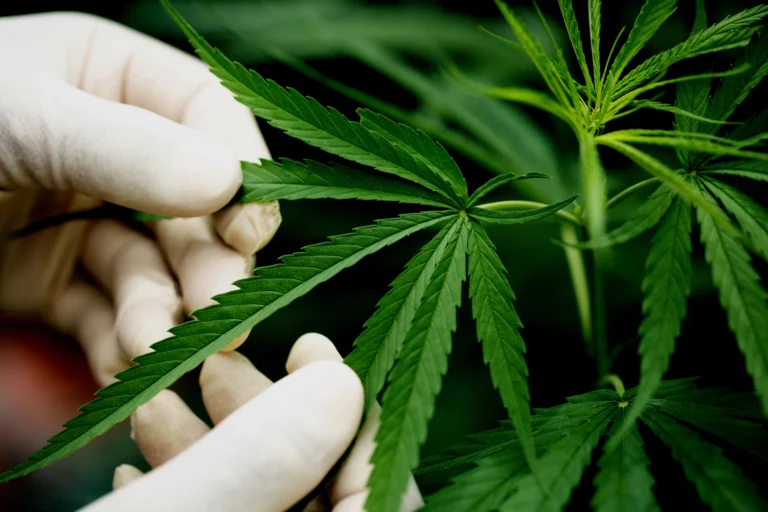
Image: Jcomp, via freepik.com

Cannabis reclassification: how will this move affect the transportation industry?

The ATA stated that while it does not hold an official position on the legalization or deregulation of marijuana, its concerns focus on the potential safety risks that reclassification could pose to the trucking industry. ATA Vice President of Safety Policy Brenna Lyles said: “A safe driver is a qualified driver. And a qualified driver does not use drugs or alcohol. Motor carriers must have reliable, enforceable tools to ensure they are not putting unqualified drivers behind the wheel.”

The president’s decision represents a major victory for the cannabis industry, paving the way for expanded clinical research and for cannabis-based medications reviewed by the Food and Drug Administration, which would ease the commercialization of medical marijuana products and could attract large pharmaceutical companies to the sector.

However, the ATA warns that loosening testing restrictions for drivers could have negative consequences. Without clear measures to ensure the integrity of the Department of Transportation’s (DOT) drug and alcohol testing program, a federal policy change of this magnitude could have serious consequences for road safety and the integrity of the national transportation network.

“This risk is compounded by the fact that there is currently no proven and widely accepted standard to determine marijuana impairment on the roadway or before a driver begins operating a vehicle, making it much more difficult to prevent impaired driving,” Lyles said.

According to data shared by the ATA, marijuana accounts for nearly 60% of all positive drug test results among commercial drivers subject to DOT testing requirements. As a result, reclassification could lead to an increase in this percentage, putting roadway safety at risk.

Trump’s executive order directs agencies to resume a formal rulemaking process, led by the Drug Enforcement Administration and the Department of Health and Human Services, which has been on hold since January.

For its part, the ATA urged the Department of Transportation to proactively coordinate with the Department of Health and Human Services, the Department of Justice, and Congress to ensure that any changes to federal policy maintain a comprehensive approach to safety and preserve the authority, tools, and technical capacity needed to keep impaired or unqualified drivers off the nation’s roads.

Facebook
Twitter
LinkedIn
WhatsApp
Cargo Theft

ATA Calls for Tougher Penalties Against Cargo Theft

Cargo theft has moved from being an industry nuisance to a national concern. The American Trucking Associations (ATA) warned Congress that the crime is draining billions from the U.S. supply chain, disrupting logistics operations, endangering drivers, and increasingly intersecting with organized crime and national security threats—prompting renewed calls for stronger federal penalties and coordinated enforcement.

Read More »

Leave a Reply

Your email address will not be published. Required fields are marked *

Business hours: Monday to Friday from 8:00 AM to 5:00 PM. California time
Leave your number and a member of our company will contact you
Horario de atención: Lunes a viernes de 8.00 AM a 5.00 PM. Hora california

Deje su número y un miembro de nuestra empresa se pondrá en contacto con usted

Privacy summary

This website uses cookies so that we can offer you the best possible user experience. Cookie information is stored in your browser and performs functions such as recognizing you when you return to our website or helping our team understand which sections of the website you find most interesting and useful.

More information about the privacy policy: Privacy Policy

More information about the terms of use: Terms of use 

More information about the disclaimer: Disclaimer 

More information on acceptable use policies: Acceptable Use Policies