Christmas is the time of year with the highest risk of cargo theft, driven by increased commercial activity, tighter delivery schedules, and more nighttime transport. Highways, logistics hubs, and fuel stops become sensitive points for the sector, while organized groups intensify their operations to take advantage of the higher value and volume of goods in transit.
Christmas marks the peak season for freight transport. From late November through the end of December, logistics activity intensifies due to e-commerce demand, year-end promotions, and increased household consumption. However, this surge brings a challenge that has become increasingly worrying for carriers and logistics operators: cargo theft. The combination of high-value goods, heavier transport flows, and pressure to meet urgent delivery times makes December the most critical month for cargo security on the road.
The pattern is familiar: more trucks on highways, more valuable freight in circulation, and more nighttime driving. For organized crime groups dedicated to cargo theft, this environment offers opportunity. These groups do not act randomly. They plan routes, monitor trucks, select targets, and execute operations with coordination. Cargo theft has become a professionalized crime, with networks that understand the weak points in logistics operations.
The Most Targeted Goods During the Holiday Season
Insurance companies and transportation associations consistently report that thefts during December concentrate on high-value, high-demand goods that are easy to resell. Among the most targeted categories:
Electronics (mobile phones, televisions, game consoles, laptops)
Premium alcoholic beverages (whisky, wine, champagne)
Perfumes and cosmetics
Seasonal toys and gift items
High-end food products and holiday hampers
These items are compact, easy to store, and can be quickly placed on informal resale markets without complex distribution channels.

Where and How Cargo Thefts Occur
Theft does not happen only on open highways. Common hotspots include:
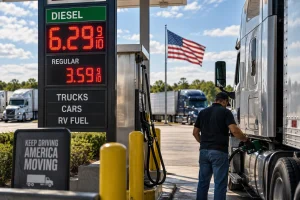
Fuel stations with low lighting or no active surveillance
Informal rest stops along long-distance corridors
Port access roads and urban approach routes where traffic naturally slows vehicles
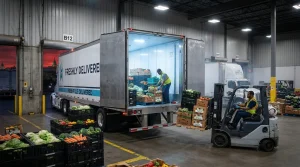
Distribution centers during shift changes or overnight hours
Another factor in December is the increased use of temporary or seasonal drivers. While essential to meet peak demand, these drivers may lack training in security protocols, increasing vulnerability during key operational moments.
There is also a growing trend in digital interception. Theft rings are increasingly capable of:
Blocking or spoofing GPS tracking signals
Tracking routes using publicly available logistics data
Forging pick-up and delivery documentation to impersonate authorized personnel
Cargo theft has evolved into a systematic criminal ecosystem, not merely isolated incidents.
Why Christmas Is Riskier Than the Rest of the Year
Three structural conditions converge:
Urgency: Companies accelerate schedules and accept higher logistical risks to meet deadlines.
Volume: More freight on the move means more detectable opportunities.
Driver fatigue: Longer hours and night driving reduce alertness and decision-making capacity.
A tired driver, a dark highway, and delivery pressure form a predictable risk pattern.
Key Measures to Reduce Risk
Even small operational changes can significantly improve security:
Use pre-planned safe routes and avoid known high-risk zones.
Establish strict stopping protocols—no unscheduled stops at isolated fuel stations or rest areas.
Maintain real-time GPS monitoring with alerts for unauthorized stops or route deviations.
Ensure rest scheduling, especially to reduce night driving.
Provide mandatory security training for seasonal or temporary drivers.
Conduct internal checks to prevent information leaks that could feed criminal networks.
Preparation is more effective than reaction. The objective is to anticipate risk, not just respond to it.
For the freight and logistics industry, Christmas brings enormous commercial opportunities—but also heightened exposure. Strengthening cargo security is not only a matter of technology or policing. It requires strategic planning, trained personnel, consistent internal protocols, and a culture of prevention. Protecting the cargo means protecting workers, transport companies, and the broader supply chain. During the holiday peak, safety must be treated as a central, non-negotiable component of operations.
Truck driver: stop choosing the worst route

Amulets, faith, and fortune: how truck drivers seek protection around the world
From saints to herbs, truck drivers carry amulets on every trip that, according to their beliefs, protect them in the harsh life of road transport.

Is It Worth Being a Truck Driver in the U.S. in 2026?
Becoming a truck driver in the United States means access to competitive pay and strong labor demand, but it also requires accepting time away from family, physical strain, and a lifestyle that isn’t for everyone.

Operation SafeDrive: Nearly 2,000 Truckers and Vehicles Taken Out of Service in Three Days
Operation SafeDRIVE triggered thousands of inspections across 26 states and Washington, D.C., leading to disqualified drivers, sidelined equipment, and arrests while reinforcing a stricter enforcement environment for the trucking industry.

Super Bowl LX: The Logistics Behind the Patriots–Seahawks Showdown
Super Bowl LX, featuring the New England Patriots and the Seattle Seahawks, is far more than the NFL’s championship game. It involves one of the most complex logistics operations in the world, with hundreds of trucks, ultra-precise technical production, layered security controls, and an industrial-scale deployment that turns Levi’s Stadium into a temporary city for 72 hours.

Job cuts surge in January, weighing on transportation
January saw one of the largest waves of job cuts since 2009 across multiple sectors in the United States. January saw one of the largest

Federal Reserve: rates remain unchanged with caution amid a solid economy
The United States Federal Reserve decided to keep interest rates unchanged, in line with market expectations. In the latest episode of the Mercado Sobre Ruedas