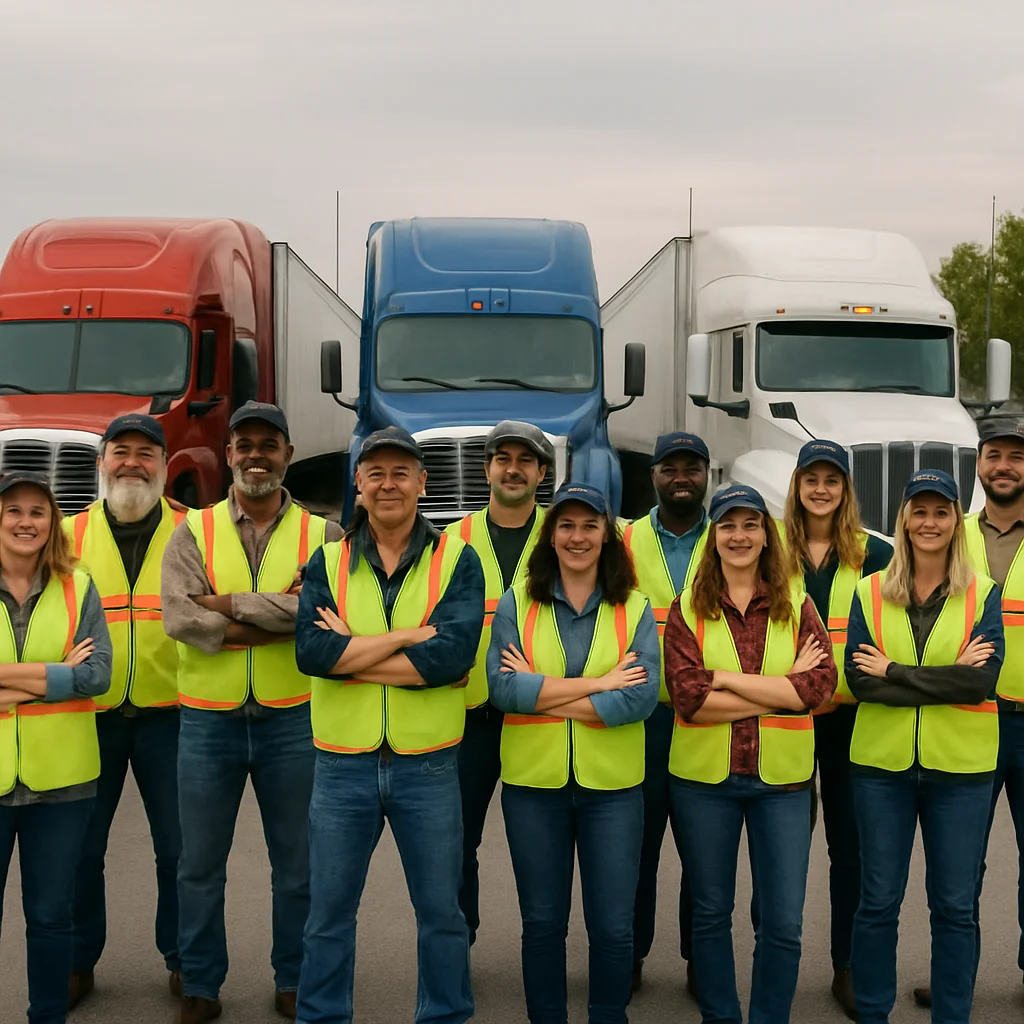
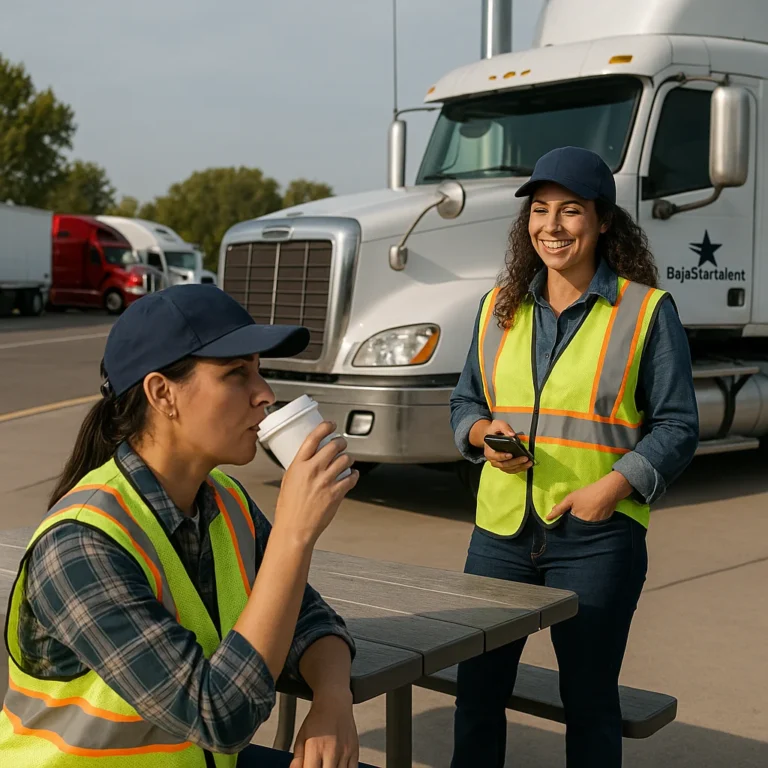
The ongoing driver shortage is pushing wages, benefits, and job conditions upward—creating new opportunities for growth and independence, especially for women entering the transportation industry.
The U.S. trucking job market is undergoing a positive transformation. While the driver shortage remains a challenge, it’s also fueling encouraging changes: higher pay, better benefits, and more flexible hiring conditions—especially for those seeking to enter or professionalize in this essential sector of the economy.
Rising Pay and Benefits
According to data from FleetOwner and FindItParts, average per-mile rates in 2025 are up 8–12% compared to the same period last year. Major fleets are offering signing bonuses, expanded health insurance, and more adaptable schedules to stay competitive and attract talent in a tightening labor market.
More Women Behind the Wheel
Though women still make up only 8–9.5% of CDL holders in the U.S., their presence is steadily growing. The 2024–25 Women In Trucking Index reports that 9.5% of professional drivers are women, with small fleets reaching up to 12.5%.
Women are also increasingly taking leadership roles—holding 28% of C-suite positions and 34.5% of managerial roles. Trucking companies are adapting with female-focused mentorship programs, enhanced safety protocols, and rest stops designed with women’s needs in mind.
Industry leaders like Volvo Trucks note that 75% of women value competitive pay, and 44% say driving supports their mental well-being. This cultural shift is not only expanding access to opportunities but also making the fleet more diverse, resilient, and effective.

Cultural Shifts and Better Quality of Life
The expansion of formal employment, investment in safer rest areas, and technologies that cut down on idle time are all improving the day-to-day life of truckers. More companies are recognizing the importance of physical and mental well-being to reduce turnover and support long-term retention.
A Great Time to Get Started
Experts agree: this is the best time in years to start a career in trucking. It’s more than just driving—it’s about becoming part of a critical logistics network with room for specialization, stability, and real professional growth.

Is It Worth Being a Truck Driver in the U.S. in 2026?
Becoming a truck driver in the United States means access to competitive pay and strong labor demand, but it also requires accepting time away from family, physical strain, and a lifestyle that isn’t for everyone.

Operation SafeDrive: Nearly 2,000 Truckers and Vehicles Taken Out of Service in Three Days
Operation SafeDRIVE triggered thousands of inspections across 26 states and Washington, D.C., leading to disqualified drivers, sidelined equipment, and arrests while reinforcing a stricter enforcement environment for the trucking industry.

Super Bowl LX: The Logistics Behind the Patriots–Seahawks Showdown
Super Bowl LX, featuring the New England Patriots and the Seattle Seahawks, is far more than the NFL’s championship game. It involves one of the most complex logistics operations in the world, with hundreds of trucks, ultra-precise technical production, layered security controls, and an industrial-scale deployment that turns Levi’s Stadium into a temporary city for 72 hours.

Job cuts surge in January, weighing on transportation
January saw one of the largest waves of job cuts since 2009 across multiple sectors in the United States. January saw one of the largest

Federal Reserve: rates remain unchanged with caution amid a solid economy
The United States Federal Reserve decided to keep interest rates unchanged, in line with market expectations. In the latest episode of the Mercado Sobre Ruedas

DOT Grants Historic License for Deepwater Oil Export Port
The license issued by the U.S. Department of Transportation (DOT) to the Texas GulfLink project strengthens America’s energy export infrastructure and signals new growth for industrial logistics and heavy-duty trucking.