January saw one of the largest waves of job cuts since 2009 across multiple sectors in the United States.
January saw one of the largest waves of job cuts since 2009 across multiple sectors in the United States. According to data from outplacement firm Challenger, Gray & Christmas Inc., companies announced 108,435 job cuts last month, representing a 118% increase year over year. At the same time, hiring intentions fell 13% from a year earlier, down to 5,306 planned hires.
Lost contracts, economic conditions, and corporate restructuring were the three main reasons behind the job cuts announced in January, according to Challenger, Gray & Christmas. The figures add to signs of a fragile labor market, characterized by limited layoffs overall but subdued hiring, a dynamic that has unsettled consumers. Meanwhile, Federal Reserve policymakers maintain that the unemployment rate is showing “some signs of stabilization.”
Cuts in the transportation industry
The transportation sector was not immune to these layoffs in January and continues to navigate an environment that could extend into February. In this context, International Motors announced the elimination of 300 corporate and salaried positions, citing sustained weakness in truck orders and purchases at the start of the first quarter of 2026, according to Transport Topics. No hourly employees at the production plant will be affected, a company spokesperson said.
International’s sales volume fell 34% year over year in the fourth quarter of 2025, declining from 23,800 trucks and buses in the same period a year earlier to 15,800. For 2025 as a whole, International Motors’ truck and bus sales dropped 30%, from 90,600 vehicles to 63,700.
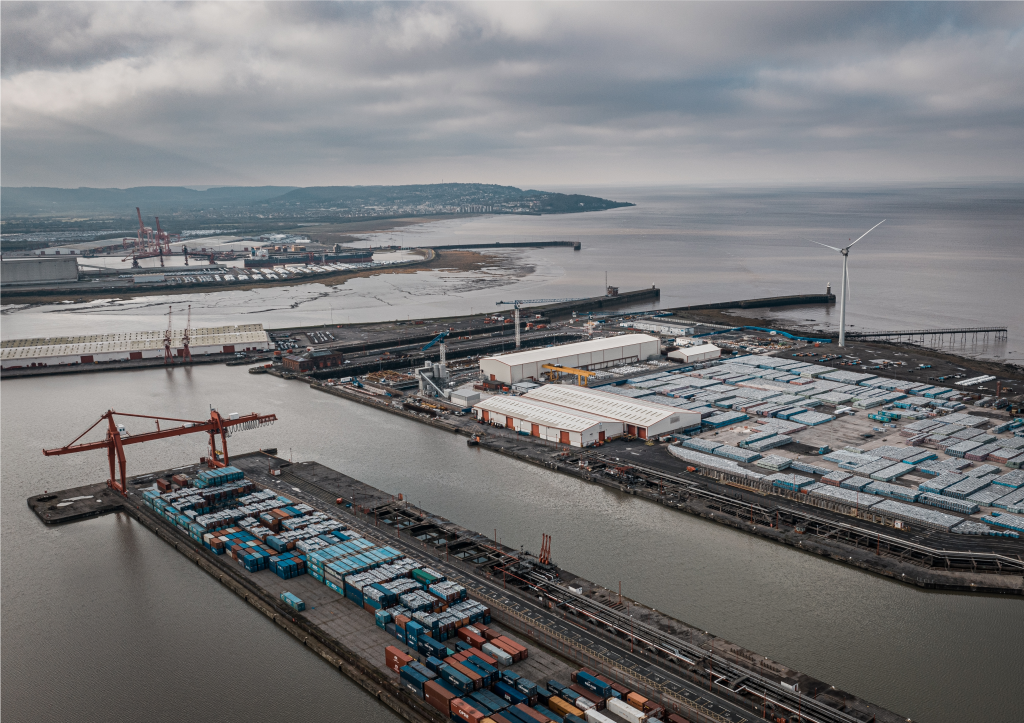
Meanwhile, A.P. Moller–Maersk announced it will cut 1,000 jobs and strengthen its cost discipline throughout the year. The move comes amid deteriorating freight rates following the reopening of Red Sea shipping routes. According to the company, the decision aims to protect the profitability of the world’s largest container carrier in a more challenging maritime trade environment.
Maersk plans to cut the equivalent of 15% of positions in its corporate functions, though less than 1% of its total workforce. Annual cost savings are expected to reach $180 million, the company said. Maersk expects to grow broadly in line with global container trade.
Freight rates and a turbulent quarter
The potential reopening of the Red Sea has led major container shipping companies to anticipate a decline in profits in 2026, as the shift could weigh on freight rates and exacerbate oversupply issues in the sector. Analysts warn that a full return to Red Sea transit would deepen existing structural imbalances in the industry, helping explain Maersk’s firm stance.
At the same time, global fleet capacity continues to grow at a record pace, with an estimated 36% increase between 2023 and 2027, while container shipping demand could contract by 1.1% in 2026. Against this backdrop, freight rates remain on a downward trend, falling 4.7% week over week to $2,107 per 40-foot container. Shipping lines are adopting a cautious strategy, avoiding major network changes amid the risk of renewed geopolitical instability in the region.
What was initially expected to be a promising year for the transportation industry has instead evolved into a first quarter marked by turbulence and restructuring. Still, segments such as trucking retain a relatively optimistic outlook. How these restructuring efforts will ultimately affect the broader transportation sector remains to be seen.

Super Bowl LX: The Logistics Behind the Patriots–Seahawks Showdown
Super Bowl LX, featuring the New England Patriots and the Seattle Seahawks, is far more than the NFL’s championship game. It involves one of the most complex logistics operations in the world, with hundreds of trucks, ultra-precise technical production, layered security controls, and an industrial-scale deployment that turns Levi’s Stadium into a temporary city for 72 hours.

Job cuts surge in January, weighing on transportation
January saw one of the largest waves of job cuts since 2009 across multiple sectors in the United States. January saw one of the largest

Federal Reserve: rates remain unchanged with caution amid a solid economy
The United States Federal Reserve decided to keep interest rates unchanged, in line with market expectations. In the latest episode of the Mercado Sobre Ruedas

DOT Grants Historic License for Deepwater Oil Export Port
The license issued by the U.S. Department of Transportation (DOT) to the Texas GulfLink project strengthens America’s energy export infrastructure and signals new growth for industrial logistics and heavy-duty trucking.

What Truck Drivers Love Most About Their Job
Truck driving isn’t just a job; for many, it’s a calling that offers a unique blend of freedom, adventure, and independence. By Bob Dilliplaine, Industry

Frozen Roads After Bomb Cyclone: Black Ice, Record Snow and High Risk for Trucks
Frozen roads continue to disrupt freight transportation following the impact of a powerful bomb cyclone, leaving behind black ice, highway shutdowns, power outages, and dangerous winter driving conditions stretching from the Gulf Coast to New England.