Civil liability litigation has become increasingly costly for businesses, particularly for the trucking industry.
Civil liability litigation has become increasingly costly for businesses, particularly for the trucking industry, due to the rapid rise in jury-awarded damages. An analysis by the American Transportation Research Institute (ATRI) found that so-called “nuclear verdicts” increased significantly in both frequency and size between 2013 and 2022, with the median award reaching $36 million in 2022—50% higher than in 2013. In addition, the share of verdicts exceeding $50 million also increased.
The trucking industry is especially vulnerable to these cases, as traffic accidents are among the leading sources of nuclear verdicts. These costs are ultimately passed on to consumers and the broader economy, contributing to food price inflation and reducing U.S. GDP.
In response to this ongoing pressure, studies such as ATRI’s seek to analyze current trends in verdicts and settlements, given their direct impact on commercial vehicle insurance costs.
Rising litigation: the urgent need for balanced legal reforms
The growth in litigation and jury awards has turned even minor accidents into significant financial risks for the transportation sector, particularly for small and mid-sized fleets. The federally mandated minimum insurance requirement of $750,000—unchanged since the 1980s—is now insufficient in the face of claims that frequently reach tens of millions of dollars.
Data shared by ATRI show sustained growth in civil litigation related to tractor-trailer crashes: between 2014 and 2023, cases increased at an average annual rate of 3.7% across 20 states, slightly outpacing the national growth rate of serious and fatal large-truck crashes (3.6%), according to NHTSA.
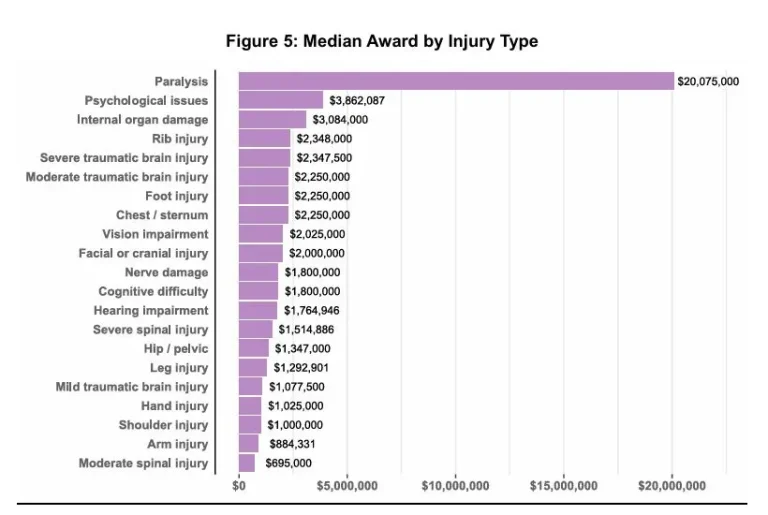
Moreover, high damage awards are often weakly correlated with actual medical costs. In more than 80% of verdicts exceeding $1 million, non-economic damages were up to ten times higher than the plaintiffs’ medical expenses. While certain injuries, such as paralysis, psychological disorders, and internal organ damage, produced the highest average awards, they were relatively uncommon within the overall dataset.
The report identifies several factors statistically associated with higher awards, particularly specific types of negligence and injury severity. Regarding negligence:
- Driver use of illegal substances — associated with a 340.7% increase in total damages
- Improper hiring or onboarding practices — associated with a 272.3% increase
Inadequate onboarding was the sole negligence factor in 60% of the cases in which it was alleged, making it the most common single cause of plaintiff awards. Other significant factors included running red lights, failure to stop, and improper parking.
With respect to injuries:
- Fatality cases increased total compensation by more than 380% on average
- Persistent psychological disorders increased awards by 290%
- Severe and moderate traumatic brain injuries increased compensation by 158.9% and 83.8%, respectively
The report concludes by emphasizing the urgent need for balanced legal reforms and warns policymakers about the growing complexity and severity of the current litigation environment. States such as Georgia, Arkansas, and Montana have introduced legislation to curb excessive litigation, while Oklahoma and Iowa have enacted laws imposing caps on non-economic damages to limit excessive awards that, in some cases, vastly exceed actual medical and financial losses. Nevertheless, further reform efforts are needed.

Escalating litigation costs in the U.S. trucking industry
Civil liability litigation has become increasingly costly for businesses, particularly for the trucking industry. Civil liability litigation has become increasingly costly for businesses, particularly for

Is Tesla saying goodbye? Is the end of the road for these models
During Tesla’s earnings call, CEO Elon Musk announced both models that will be discontinued in the second quarter of 2026. Is Tesla saying goodbye? Not
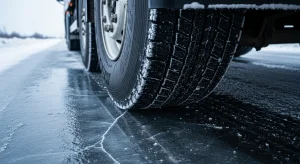
Black Ice: The Invisible Danger on Winter Roads
Black ice is one of the most dangerous road conditions during winter because it forms a nearly invisible layer over the pavement. It eliminates traction and can cause a total loss of vehicle control in seconds.
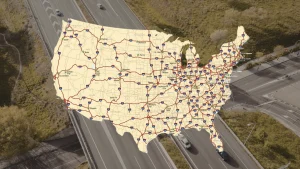
United States Numbered Highway System: how does it work?
The U.S. Numbered Highway System provides an integrated national network of roads designed to facilitate long-distance travel. The numbering of U.S. highways follows a structured

In brief: weigh stations, young drivers, and fuel tax reform in the trucking industry
South Carolina debuts virtual weigh stations for trucking, as ATA pushes youth driver program, and states debate fuel policies. South Carolina launches virtual weigh stations

The Wildest Truck Modifications on the Road Today
Truck customization has become a serious industry, with some builds rivaling high-end RV conversions in complexity and cost. From redesigned sleepers to upgraded suspension systems, these modifications do more than change appearance — they alter weight, electrical load, and the technical profile of the truck.