 Hable con un agente al (888) 572-7520
 Enviar mensaje a un agente


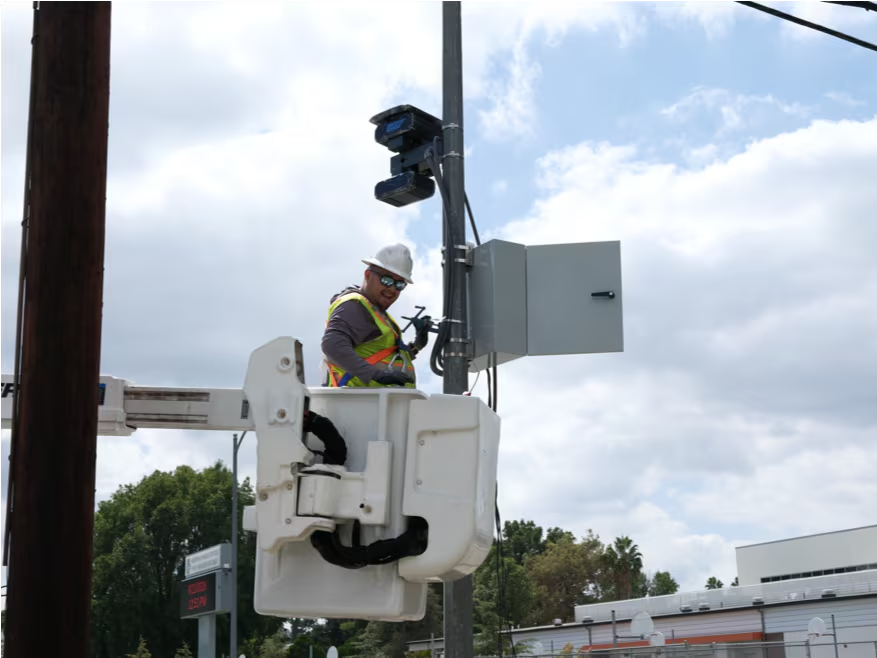

The Los Angeles Department of Transportation (LADOT) began implementing a new automated speed enforcement system on October 26, 2026, to detect speeding violations on city streets. The program includes the installation of 125 speed cameras that will also monitor commercial trucks and other freight vehicles.
The initiative is part of the Speed Safety Systems Program, a pilot project designed to reduce serious crashes and traffic fatalities associated with speeding. Cameras will be activated gradually, with LADOT expecting all systems to be operational by the end of 2026.
For truck drivers making deliveries, transporting freight, or regularly traveling through Los Angeles, the program introduces additional enforcement locations to consider when planning routes, particularly on urban streets and in commercial distribution areas.
How the Speed Cameras Will Work and When Fines Begin
The system uses automated cameras to identify vehicles traveling above posted speed limits.
Under California Assembly Bill 645 (AB 645), each camera will have an initial 60-day warning period during which drivers exceeding the posted speed limit by at least 11 mph will receive warnings instead of fines.
Once that period ends, the system will begin issuing citations, with fines starting at $50.
Importantly, the 60-day warning period does not apply only to the program’s initial launch. Each newly activated camera will have its own warning period before monetary penalties begin.
This means some cameras may already be issuing citations while others are still sending warning notices.
What Changes for Truck Drivers and Transportation Companies
Although the program is not specifically aimed at commercial transportation, freight trucks are also subject to automated speed enforcement.
The measure is particularly relevant for drivers involved in urban freight distribution, retail deliveries, warehouse supply operations, and cargo transportation throughout Los Angeles.
Heavy trucks require longer stopping distances and have different handling characteristics than passenger vehicles. Following posted speed limits is especially important near pedestrian crossings, intersections, and areas with significant pedestrian and vehicle traffic.
For trucking companies managing commercial fleets, the introduction of automated speed cameras is another factor to consider in driver training, fleet safety policies, and daily operations.
The program does not ban trucks from city streets or change designated truck routes. Instead, it introduces an additional enforcement mechanism for vehicles traveling through selected corridors.
Where Will the 125 Speed Cameras Be Installed?
According to LADOT, the cameras will be distributed across different areas of Los Angeles, prioritizing streets with documented speeding problems and higher crash rates.
Locations with significant pedestrian activity, including areas frequented by children, older adults, and other vulnerable road users, will also receive particular attention.
Camera locations were selected using traffic safety data and input from community organizations.
Truck drivers can review planned locations through the official LADOT camera location map, which identifies the streets and corridors included in the program.
It is important to distinguish between the urban streets selected for camera installation and the freeways serving the greater Los Angeles metropolitan area.
The announcement does not mean speed cameras are being installed on every highway or freeway throughout the region.
Los Angeles Aims to Reduce Speed-Related Crashes
The new enforcement program responds to concerning traffic safety statistics in the city.
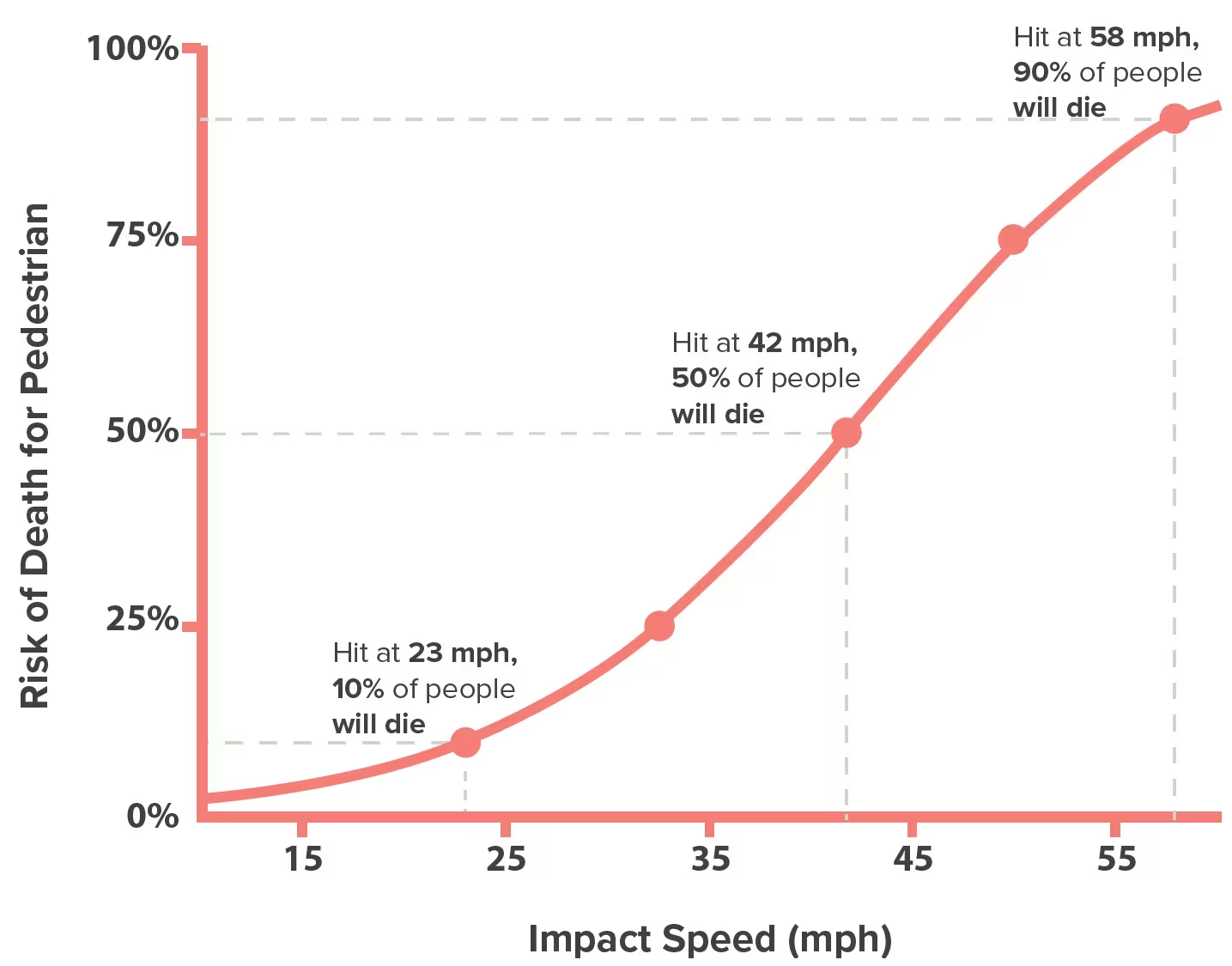
According to LADOT, approximately one in five fatal crashes in Los Angeles during 2024 was directly attributed to speeding.
The department also points to results from other California cities that have introduced similar enforcement technologies.
In San Francisco, early data cited by LADOT indicates reductions of up to 72% in speeding along certain corridors equipped with automated speed cameras.
City officials believe these systems can encourage safer driving behavior, reduce dangerous speeding, and prevent crashes resulting in serious injuries or fatalities.
The Los Angeles program will operate as a five-year pilot. At its conclusion, LADOT will submit a report to the California State Legislature evaluating its traffic safety outcomes and economic impact.
Revenue collected from citations will be used to supplement the city’s ongoing investments in safer street infrastructure.
What Trucking Companies and Drivers Should Know
As Los Angeles begins activating its new speed cameras, commercial drivers operating in the city should pay close attention to posted speed limits, including on streets they travel regularly.
Trucking companies should also monitor camera locations and activation status, as the rollout will continue gradually over the coming months.
The most significant change for the trucking industry is that speeding violations can now be detected automatically at 125 locations across Los Angeles, without requiring a traffic officer to pull over a vehicle.
For truck drivers, understanding the new enforcement rules and maintaining safe driving practices can help prevent costly citations while supporting safer freight transportation operations.
Updated information about the program, camera locations, and implementation schedule is available on the official LADOT website.
 Business hours: Monday to Friday from 8:00 AM to 5:00 PM. California time