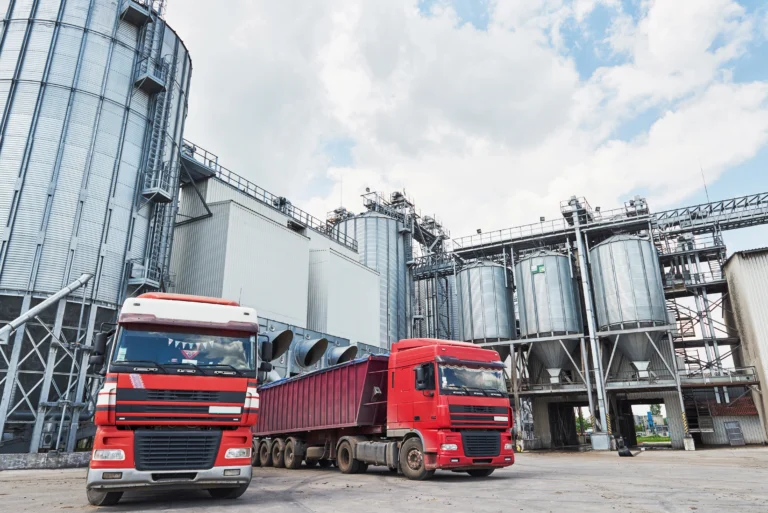
Fuel supply disruptions trigger emergencies in the Midwest.
A combination of fuel supply disruptions and winter weather conditions is significantly affecting the supply chain in the U.S. Midwest. Since November 27, operations on Enterprise’s pipeline system have been limited, particularly impacting terminals in Wisconsin and neighboring states, according to Wisconsin officials.
The reduced fuel flow has increased demand, especially for residential heating fuel. Added to this are extended wait times at Wisconsin terminals and the need to transport fuel long distances by road, factors that further complicate the logistical situation.
Fuel Emergency: hours-of-service exemption
In response, Wisconsin is maintaining a fuel emergency in effect through January 2, which grants a temporary hours-of-service exemption for carriers and drivers transporting residential heating fuel. The measure applies on all state highways, though those hauling such fuel on behalf of others must have the required authorization to operate in Wisconsin.
Iowa has also declared an emergency due to fuel supply issues. Chief concerns include timely access to heating products, such as propane, in rural areas. In Iowa, the hours-of-service exemption will remain in effect until January 3 and covers the transportation of propane, heating diesel, natural gas, and other fuels intended for residential, agricultural, and commercial use. The order applies on all state roads and does not require drivers to carry a copy of it.
Regarding fuel prices, recent data show that as of Monday, December 8, a gallon of diesel cost $3.57 in both Wisconsin and Iowa, according to ProMiles.com. Meanwhile, AAA reported on December 9 average prices of $3.528 in Iowa and $3.542 in Wisconsin. Regionally, the Energy Information Administration’s weekly report placed the Midwest’s average fuel price at $3.635.
Additional requests denied
Amid these emergencies, Wisconsin-based contractor Northern Clearing requested that the Federal Motor Carrier Safety Administration (FMCSA) extend the hours-of-service exemption. The company argued that the current timeframe does not cover long-term infrastructure rehabilitation needs once the immediate threat subsides. However, the FMCSA denied the request, citing a lack of clarity and insufficient evidence.
The Midwest continues to monitor the impact of these disruptions as officials assess the need for further support measures to ensure fuel supply during the heart of the winter season.

What if the Oscars were about trucking? Hollywood characters reimagined as truckers
This week marks the 98th Academy Awards, what if the categories were inspired by the transportation industry?

TCA Professional Drivers of the Year 2026: 5 drivers who paved the road
TCA Professional Drivers of the Year selects drivers with the greatest impact, outstanding safety records, and individuals with inspiring stories that made a difference.

Unusual Stories from the Road: When Reality Outruns Logistics
From a giant magnet moving down the highway like a spacecraft to millions of bees taking over a highway, the world of freight transportation is full of events that are as strange as they are real. Some of these stories went viral, others became legends among drivers, but all of them reveal the unexpected side of logistics.

The safest, most reliable and crash-resistant cars for protecting you on the road
Based on ratings from the NHTSA and the IIHS evaluation system, this list shows some of the safest and most crash-resistant cars.

U.S. greenlights electric flying taxi tests across 26 states
The Department of Transportation announced the selection of eight electric air taxi proposals aimed at accelerating and integrating electric aerial vehicles in the U.S.

Immigrant Drivers: How the “Second Wave” of Road Checks Will Be
A firm and more sophisticated surveillance targets thousands of drivers. The cancellation of licenses and operations on highways challenge the transport sector and reduce the labor supply. A guide to not get left behind.