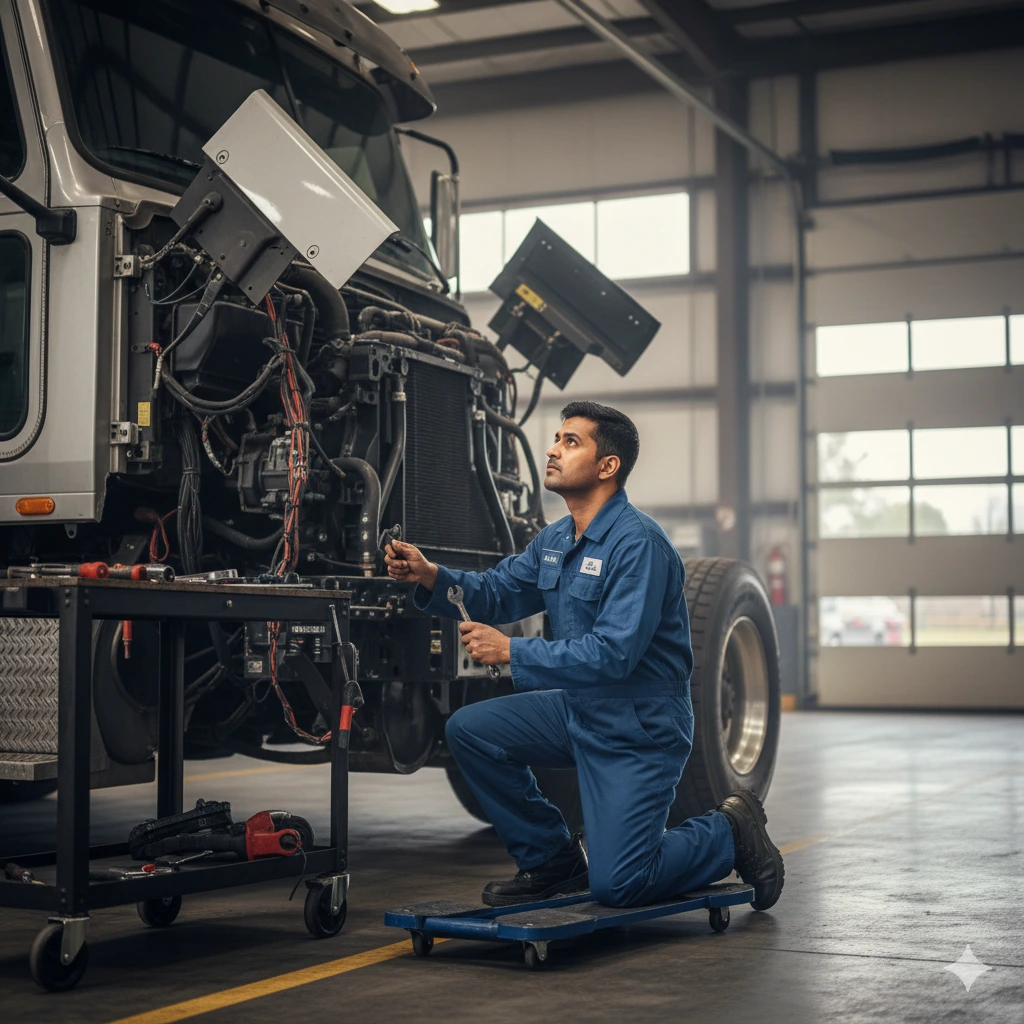
National Technician Appreciation Week: the U.S. trucking industry pauses to honor a group of professionals whose work often goes unseen but is essential to everything that moves across the nation’s highways
Every September, the U.S. trucking industry pauses to honor a group of professionals whose work often goes unseen but is essential to everything that moves across the nation’s highways: fleet technicians.
National Technician Appreciation Week shines a spotlight on the men and women who keep trucks safe, reliable, and road-ready—ensuring that supply chains never stop, fuel efficiency is maximized, and fleets operate at peak performance.
The Backbone of the Supply Chain
Trucking carries more than 70% of all freight tonnage in the United States, according to the American Trucking Associations (ATA). This makes trucks the backbone of the American economy—and technicians the ones who keep that backbone strong.
Modern trucks are more than engines and wheels. They are highly sophisticated machines that combine advanced electronics, emissions systems, safety sensors, and real-time telematics. Keeping all of these systems functioning properly is no small feat. Fleet technicians are the ones who perform preventative maintenance, run diagnostics, and complete repairs that keep freight moving. Their work directly translates into fewer breakdowns, smoother operations, and ultimately, products arriving on time.
Guardians of Road Safety
The role of technicians goes far beyond mechanical expertise—it extends to public safety. A poorly maintained truck isn’t just a cost risk for a carrier; it’s a hazard on the highway. Brake failures, tire blowouts, steering malfunctions, and electrical issues can lead to catastrophic accidents.
Technicians are the first line of defense against these risks. Through inspections and routine maintenance, they identify and address issues before they become dangerous. In doing so, they serve as quiet guardians of the road, protecting not just truck drivers but everyone who shares the highway.

A Profession of Constant Learning
Fleet maintenance is no longer just about wrenches and grease. Today’s shop floors look more like tech labs than old-school garages. Technicians use diagnostic software, advanced tools, and digital platforms to monitor performance and address problems.
To stay current, many pursue certifications through organizations like the National Institute for Automotive Service Excellence (ASE). These credentials set a high bar for quality and professionalism and ensure technicians are equipped to handle both traditional diesel systems and the latest electric drivetrains.
Continuous training is not optional—it’s a requirement in a fast-changing industry where technology evolves almost as quickly as regulations.
Recognition That’s Long Overdue
National Technician Appreciation Week gives the industry a chance to put these professionals in the spotlight. Carriers, suppliers, and industry associations often mark the week with events, awards, and recognition programs. It’s a time to thank technicians for the long hours they put in—often overnight, in harsh weather, or on the side of the road during an emergency service call.
When a truck breaks down in a remote stretch of interstate, it’s the technician who gets it back in service and the freight back on schedule. Without them, downtime would ripple through the supply chain, costing companies and consumers alike.
More Than Maintenance: A Human Impact
The impact of technicians stretches far beyond fleet efficiency and safety. Every delivery they make possible carries real-world meaning. A refrigerated truck they keep running might be hauling life-saving medications. A tanker they service could be delivering fuel to keep a community moving. A dry van on their maintenance schedule might be stocked with groceries bound for thousands of families.
By ensuring trucks are always ready, technicians make sure America itself keeps moving.
Driving Efficiency and Sustainability
Fuel is one of the largest expenses for carriers, often accounting for a quarter or more of operating costs. Proper maintenance directly impacts how much fuel a truck consumes. A well-tuned engine, properly inflated tires, and optimized aerodynamics can mean significant savings at the pump.
Technicians are also central to the industry’s sustainability efforts. By ensuring that trucks meet emissions standards and operate at peak efficiency, they help reduce environmental impact. And as fleets begin integrating electric trucks, hydrogen power, and hybrid technologies, technicians are at the frontlines of learning and applying new skills to support the transition to greener freight.
A Week to Say Thank You
National Technician Appreciation Week is more than an industry celebration—it’s a reminder that the trucking world doesn’t just run on diesel, technology, or logistics. It runs on the skill, dedication, and expertise of the people who keep the trucks rolling.
As fleets continue to grow more complex and the demands on the supply chain intensify, the role of technicians will only become more vital. Recognizing their contributions is not only the right thing to do—it’s essential for the future of trucking.
So this week, the industry takes a well-deserved pause to honor its unsung heroes. Because without technicians, the wheels of commerce would quite literally stop turning.

What Is the Difference Between Class A, B, and C Licenses?
Commercial licenses are required to operate large or specialized vehicles; learn about the differences.

The Perfect Road Trip Playlist for Truck Drivers in June
Whether you’re crossing highways, desert routes, late-night roads, or just taking a short trip, the best companion on a road trip will always be a good playlist.

From Alcatraz to Modern Prisons: How Supply Trucks Operate Behind Maximum-Security Walls
Maximum-security prisons depend on highly controlled logistics networks to receive food, water, medicine, fuel, equipment and other essential supplies. Since Donald Trump floated the idea of reopening Alcatraz, one question has resurfaced: How are these facilities supplied, and what protocols must truck drivers and vendors follow to gain access?

Oakland’s New Speed Cameras Generate 82,000 Tickets in Just One Month
The cameras had been issuing warnings since January 14, 2026, and officially began issuing speeding tickets on March 15, 2026.

How Traffic Congestion Is Forcing Fleets to Rethink Operations
Traffic congestion is redefining freight transportation operations, what are fleets doing to survive?

Ten Ways to Improve Truck Fuel Efficiency and Reduce Costs
How better fuel efficiency can help truck drivers and fleets lower operating expenses and improve profitability