Understanding the actions to take after an accident, as well as knowing your rights, is essential for every driver.
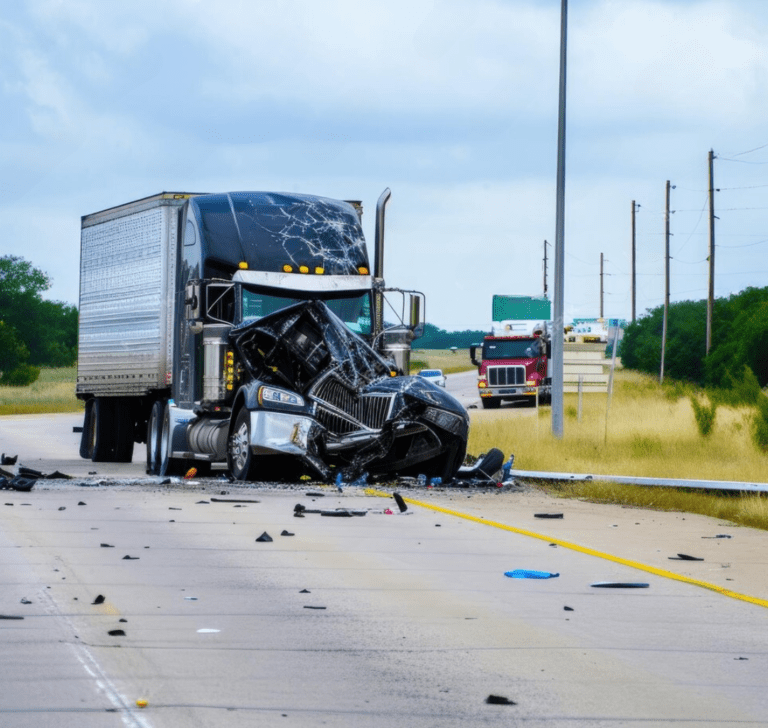
Truck accidents are an unfortunate reality in the industry. These incidents can involve property damage, injuries, and in the worst cases, fatalities. That is why understanding the actions to take after an accident, as well as knowing your rights, is essential for every driver. Understanding this information is crucial to ensure fair compensation, as taking the right steps will greatly influence the outcome of your case.
After an accident, regardless of its magnitude, the first priority is to ensure your safety and the safety of others. After moving to a safe location and contacting emergency services, you should gather evidence through photos and videos. Avoid making statements until authorities arrive.
Once this procedure is completed, there are six key areas to understand after an accident:

1. Liability in truck accidents
Liability in truck accidents can involve multiple parties, such as the driver, the transportation company, the vehicle manufacturer, or the maintenance provider. Factors like negligence, improper loading, mechanical failures, and violations of regulations are key to determining liability. Wait for authorities and your insurer to assess the situation before proceeding with the necessary processes.
2. Medical assessment
Seeking medical attention after a truck accident is essential, even if you don’t feel symptoms. A medical examination provides a crucial record for your recovery and legal case. Keep all medical records and bills as evidence, as you may need them if the case requires legal proceedings.

3. Legal representation
Legal representation is crucial in truck accident cases due to their complexity. Specialized attorneys can help identify liabilities, gather evidence, negotiate settlements, and represent you in court, ensuring that your interests are prioritized over large transportation companies. Consult with your insurer to see if they have in-house attorneys who can assist you.
4. Types of compensation
Victims of truck accidents may be entitled to compensation for medical expenses, lost wages, property damage, pain and suffering, and punitive damages in cases of gross negligence. This information will depend on the insurance you or the company you work for have, so contacting your insurer is one of the main steps to take.

5. Federal and state regulations
Transportation companies and drivers must comply with federal and state regulations regarding rest, maintenance, and cargo. Violations, such as exceeding driving hours, can determine liability in an accident. Be sure to understand these regulations to strengthen your case.
6. Legal process
The lawsuit after a truck accident involves investigation, discovery, and negotiations in some cases. If you have hired a legal team, they will gather key evidence to strengthen your case. Patience and communication with your attorney are crucial to achieving a fair resolution.
A truck accident alters lives and requires understanding your rights. From medical care to the legal process, each step influences your case. Staying informed and seeking professional help protects your interests and supports your recovery and future. This guide is your starting point.

What Regulations Have Changed for Truck Drivers in the U.S. in 2026?
Learn about the new trucking regulations in the United States for 2026, upcoming FMCSA changes, and how they will affect drivers and trucking companies.

Apocalyptic-Looking Sky in Ontario Goes Viral Amid Wildfires
Wildfires swept across Ontario, Canada and smoke spread as far as the U.S. border.

The Biggest Match of the World Cup Was Played Off the Field
More than 453 metric tons of equipment, around 5,000 trucks and support vehicles, and simultaneous operations across 16 host cities kept the largest FIFA World Cup in history running.

DEF Act: 10 Years of Legal Protection for EPA Diesel Emissions Guidance
The Diesel Engine Flexibility (DEF) Act would protect agricultural and transportation businesses by building on the diesel emissions guidance by the EPA.

License Plate Readers Raise Privacy Concerns for Truck Drivers
Concerns are growing over the impact license plate readers could have on the privacy and security of truck drivers.

IMF Warns: The World Is Approaching an Energy Crisis
The IMF says the global oil market managed to absorb the initial shock of the Middle East conflict, but warns that the strategic reserves and commercial inventories used to prevent a supply crisis have been largely depleted.