How the latest duties may impact logistics costs, insurance strategies, and fleet maintenance — and why smart coverage is now a competitive advantage
The U.S. Department of Commerce confirmed this week a new round of import tariffs targeting critical products like semiconductors, refined copper, lithium batteries, and advanced electronic components. Set to take effect on August 1, the measure aims to reduce foreign tech dependency — but it’s causing serious concern in the freight and logistics sectors, where these materials are essential. As operating costs rise, insurance is no longer just protection — it’s becoming a strategic lever to stay competitive.
What’s on the Tariff List?
According to the U.S. Trade Representative’s Office, the following items will be affected:
Semiconductors: Essential for GPS systems, telematics, fleet control units, ABS, and safety sensors.
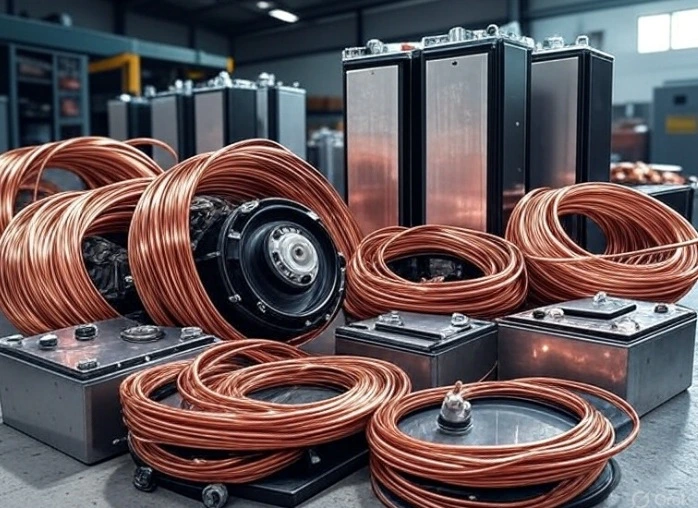
Refined copper and alloys: Crucial for engines, electrical wiring, and structural truck parts.
Lithium batteries: Powering last-mile electric vehicles and auxiliary equipment.
Chips, boards, and integrated circuits: Found in onboard computers, diagnostic tools, and maintenance software
Rising Costs for Carriers and Fleet Operators
For trucking companies and logistics providers, these tariffs mean immediate increases in fleet maintenance, new unit purchases, and tech upgrades. Industry estimates suggest:
Electronic module replacements could spike 12–20%.
Repairs to electrical systems may rise up to 15% within six months.
EV and hybrid vehicle operators will see higher capital costs.
These changes come at a time when many fleets are already navigating tight margins and inflationary pressures.

Insurance as a Strategic Shield
Despite the cost surge, transportation companies don’t have to bear the full financial impact. With the support of specialized insurers, many are finding ways to adapt, protect assets, and control overhead.
Firms like Saint George Insurance, with extensive experience in transport and logistics, offer:
Dynamic policies that adjust to the real-time value of imported parts and tech.
Scalable plans tailored to small and mid-sized fleets, offering flexible coverage as asset values fluctuate.
Financial guidance to add automatic adjustment clauses and protect against inflation on high-cost components.
Integrated services like online claims, real-time fleet tracking, and risk auditing.
Today, insurance isn’t an extra expense — it’s a tool for operational efficiency.
When replacement costs spike, the right policy can prevent million-dollar losses and keep your business moving.
Many insurers now allow policy renegotiations without penalties and tech updates without canceling existing contracts, helping carriers remain agile in a volatile market.
⚠️ The Challenge for Small and Mid-Sized Fleets
While larger players may pass some costs on to customers, small and mid-sized fleets face shrinking profit margins. For them, optimizing insurance plans, reviewing coverage, and leaning on expert advisors is no longer optional — it’s vital for survival and growth.
This new wave of tariffs is more than just a hurdle — it’s a wake-up call. It’s a chance to rethink business models, renegotiate supply contracts, and reinforce risk protection.
Smart transportation today isn’t just about logistics and hardware — it’s also about having the right insurance partner in a rapidly changing environment.

Oliver Tree & Gaspi: Tragedy That Highlights Air Traffic Logistics
The deaths of American musician Oliver Tree and Argentine content creator Gaspi in a helicopter collision over Rio de Janeiro have once again raised a critical question for the transportation industry: how to safely manage increasingly congested transportation networks, both in the air and on the ground.

How to Perform a Pre-Trip Inspection: A Guide for Truck Drivers
A pre-trip inspection is one of the most important procedures for any truck driver.

Best Road Tunnels to Visit in the USA
Some cut through towering mountain ranges, while others pass beneath rivers, bays, and major urban centers: these are the best road tunnels.

How Many Miles Does the 2026 World Cup Move?
With host cities located more than 2,800 miles apart, the 2026 FIFA World Cup is testing one of the most ambitious logistics operations in sports history.

The History of Soccer: From an Ancient Game to the World’s Most Popular Sport
Soccer is much more than a sport, it’s a passion that brings together cultures, generations, and entire nations.

Truck Accident Compensation: Economic, Non-Economic, and Punitive Damages
In addition to physical injuries, victims of truck accidents often face emotional trauma and financial hardships that affect their quality of life.