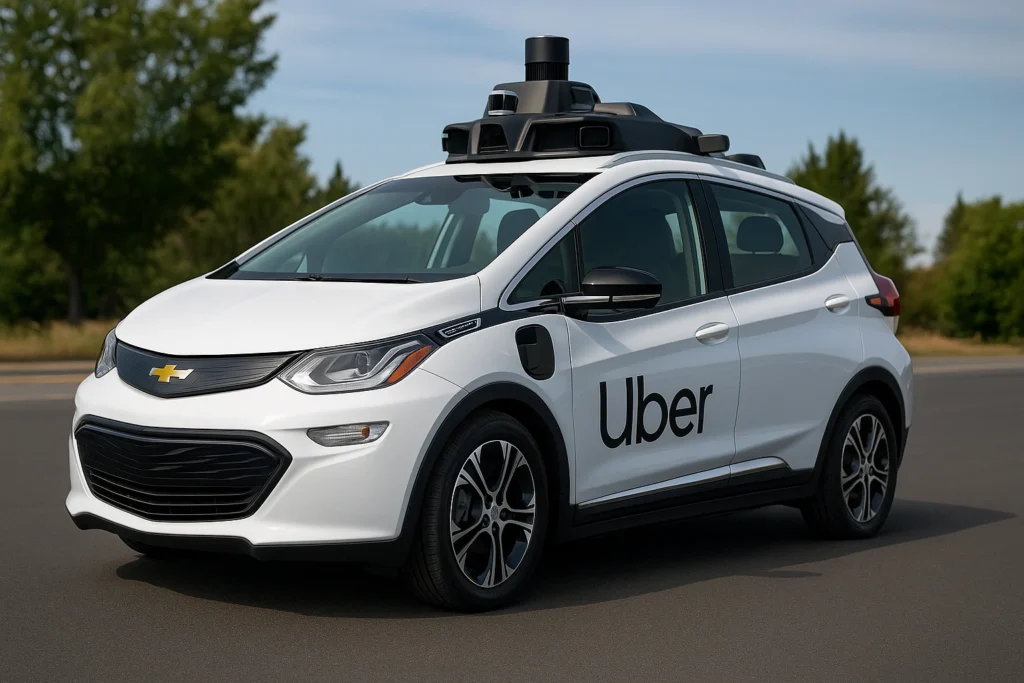
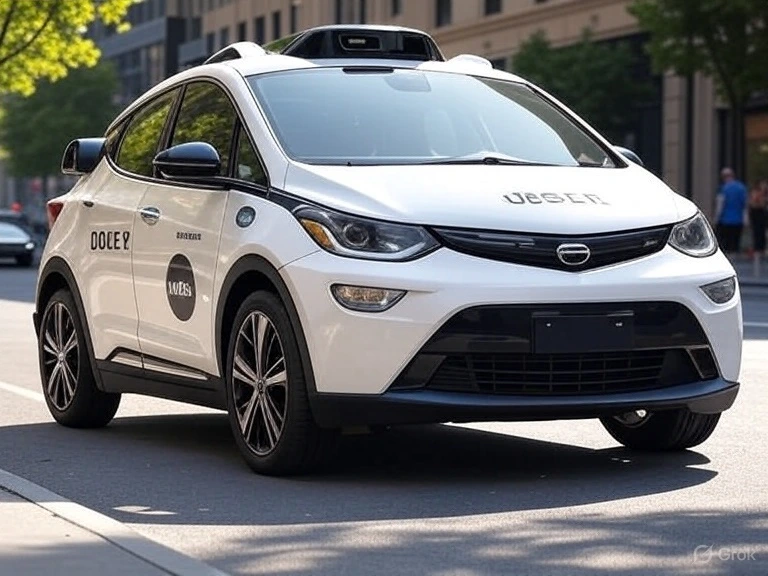
The federal agency has announced the start of regulatory processes to adapt safety standards to automated driving. The move seeks to accompany the expansion of robotaxi fleets, with Uber and Lucid projecting the rollout of 20,000 units in the coming years.
The National Highway Traffic Safety Administration (NHTSA) confirmed that it will initiate three regulatory processes to modernize federal safety standards for vehicles equipped with autonomous driving systems.
This step has long been awaited by the tech and auto industries, which for years have been pushing for an updated legal framework to keep pace with rapid innovation.
The announcement comes at a critical moment: companies like Uber and Lucid have already revealed plans to deploy 20,000 robotaxis over the next few years, a move that could make autonomous mobility an everyday reality for thousands of passengers across multiple U.S. cities. However, without clear rules defining safety parameters and accountability, growth in the sector faces both legal and social barriers.
The Need for a New Regulatory Framework
Current U.S. vehicle safety standards were designed for a world where humans are behind the wheel. Although the rules have evolved over decades, many existing provisions do not account for scenarios in which the “driver” is an artificial intelligence system.
This gap raises pressing questions:
What requirements should apply to the cameras and sensors that replace human vision?
How should the safety of driving software be evaluated under adverse conditions?
What emergency protocols should be in place for vehicles that lack steering wheels and pedals?
NHTSA aims to address these questions through public consultations and technical reviews that could last several months. The agency’s goal is to build an updated framework that provides legal certainty for companies and, above all, confidence for passengers.

Impact on Industry and Mobility
NHTSA’s decision is a game-changer for the market. Industry analysts say the adoption of new rules could unlock billions of dollars in investments in robotaxi fleets and autonomous delivery vehicles. Uber has already piloted robotaxi programs in Phoenix and Las Vegas, while Lucid — best known for its luxury EVs — is preparing to partner with technology providers to scale its services.
If current plans succeed, the initial deployment of 20,000 autonomous vehicles could reshape urban mobility, reducing reliance on private cars while expanding on-demand transportation options. Freight transport could also benefit, with autonomous trucks operating continuously and safely along strategic freight corridors.
Challenges and Resistance
Despite the promise, autonomous vehicles remain controversial. Consumer groups and labor unions have voiced concerns about several risks:
Safety: Previous crashes involving test vehicles fuel skepticism about reliability.
Jobs: Automation threatens to displace millions of professional drivers.
Liability: It remains unclear who is responsible in case of an accident — the manufacturer, fleet operator, or software developer.
NHTSA will need to strike a delicate balance, ensuring strict safety checks, transparency protocols, and oversight mechanisms.
A Cultural Shift Underway
Beyond regulation, the debate over autonomous vehicles highlights a deeper cultural shift in how Americans view transportation. For over a century, driving has been synonymous with personal freedom. Now, younger generations seem more willing to hand over control to technology — especially if it saves time, money, and emissions.
The convergence of electrification, digitalization, and automation is shaping a new mobility paradigm. NHTSA’s task is to ensure that progress does not come at the expense of road safety.
The agency’s decision to modernize safety standards for autonomous vehicles represents a milestone comparable to the introduction of the first auto regulations in the early 20th century. Just as rules once required headlights, brakes, and seatbelts, today the discussion centers on software reliability, sensor performance, and system accountability.
If the process succeeds in balancing innovation with safety and social responsibility, the U.S. could emerge as a global leader in robotaxi and autonomous transport deployment. For millions of users, the change could mean more accessible, safe, and efficient mobility. For industry, it’s a gateway to a multibillion-dollar market. And for society at large, it signals the beginning of a future where the steering wheel is no longer in human hands.

Fuel tax cuts gain momentum across U.S. states
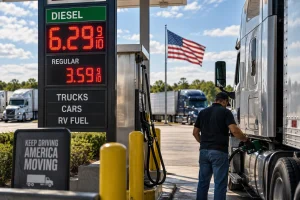
In response to recent increases in fuel prices, lawmakers in several states have been working to adopt measures that temporarily suspend fuel taxes.

Maintenance practices commonly overlooked in fleets
These overlooked maintenance tasks can cost a fleet an average of $12,000 to $18,000 per truck annually.

U.S. Economy 2026: Accelerating vs. Stalling Sectors
Technology, renewable energy and domestic tourism drove production during the first quarter of the year. The residential real estate, agriculture and textile sectors lagged behind. What happened to transportation? Special report.

10 Things Truck Drivers Are Not Allowed to Do (And Many Don’t Know It)
Fines up to $16,000, CDL suspension, and accident risk: these are the DOT and FMCSA rules every truck driver must know today.

Do you want to be a truck driver? Here’s what you need to know
Being a truck driver in the United States represents an attractive professional option due to the sustained demand in the logistics industry, but it comes with certain challenges.

$12.5 billion saved by the impact of weigh station bypass technology
The 2026 National Bypass Impact Index reveals significant operational benefits accumulated over nearly three decades.