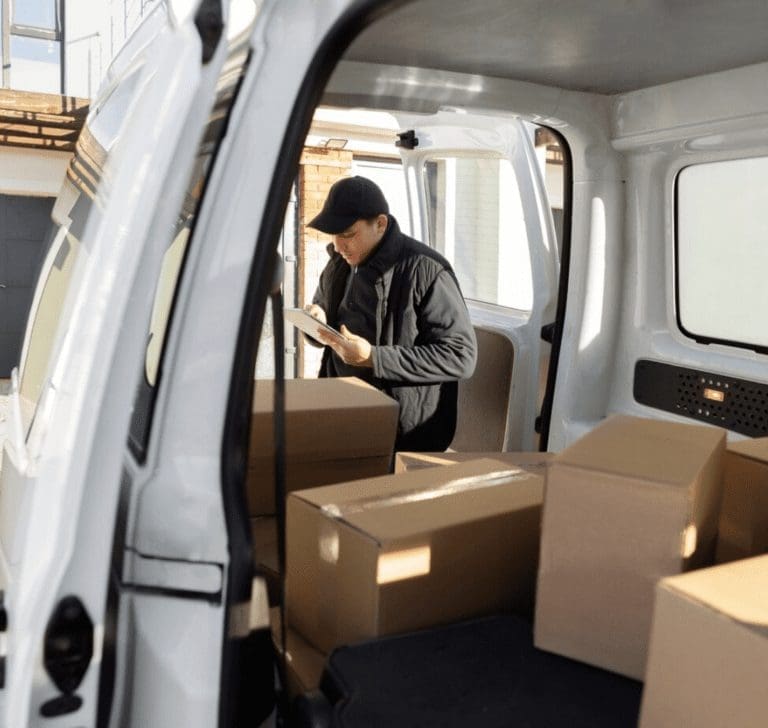
A report reveals that organized theft groups are using increasingly sophisticated strategies to carry out fraudulent thefts.
GearTrack, in collaboration with Verisk CargoNet, has released its latest report titled “Cargo Security Index” for April 2025. The report reveals that organized theft groups are using increasingly sophisticated strategies to carry out fraudulent thefts. Some of the most common tactics include non-delivery of shipments, tracking freight trains along distribution routes, and even document forgery. As a result, there has been an alarming increase in cargo theft, a problem that both the industry and Congress are actively addressing.
The Cargo Security Index (CSI) utilizes exclusive data from Verisk CargoNet and the specialized knowledge of the GearTrack team to identify and analyze potential cargo theft risks, as well as trends in the United States. This analysis provides supply chain professionals with valuable information to take preventive measures and mitigate cargo theft.

Cargo Security Index: April 2025
Earlier this year, Verisk CargoNet published a report on cargo thefts in 2024. The report highlighted that 46% of all cargo thefts in North America occurred in the United States. Additionally, two states were identified as the main hotspots for these fraudulent activities: California and Texas. According to the latest report from GearTrack, these two states remain the most affected in 2025, with Florida now added to the list of most vulnerable areas. The figures shared in the report are as follows:
- In March, California, Texas, and Florida accounted for 54% of all cargo thefts in the U.S.
- Reported cargo thefts in California increased by 34% month-over-month.
- In Texas and Florida, thefts rose by 17% compared to February.
Food and beverages were among the main targets of thefts, with a notable failed attempt to steal $55,000 worth of beef in Philadelphia. In addition, significant thefts of household goods, vehicles, and accessories were recorded.
While metals were not among the top stolen commodities in March, incidents increased by 114% compared to February, possibly due to uncertainty over tariffs on aluminum and steel. Multimodal hubs in Southern California, Texas, and the Chicago area remain the main points of risk, with an increase in incidents at Florida’s ports.

Recommendations for Fleets and Drivers
It is clear that theft tactics are evolving due to technology. Therefore, to stay ahead and protected, fleets and operators must evolve as well, moving beyond basic training. Some of the recommendations provided by GearTrack include:
- Verify whether carriers offer real-time tracking of shipments, not just the GPS location of the driver.
- Be alert to signs of surveillance at origin points and ensure that drivers remain vigilant throughout their routes.
- Use cargo tracking tools and IoT-enabled geofences, in addition to installing sensors that detect tampering and send real-time alerts.
- Conduct simulations and exercises to identify potential weak points along the route that thieves could exploit.

Trucking in Alaska and Hawaii: How America’s Non‑Contiguous States Break the Mold
When you step outside the contiguous U.S. and look at Alaska and Hawaii, the trucking industry becomes a very different story

FMCSA updates its coercion rule for drivers facing HOS and ELD pressure
The FMCSA’s updated guidance explains that the “coercion rule” is intended to protect commercial motor vehicle drivers.

New York Can Suspend Driver’s Licenses Over Tax Debt
New York has once again put the spotlight on driver’s license suspensions tied to unpaid state taxes, a situation that could affect thousands of transportation, delivery, and logistics workers who depend on driving to earn a living. For commercial drivers and CDL operators, the consequences can go far beyond a simple fine.

What you need to know about CVSA’s International Roadcheck 2026
The first annual inspection, as every year, kicks off with the International Roadcheck, also known as DOT Blitz Week. Here’s what you need to know.

Tariff Shock: Why U.S. Freight Demand Is Suddenly Surging
Companies are cutting inventories to avoid rising tariff-related and storage costs, forcing goods to move faster and in smaller batches. The unexpected result: stronger trucking demand

Bot Auto completes its first driverless commercial highway shipment
Bot Auto has completed its first long-distance commercial shipment without a driver in the cab or a remote operator.