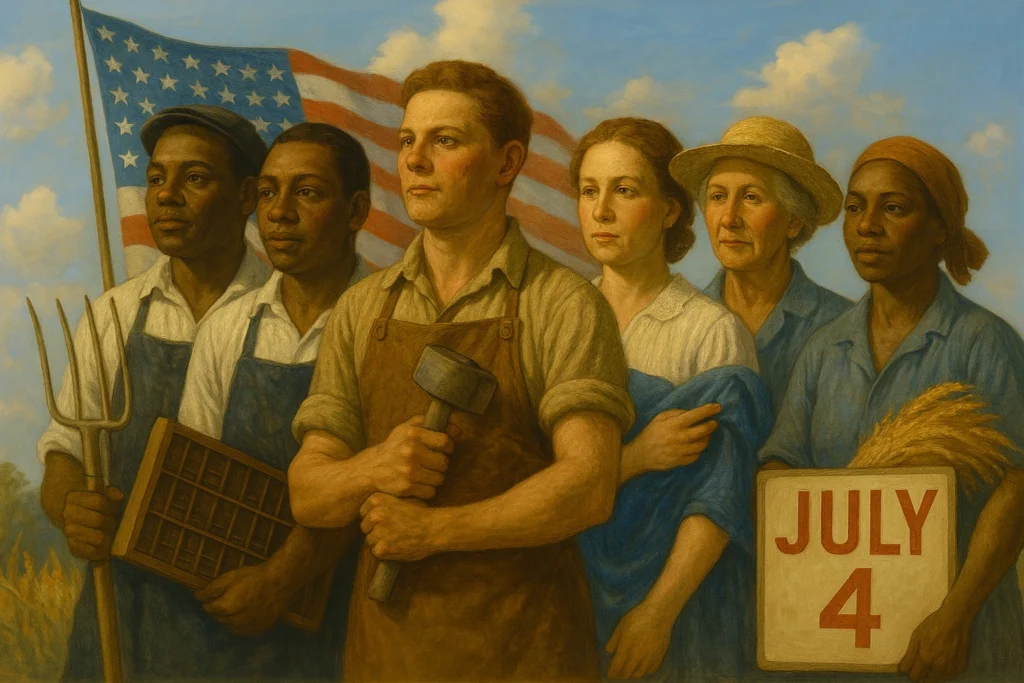
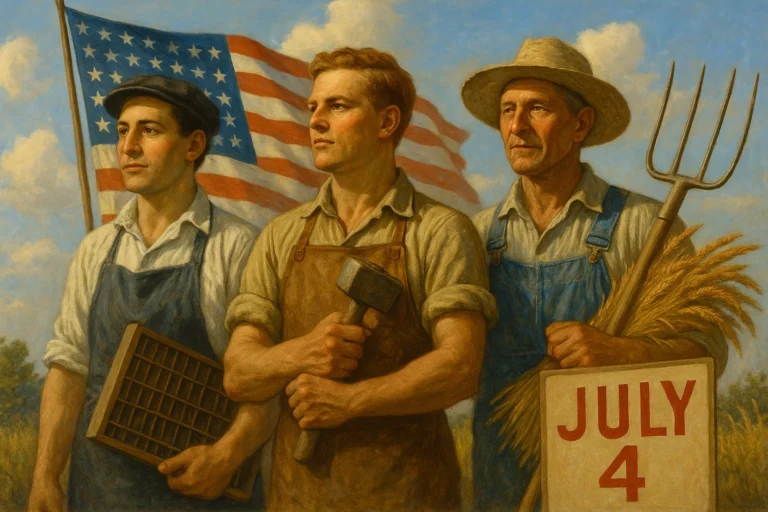
Fireworks, barbecues, flags, and founding fathers — every 4th of July, America celebrates the birth of their nation with patriotic pride. But beyond the familiar names of Washington, Jefferson, and Franklin lies a much broader, often forgotten cast of characters who helped make independence possible.

The Declaration of Independence, adopted on July 4, 1776, was more than just a political break from Britain. It was a revolutionary idea: that power should come from the people, that all are created equal, and that certain rights are unalienable. These ideals would ripple far beyond America, inspiring revolutions in France and Latin America and redefining the meaning of liberty around the world.
But the American Revolution wasn’t just shaped by philosophers and generals. It was also forged by enslaved people, teenage messengers, disguised soldiers, and unsung patriots who risked everything without ever expecting their names to appear in history books.
James Armistead Lafayette – The Spy Who Helped Win the War
Born into slavery in Virginia, James Armistead volunteered for the Continental Army — not to fight with weapons, but to gather intelligence. Posing as a servant loyal to the British, he infiltrated enemy camps and earned the trust of General Cornwallis.
His reports directly contributed to the American victory at Yorktown in 1781. After the war, with help from the Marquis de Lafayette, Armistead gained his freedom — and added “Lafayette” to his name in gratitude.

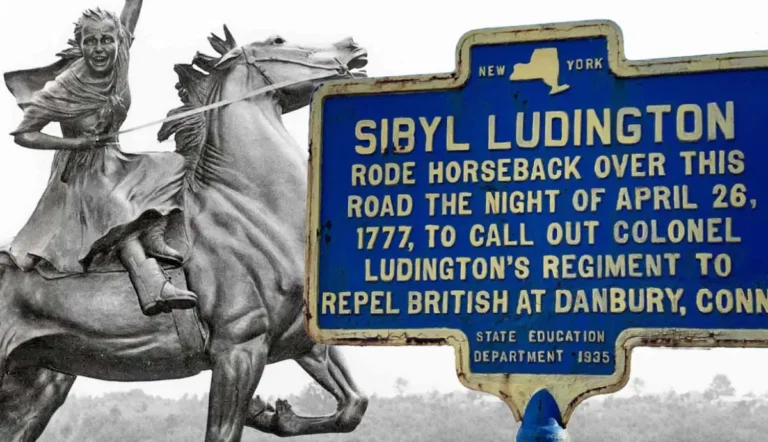
Sybil Ludington – The Teen Who Rode Into History
You’ve heard of Paul Revere, but Sybil Ludington deserves a spotlight too. At just 16 years old, she rode 40 miles through the night in upstate New York to warn colonial forces of a British attack — nearly twice the distance Revere covered.
Her bravery helped rally troops in time to defend against the British. Though her story was largely overlooked for years, she stands today as a symbol of the many young women who played critical roles in the Revolution.

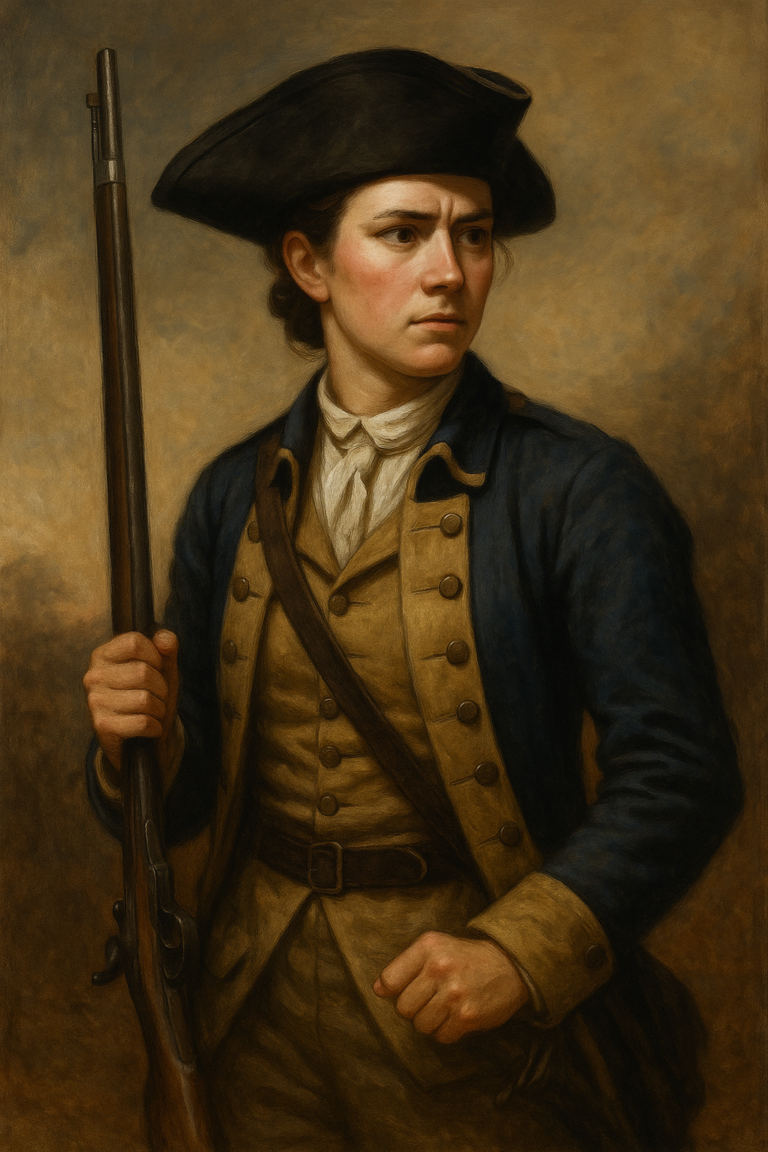
Deborah Sampson – The Woman Who Became a Soldier
In an era when women were banned from serving in the military, Deborah Sampson cut her hair, disguised herself as a man, and enlisted under the name Robert Shurtliff. She fought bravely, suffered wounds, and managed to keep her secret for more than a year.
When her true identity was revealed, she was honorably discharged. Years later, Congress granted her a pension — one of the first women in U.S. history to receive veteran benefits.

Native American Nations – Allies, Betrayed
Indigenous tribes had their own complex stake in the Revolution. Some, like the Oneida, sided with the colonists. Others, like the Mohawk under Joseph Brant, allied with the British in hopes of protecting their lands.
Regardless of their choices, most tribes were eventually pushed aside. The new U.S. government broke promises, seized lands, and advanced westward at their expense — a tragic outcome for many who fought or negotiated in good faith.
The Collective Heroes – Printers, Sailors, Farmers, and More
The Revolution was more than battles and declarations. Everyday people helped win independence in quieter, riskier ways:
Patriot printers like Mary Goddard, who boldly published the Declaration with the signers’ names, risking arrest for treason.
Black sailors and dockworkers, many of whom joined the fight with little hope of recognition or reward.
Craftspeople and seamstresses, like Betsy Ross, who supported the troops by making flags, tents, and uniforms.
Farmers and shopkeepers who donated goods, housed soldiers, or joined local militias without pay.

Why These Stories Matter
Recognizing these statue-less heroes doesn’t diminish the Founding Fathers — it completes the picture. The fight for American independence wasn’t the work of a few great men. It was a messy, brave, collective effort that stretched across race, gender, and class.
So this 4th of July, as we honor the birth of a nation, let’s also remember the countless people whose courage helped shape its soul — even if history left their names off the monuments.

How to Perform a Pre-Trip Inspection: A Guide for Truck Drivers
A pre-trip inspection is one of the most important procedures for any truck driver.

Best Road Tunnels to Visit in the USA
Some cut through towering mountain ranges, while others pass beneath rivers, bays, and major urban centers: these are the best road tunnels.

How Many Miles Does the 2026 World Cup Move?
With host cities located more than 2,800 miles apart, the 2026 FIFA World Cup is testing one of the most ambitious logistics operations in sports history.

The History of Soccer: From an Ancient Game to the World’s Most Popular Sport
Soccer is much more than a sport, it’s a passion that brings together cultures, generations, and entire nations.

Truck Accident Compensation: Economic, Non-Economic, and Punitive Damages
In addition to physical injuries, victims of truck accidents often face emotional trauma and financial hardships that affect their quality of life.

U.S. Dismantles Chinese Espionage Network: Transportation Is at Risk
The seizure of 13 internet domains allegedly used for espionage linked to China has once again highlighted growing cybersecurity concerns. Experts warn that transportation and logistics companies are becoming increasingly attractive targets because of the critical information they manage regarding cargo, routes, and supply chains.