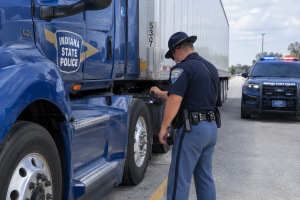
Long driving hours, strict schedules and adverse road conditions contribute to a constant load of stress and fatigue
Driving stress can arise from various sources and significantly impact our experience behind the wheel. Truck drivers, in particular, face daily stressors due to job demands. Long hours on the road, strict schedule adherence, heavy traffic, and adverse road conditions contribute to a constant burden of tension and fatigue. This ongoing stress can have a significant impact on their physical and emotional health, leading to issues like hypertension, sleep disorders, and anxiety. Furthermore, accumulated stress can negatively affect their mental well-being, causing irritability and difficulty concentrating.
It is crucial for truck drivers to adopt relaxation techniques and stress management strategies, such as deep breathing exercises, regular breaks, and mindfulness practices, to help mitigate these effects and improve their overall quality of life.

Stress-free driving techniques
Reducing stress while driving not only makes the journey more enjoyable but also enhances safety for yourself and others. By adopting simple and proactive strategies in daily commutes or long trips, you can transform your driving experience into a much calmer one.
Stay alert and rested
Fatigue increases irritability and slows reaction times. Ensure you are well-rested before getting behind the wheel and take sufficient breaks during long journeys.
Route planning
Typically, truck routes are organized based on scheduled deliveries. However, planning alternate routes to avoid traffic or accidents can save time and reduce daily stress. Using real-time navigation apps and following their suggestions can improve driving flow and alleviate the mental burden of navigating on the go.

Relaxing music or audiobooks
Carefully chosen music or audiobooks can significantly enhance the driving experience. Research shows that relaxing music not only lowers heart rate and stress levels but also enhances concentration, helping you stay more alert. Audiobooks are perfect for those times when traffic feels endless.
Breathing exercises
If you feel overwhelmed on the road, take a moment to do breathing exercises to help calm yourself. These exercises can be done while driving, always maintaining your focus on the road. Simply breathe deeply, hold the breath for a few seconds, and then exhale slowly. Repeat this process until you feel your heart rate decrease.
Implementing technology in travel
GPS technology and real-time traffic updates have revolutionized driving. Besides, driver assistance features like adaptive cruise control, lane-keeping assistance, and emergency automatic braking, improve safety and reduce fatigue and stress.

Adopting practices such as mindful breathing, enjoying relaxing music, or using technology to monitor traffic are active steps you can take as a driver to ensure a smoother journey. From utilizing navigation apps to avoid congestion to leveraging driver assistance features for smoother driving, each action you take can significantly reduce stress while behind the wheel.

World Laughter Day: Can laughter really make you healthier?
World Laughter Day is celebrated to promote joy, mental well-being, and connection among people through something as simple as laughing. Are the effects real?

Operation Safe Driver Week 2026 targets risky driving behaviors
Operation Safe Driver Week, organized by the CVSA, is a safe driving awareness and outreach initiative focused on drivers in the United States, Canada, and Mexico.

How Weather Is Reshaping Risk on U.S. Trucking Routes
Extreme events, emerging risk zones, and a growing impact on operations, costs, and insurance across the freight industry.

U.S. 250th anniversary celebrations take to the rails
Commemorative locomotives take the rails for United States’ 250th anniversary

In brief: rail crossing safety, California autonomous trucks, and CDL laws
From rail crossing safety to autonomous trucks and CDL laws, these are the key U.S. updates in transportation.

USDOT drives logistics hubs through the Regional Infrastructure Accelerators (RIA) program
USDOT strengthens its logistics hubs strategy through the Regional Infrastructure Accelerators (RIA) program, designed to unlock projects, enhance intermodal connectivity, and accelerate critical infrastructure for freight transportation across the United States.