A list of the seven states with the poorest quality roads in the United States
The United States has an extensive network of roads connecting its states. However, not all roads are equal in terms of quality and safety for drivers. Based on data shared by the U.S. Federal Highway Administration, ConsumerAffairs has conducted a comprehensive analysis of the states known for offering the worst roads in the country.
Below are the seven states with the poorest quality roads in the United States:
7. Massachusetts
Despite the state’s considerable spending on roads, approximately 31% of its urban roads are in poor condition. Coastal topography and associated challenges such as bridges and old roads in Cape Cod contribute to this situation. The annual spending on road improvements is $3.330 billion, and the rate of fatalities per 100 million kilometers traveled is 0.63.

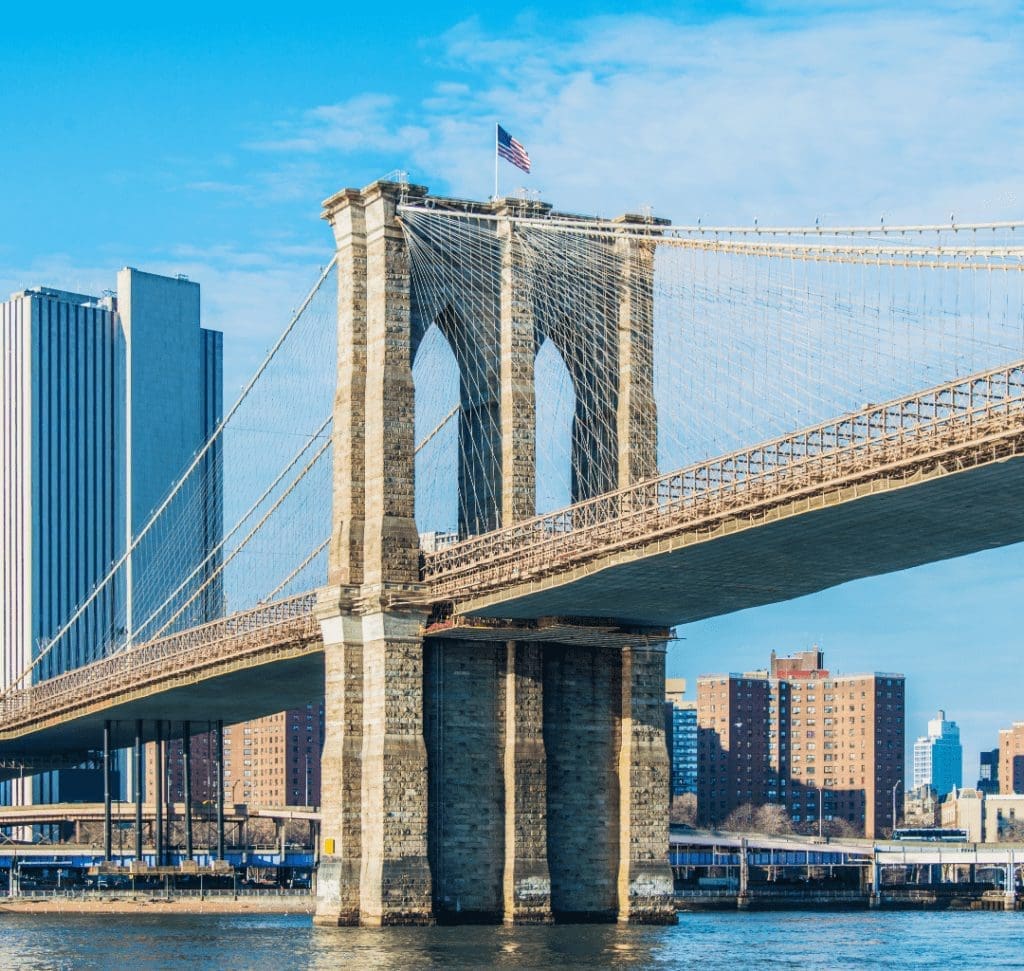
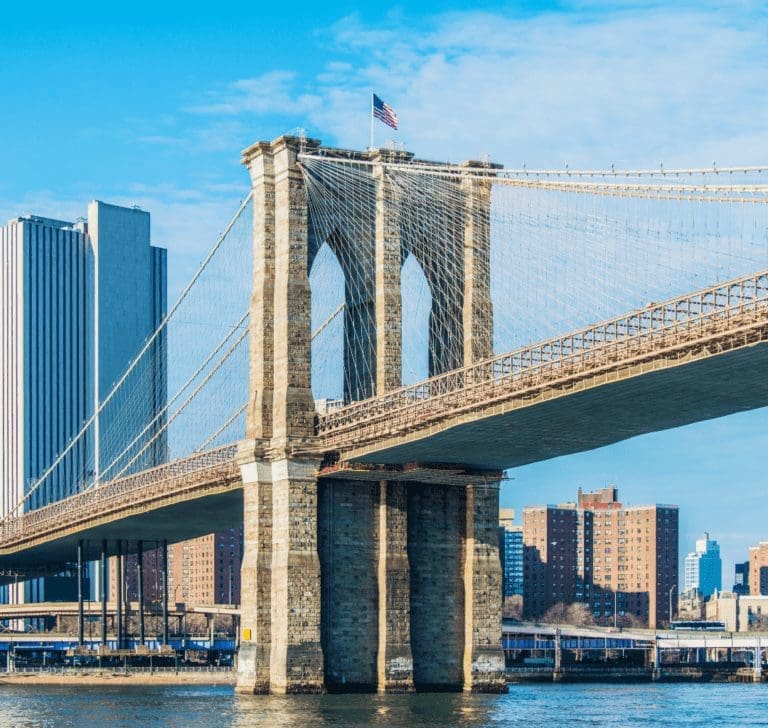
6. New York
New York City leads in infrastructure budget nationally, with over $24 billion annually, but only half of this amount is allocated to road improvement. The percentage of roads in poor condition is 30%; moreover, the rate of fatalities per 100 million kilometers traveled is 1.02.

5. Wisconsin
In Wisconsin, 28% of urban roads are in poor condition, while only 6% of rural roads share the same condition. Transportation funding has been a persistent challenge, with local municipalities struggling to maintain and improve roads due to budget constraints. Annual spending on road improvements reaches $3.926 billion, and the rate of fatalities per 100 million kilometers traveled is 1.07.

4. Louisiana
A quarter of urban roads in Louisiana are in poor condition, and the state also has the fifth-highest rate of motor vehicle deaths per mile traveled in the country. This is reflected in the high cost of car insurance in Louisiana, which is the second highest nationally, with an average annual premium of $2,546, 51% higher than the national average. The rate of fatalities per 100 million kilometers traveled is 1.71.

3. California
Despite a considerable annual expenditure for roads exceeding $21 billion, California only manages to keep just over half of its urban roads in acceptable conditions. The extent of its coastline, spanning 840 miles, along with the large number of urban and rural road miles, contributes to this challenge. The rate of fatalities per 100 million kilometers traveled is 1.28. An alarming 44% of urban roads are in poor condition, despite the annual spending of $14.981 billion.

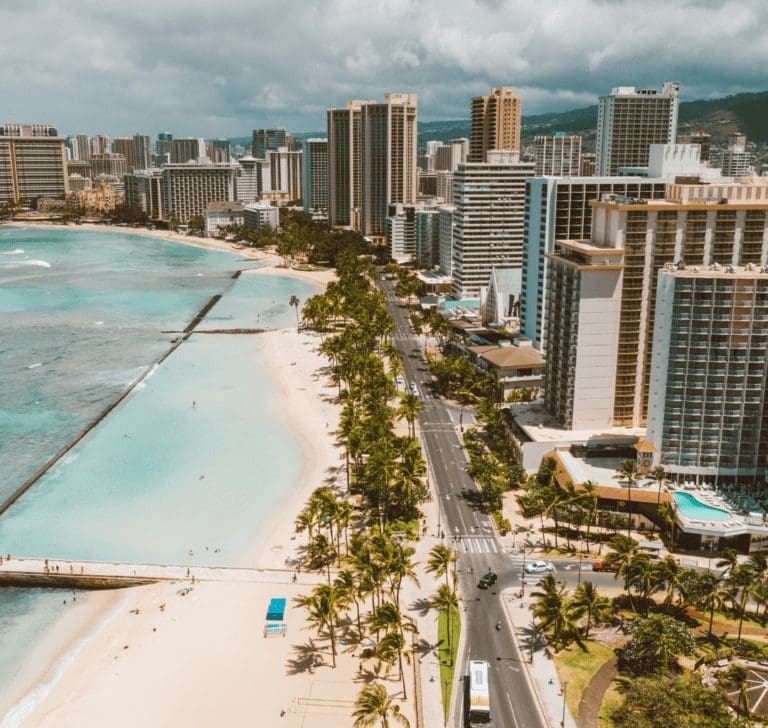
2. Hawaii
In Hawaii, roads face challenges due to the extensive coastline, rock slides, flash floods, and the impact of tourism, with 9 million annual visitors. This is reflected in the condition of the roads: 26% of urban roads and 17% of rural roads are in poor condition. Hawaiian residents express that funding shortages persist, reporting pothole-ridden roads and limited capacity to repair them. The rate of fatalities per 100 million kilometers traveled is 0.968.

1. Rhode Island
Rhode Island has the smallest budget for road expenses in the entire country, which must cover over 6,000 miles of public roads in this state, the second smallest in the United States. The proximity of most residents to the coast could contribute to the fact that 41% of urban roads are in poor condition. The rate of fatalities per 100 million kilometers traveled is 0.976. Annual spending on road improvements is $537.729 million.


Is It Worth Being a Truck Driver in the U.S. in 2026?
Becoming a truck driver in the United States means access to competitive pay and strong labor demand, but it also requires accepting time away from family, physical strain, and a lifestyle that isn’t for everyone.

Operation SafeDrive: Nearly 2,000 Truckers and Vehicles Taken Out of Service in Three Days
Operation SafeDRIVE triggered thousands of inspections across 26 states and Washington, D.C., leading to disqualified drivers, sidelined equipment, and arrests while reinforcing a stricter enforcement environment for the trucking industry.

Super Bowl LX: The Logistics Behind the Patriots–Seahawks Showdown
Super Bowl LX, featuring the New England Patriots and the Seattle Seahawks, is far more than the NFL’s championship game. It involves one of the most complex logistics operations in the world, with hundreds of trucks, ultra-precise technical production, layered security controls, and an industrial-scale deployment that turns Levi’s Stadium into a temporary city for 72 hours.

Job cuts surge in January, weighing on transportation
January saw one of the largest waves of job cuts since 2009 across multiple sectors in the United States. January saw one of the largest

Federal Reserve: rates remain unchanged with caution amid a solid economy
The United States Federal Reserve decided to keep interest rates unchanged, in line with market expectations. In the latest episode of the Mercado Sobre Ruedas

DOT Grants Historic License for Deepwater Oil Export Port
The license issued by the U.S. Department of Transportation (DOT) to the Texas GulfLink project strengthens America’s energy export infrastructure and signals new growth for industrial logistics and heavy-duty trucking.