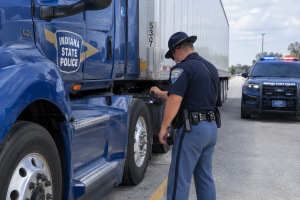
Choosing a policy that includes liability insurance not only protects you but also others
Liability insurance is essential in any vehicle policy as it covers expenses in the event of accidents resulting in bodily injury or property damage to other drivers, their passengers, or pedestrians. Having adequate liability coverage helps avoid penalties and fines, as well as personal responsibility for costs related to an accident for which one is at fault, including property damage or personal injuries.
Additionally, liability insurance coverage includes medical expenses and property damage for those involved in the accident who are not at fault. Liability insurance comes in two forms:
- Bodily Injury Liability (BI) insurance covers medical expenses and lost wages for the other driver, their passengers, and any pedestrians injured in an accident.
- Property Damage Liability (PD) insurance covers repair or replacement costs of damaged property, which may include another person’s vehicle as well as other property.

Why is liability insurance important?
The importance of liability insurance lies in its crucial role in covering third parties in case you are responsible for an accident. However, liability insurance typically has coverage limits that vary based on various factors; nearly all states have minimum liability coverage limits for bodily injury and property damage that drivers must carry.
It is important to always have at least the minimum liability insurance required by your state. However, having more coverage can be beneficial to protect your assets. A key advantage of liability insurance is that your insurer will defend you in case of a lawsuit resulting from an accident.

How much coverage is needed?
State-mandated minimum auto liability insurance requirements are typically delineated into three numbers, each separated by a slash. These numbers signify:
- Coverage for bodily injury per person.
- Coverage for bodily injury per accident.
- Coverage for property damage per accident.
The cost of this policy is influenced by several factors such as driving history, type of vehicle, location, age of the driver, and selected coverage limits. Consulting with experts in the field is the best way to acquire comprehensive insurance. Choosing a policy that includes liability insurance not only protects you but also others; remember that safety is a priority.

How Truck Drivers Can Protect Their Skin from UV Rays on the Road
Chronic exposure to UVA rays isn’t just about getting a tan—learn how to protect your skin from the sun’s rays while on the road.

Top Concerns of Fleet Managers in 2026
The J. J. Keller Center for Market Insights has completed its sixth annual study analyzing the key concerns facing fleet management.

How to survive inflation, the biggest challenge for a trucker’s finances
The latest statistics from the U.S. Department of Transportation reveal a challenging scenario, but one that’s not insurmountable. Everything is getting more expensive, including the intelligence of a good transporter.

Where Are Truck Drivers Most in Demand in the United States?
Texas, California, Florida, Illinois, and Georgia lead truck driver demand across the United States as the transportation industry faces a renewed shortage of professional drivers.

Oliver Tree & Gaspi: Tragedy That Highlights Air Traffic Logistics
The deaths of American musician Oliver Tree and Argentine content creator Gaspi in a helicopter collision over Rio de Janeiro have once again raised a critical question for the transportation industry: how to safely manage increasingly congested transportation networks, both in the air and on the ground.

How to Perform a Pre-Trip Inspection: A Guide for Truck Drivers
A pre-trip inspection is one of the most important procedures for any truck driver.