Price increases stemming from the tariffs could cost households an additional $2,400 on average in 2025.
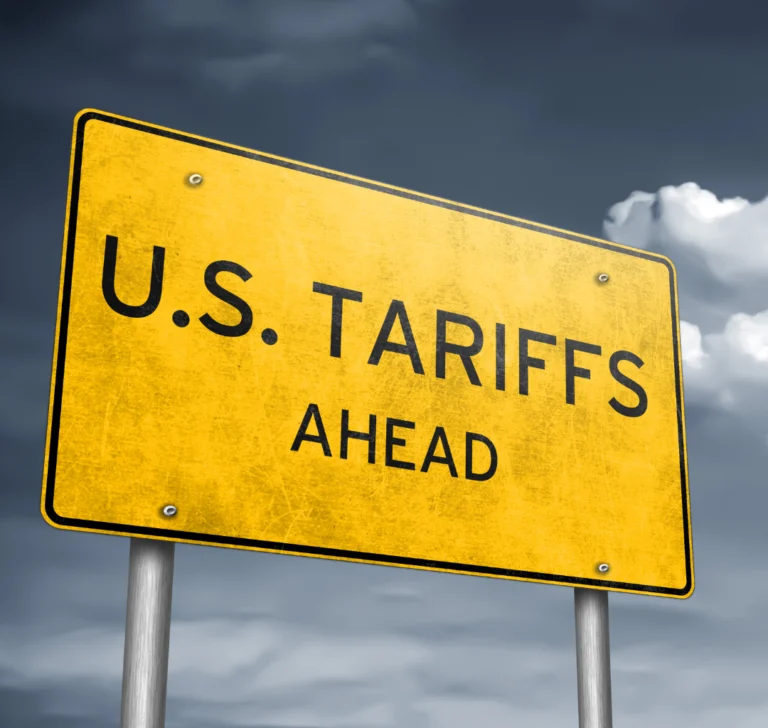
The tariffs announced by President Donald Trump during “Liberation Day” in April will go into effect on August 1st, following multiple delays and months of uncertainty. Over the past four months, various agreements have been reached with the nations affected by these measures, resulting in different tariff rates depending on the country. However, one constant remains: American consumers could end up being the most affected.
According to data from the Yale Budget Lab, price increases stemming from the tariffs could cost households an additional $2,400 on average in 2025. This estimate is supported by an analysis from the Institute on Taxation and Economic Policy, published in April, which notes that households earning $28,600 or less would need to spend 6.2% more of their income due to rising prices. In contrast, families earning at least $914,900 would spend 1.7% more, while middle-income households, those earning between $55,100 and $94,100, would see a 5% increase in their spending relative to income.

New tariff rates: what’s the outcome?
In the lead-up to August 1st, the Trump administration has begun applying new tariffs targeting specific countries, while continuing to negotiate trade deals. Recent measures include a 90-day extension for Mexico, a 15% tariff on imports from South Korea, and a steeper 25% levy on goods from India. In addition, key U.S. trading partners will face significant tariffs, such as Canada, whose exports will be subject to a 35% tax.
President Trump suggested that tariff rates would not fall below 15% in any agreement and stated that countries would face “a straight and simple tariff between 15% and 50%,” reserving the highest rates for nations “we haven’t exactly gotten along with,” according to Forbes.
Although the U.S. president claims the tariffs will generate billions in revenue and are part of a strategy to incentivize domestic manufacturing, there are already signs that they are driving up prices for consumers.

Price increases in food, clothing, automobiles, and more
Economists believe it will take some time before American shoppers fully feel the impact of the price hikes, but the increases are already being seen. According to information shared by the BBC and analyzed by the Yale Budget Lab, here are the goods and services affected by the tariffs, leading to higher prices for American consumers:
1. Clothing and footwear
Countries like China, Vietnam, and Bangladesh, the top exporters of apparel to the U.S., will face tariffs of 35%. Major retailers like Target and Walmart, as well as brands like Nike and Levi’s, are under pressure to raise prices due to rising raw material costs. As a result, the Yale Budget Lab estimates that clothing prices could increase by up to 37% in the short term.
In addition, leather will be subject to a 39% tariff increase, directly affecting the prices of products like shoes, handbags, jackets, and other leather goods, according to the same report.
2. Food and beverages
Tariffs will significantly impact imported foods like coffee, olive oil, and fresh produce. Brazilian coffee will face a 50% tariff, Vietnamese coffee 20%, and products from the European Union, such as Italian, Spanish, or Greek olive oil, 15%, according to the BBC. Fresh products like tomatoes and avocados from Mexico will also be hit with new tariffs. The Yale Budget Lab projects a general 3.4% increase in food prices, with a sharper rise expected for fresh items.
In addition to food, alcoholic beverages will also become more expensive. Aluminum tariffs are driving up the price of canned Mexican beers such as Modelo and Corona, which could impact consumers, given that over 64% of beer in the U.S. is consumed in cans.

3. Automobiles and vehicles
A 25% tariff was imposed on imported vehicles and auto parts. While car prices haven’t seen major spikes yet, largely because companies have absorbed much of the added cost, this could change if expenses continue to rise. Furthermore, the tariffs may hurt U.S. automakers who rely on foreign parts or assemble cars outside the country, putting them at a disadvantage compared to international competitors, the BBC reported.
4. Housing
The Trump administration has increased the cost of key construction materials like steel and even wood. This has raised concerns from the National Association of Home Builders (NAHB), which warns that these measures could drive up homebuilding costs and slow new construction. Canada, a major supplier of these materials, may face a 35% tariff, further exacerbating the issue.
5. Fuel and energy
According to BBC analysis, the new European agreement will boost U.S. energy exports, replacing Russian gas and oil with cheaper American liquefied natural gas (LNG), oil, and nuclear fuels. While Trump has generally exempted oil and gas imports from tariffs, he has imposed a 10% tariff on energy imports from Canada, the U.S.’s largest foreign crude supplier. Given that U.S. refineries are designed to process heavier crude, most of which comes from Canada and, to a lesser extent, Mexico, any retaliatory move by Canada could reduce supply and drive up fuel prices in the U.S.

Forbes also reports that back-to-school shopping will be impacted by price hikes, with electronics such as computers and tablets expected to rise by 18.7% in the short term.
Despite these increases, the Trump administration projects that the tariffs will generate approximately $2.9 trillion in revenue over the next decade. According to the Tax Foundation, as much as $2.5 trillion could be collected, assuming all tariffs withstand legal challenges.

Wall Street Record: Transportation Stocks Boost Confidence in the Economy and Logistics
Transportation stocks in the United States have staged a strong rally so far in 2025, reflecting growing market confidence in the real economic activity behind logistics, freight movement, and mobility services more broadly.

The meaning of Hanukkah and how to celebrate it on the road
Hanukkah is a celebration of resilience and hope, and here are some ways you can take this on the road. December is one of the

Waymo under investigation for potential safety risk in school zones
A recent wave of videos has shown that some Waymo vehicles are not complying with safety regulations in school zones. The autonomous vehicle company Waymo,

Don’t Blame the Snow: The Real Causes Behind Winter Truck Accidents
Don’t Blame the Snow: Why Most Winter Truck Accidents Are Preventable

Mexico aligns with U.S. as new tariffs target Asian imports
Mexican lawmakers gave their final approval to the new tariffs on Asian imports, largely aligning themselves with the United States’ efforts to tighten trade barriers

Seven charged in New York CDL fraud case involving DMV employees
A group of DMV employees in New York allegedly manipulated the process of obtaining commercial driver’s licenses by allowing applicants who never showed up to