Every September, America’s trucking industry pauses to celebrate the more than 3.5 million professional truck drivers who keep goods moving across the nation.
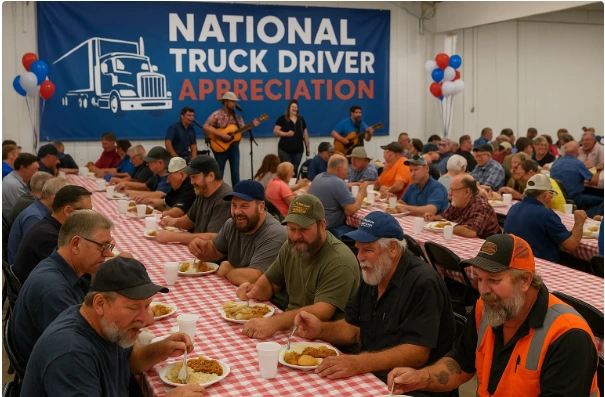
In the 2025 edition of National Truck Driver Appreciation Week (September 14–20), this recognition went beyond words and hashtags. Across the country, drivers were treated to free meals, community cookouts, on-site celebrations, and surprise giveaways at weigh stations and terminals.
Barbecues and Free Meals in South Dakota
One of the standout events took place in South Dakota, where DAT Freight & Analytics hosted two days of free barbecues for drivers. The gatherings were held at Coffee Cup Fuel Stops in Brandon and Hartford, drawing long-haul truckers and local drivers alike.
Truckers enjoyed outdoor lunches and dinners in a friendly, community atmosphere. Alongside the hot meals, organizers handed out promotional items and small gifts. What might have been just another day on the road turned into a festive break where drivers could connect with each other. According to organizers, the goal was not only to thank drivers for their essential work but also to create a space of camaraderie in a profession often marked by isolation.
Weigh Stations Turned into Celebration Hubs
In several states, weigh stations—normally known for inspections and regulatory checks—were transformed into appreciation hubs. Truck drivers arriving at these facilities were met with hot meals, snacks, coffee, and complimentary gift bags.
Transportation officials and volunteers joined in to serve food and hand out items. Beyond boosting morale, the events also reinforced the importance of safety, showing drivers that state agencies and the public recognize their hard work. For many drivers, the gesture was a refreshing change of pace during long and demanding shifts.

Private Fleets and Carriers Join the Effort
Trucking companies and private fleets also stepped up to honor their teams. Many hosted cookouts at company yards, offering free breakfasts, lunches, and dinners to employees. Some fleets added extra perks: fuel card raffles, giveaways of useful cab equipment, and on-site health screenings to support driver wellness.
In several terminals, company executives made a point to be present. They used the opportunity to meet face-to-face with drivers, listen to their concerns, and personally thank them for their dedication. For many fleets, the week wasn’t just about giving back—it was about strengthening ties between drivers and office staff, building a stronger sense of belonging within the organization.
More Than Just Symbolic Recognition
This year’s theme, “From Highways to Homes: We Appreciate Truck Drivers,” highlighted the vital link between life on the road and everyday life in America. Every meal, medicine, and household product depends on the work of truck drivers.
The celebrations underscored that appreciation is more than a quick “thank you” online. By offering real meals, community gatherings, and practical support, the industry showed that it values the health, well-being, and morale of those behind the wheel. In a profession where long hours, stress, and time away from family are constant challenges, these tangible gestures offered both relief and encouragement.
Raising Awareness for an Essential Industry
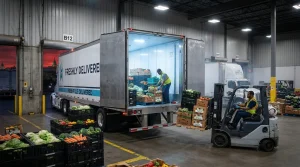
Beyond honoring drivers, National Truck Driver Appreciation Week serves an important educational role. For the broader public, it’s a reminder of how much modern life relies on trucking—from fuel deliveries to stocked grocery store shelves.
Organizers emphasize that many Americans take the work of truck drivers for granted. This week helps put a spotlight on their contribution. As the American Trucking Associations (ATA) often note, truck drivers are the backbone of the U.S. economy.
A Tradition That Continues to Grow
Each year, National Truck Driver Appreciation Week expands with more participants, more activities, and more ways to recognize drivers. In 2025, the free barbecues, weigh station celebrations, and fleet cookouts showed that the industry is committed not only to saying “thank you,” but to backing those words with meaningful action.
At the end of the week, what stood out were not the online tributes but the real-life moments: drivers sharing a meal at a roadside BBQ, sipping coffee offered at a weigh station, or opening a small gift bag that brightened a long day.
For the men and women who keep America’s supply chain running, those moments of appreciation carry lasting value—and remind us all that every delivery comes with a story of dedication on the open road.

Human Trafficking: A Nationwide Call to Action on America’s Roads
Human trafficking is the focus of a nationwide awareness week aimed at educating truck drivers, motor carriers, law enforcement, and the public about human trafficking, how to spot the warning signs, and what to do if someone may be in danger.

TAA Compliance: When Safety Complaints Turn Into Six-Figure Losses
STAA compliance is no longer a technical detail for fleet owners—it is a financial, legal, and insurance exposure. A recent enforcement action in Texas shows how mishandling safety complaints can lead to termination claims, retaliation findings, and six-figure penalties, and what carriers must do to avoid becoming the next case

U.S. labor market raises red flags on Wall Street
The U.S. labor market closed 2025 with clear signs of weakening, as evidenced by the latest employment data released in December. In the latest episode

DOT finds half of North Carolina CDLs were issued illegally
The DOT warns that half of North Carolina’s CDL licenses are irregular after a federal audit uncovered serious compliance failures. The findings directly affect truckers, fleets, and transportation companies, raising urgent questions about road safety, legal operations, and the future of the trucking industry.

California’s Unhealthy Air: Impacts on Trucking and Freight
Unhealthy Air Quality in California: What Repeated Pollution Alerts Mean for Trucking and Freight Operations

Global Road Freight on Track to Hit USD 5 Trillion by 2033
Global Road Freight on Track to Hit USD 5 Trillion by 2033 as e-commerce growth, supply chain restructuring, and technology adoption accelerate demand for road-based cargo transport worldwide.