 Hable con un agente al (888) 572-7520
  Enviar mensaje a un agente



 Trucking in the 1920s: The Birth of an Industry
 Trucking in the 1920s: The Birth of an Industry
A hundred years ago, the trucking industry was in its infancy, navigating a rapidly changing landscape shaped by technological innovation, economic shifts, and evolving infrastructure. The 1920s marked a pivotal decade in the transformation of trucking from a niche mode of transport into a vital part of American commerce.
Early Technology and Vehicle Design
 Early Technology and Vehicle Design
Trucks in the 1920s were a far cry from the powerful, streamlined machines we see today. Most were equipped with gasoline engines, though diesel engines—25–40% more efficient—began to emerge later in the decade. These early trucks featured six-cylinder engines, power-assisted brakes, and rudimentary steering systems. Semi-trailers were introduced, allowing for heavier loads and more efficient transport. However, the vehicles were still relatively slow, unreliable, and limited in range.
Infrastructure Challenges
 Infrastructure Challenges
One of the biggest hurdles for trucking in the 1920s was the lack of paved roads. Rural routes were often dirt paths, making long-distance hauling difficult and dangerous. The expansion of road networks during this period helped alleviate some of these issues, but it wasn’t until the 1950s that the Interstate Highway System revolutionized freight transport.

Economic Expansion and Small Business Growth
 Economic Expansion and Small Business Growth
The 1920s saw a boom in small businesses, many of which relied on trucks to expand their reach beyond local markets. Mom-and-pop stores began using trucks to deliver goods to neighboring towns, helping to decentralize commerce and reduce reliance on railroads. This shift allowed for more flexible and responsive supply chains, laying the groundwork for modern logistics.
Prohibition and the Underground Economy
 Prohibition and the Underground Economy
Interestingly, the Prohibition era (1920–1933) gave trucking an unexpected boost. Trucks became essential tools for the illegal transport of alcohol, often hidden in cargo and driven across state lines under the radar of law enforcement. This underground economy fueled demand for trucks and helped spread their use across the country.
Regulation and Standardization
 Regulation and Standardization
As trucking grew, so did the need for regulation. By the late 1920s, states began implementing weight limits to protect fragile road surfaces from damage caused by heavy vehicles with iron and solid rubber wheels. In 1935, the Motor Carrier Act introduced federal oversight, including safety standards and hours-of-service rules, marking the beginning of formal regulation in the industryapexcdl.com.

Legacy and Impact
 Legacy and Impact
The 1920s were a foundational decade for trucking. Despite technological limitations and infrastructure challenges, the industry laid down roots that would support its explosive growth in the decades to come. Trucking began to shift freight movement away from railroads, offering more direct and flexible delivery options. It also played a key role in shaping the American economy, enabling businesses to reach new markets and consumers to access goods more easily.
From dusty roads and rudimentary engines to bootlegging and burgeoning commerce, trucking in the 1920s was a gritty, transformative era. It was the beginning of a journey that would eventually make trucks the backbone of American logistics.
.jpg)

How 36 Years of Construction Built America’s Interstate Highway System
How long did it really take the U.S. to build the Interstate Highway System?
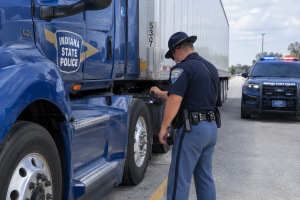
Indiana Detects Violations During Oversized Load Enforcement Operation
The operation involved state troopers and motor carrier inspectors working together to verify trucks transporting oversized loads in Indiana.

DOT Brings Freight Leaders Together to Reduce Cargo Delays
More than 54 million tons of goods move through the U.S. freight network every day. The DOT brought together over 100 industry leaders to reduce delays and logistics costs through its FLOW program

Pythons Spread to New Areas of Florida, Posing a Challenge for Trucking
The discovery of a new breeding population in Charlotte County, near I-75 and US-41, raises potential concerns for truck drivers, trailers, and logistics facilities across Florida. How these invasive snakes could hitch a ride in commercial vehicles.

Nevada’s Runaway Ramps Save Lives
Runaway ramps on highways help stop vehicles experiencing brake failure, saving lives on the road.

California Highway Patrol Inspections: What They Check on Commercial Trucks and How to Prepare
Learn what the California Highway Patrol checks on commercial trucks in California, including brakes, tires, documents, hours of service, and safety.
 Business hours: Monday to Friday from 8:00 AM to 5:00 PM. California time