The Transportation Infrastructure Finance and Innovation Act (TIFIA) aims to modernize roads across the country. From now on, all types of eligible projects will be able to finance up to 49% of their costs, a significant increase from the previous cap of 33% for most cases.
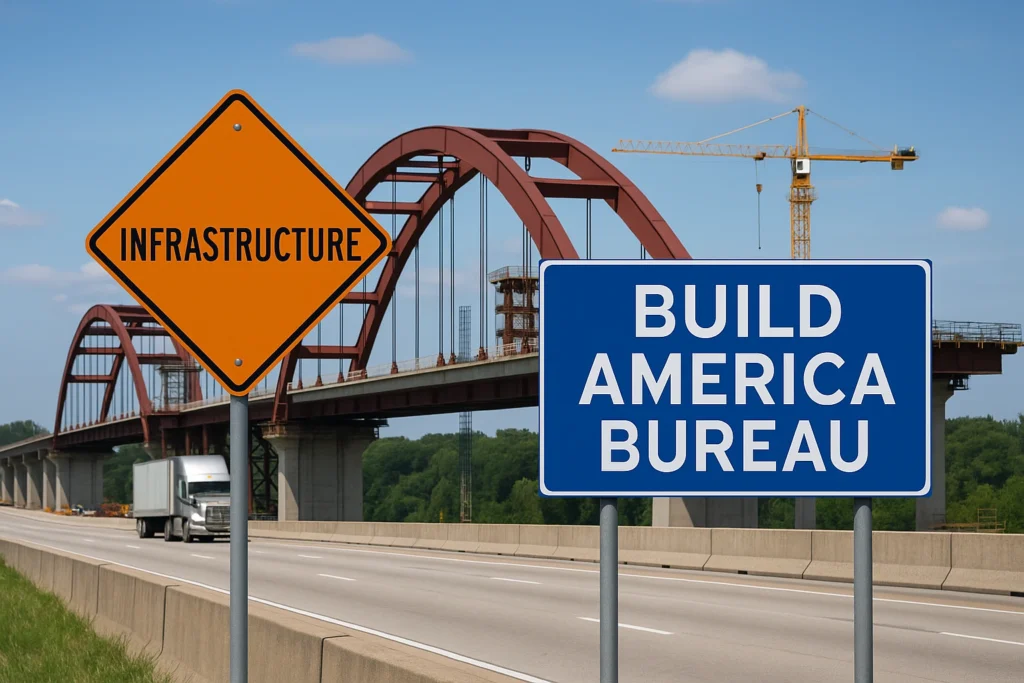
The U.S. Department of Transportation (USDOT), through its Build America Bureau, has updated its infrastructure financing policy, eliminating a long-standing restriction that limited access to TIFIA loans. As of this change, all transportation projects—regardless of type—can now finance up to 49% of eligible costs, up from the 33% cap that applied to most initiatives.
This move is designed to speed up project delivery, reduce financing costs, and optimize the use of federal funds—allowing more communities to access modern infrastructure without unnecessary delays or bureaucratic red tape.
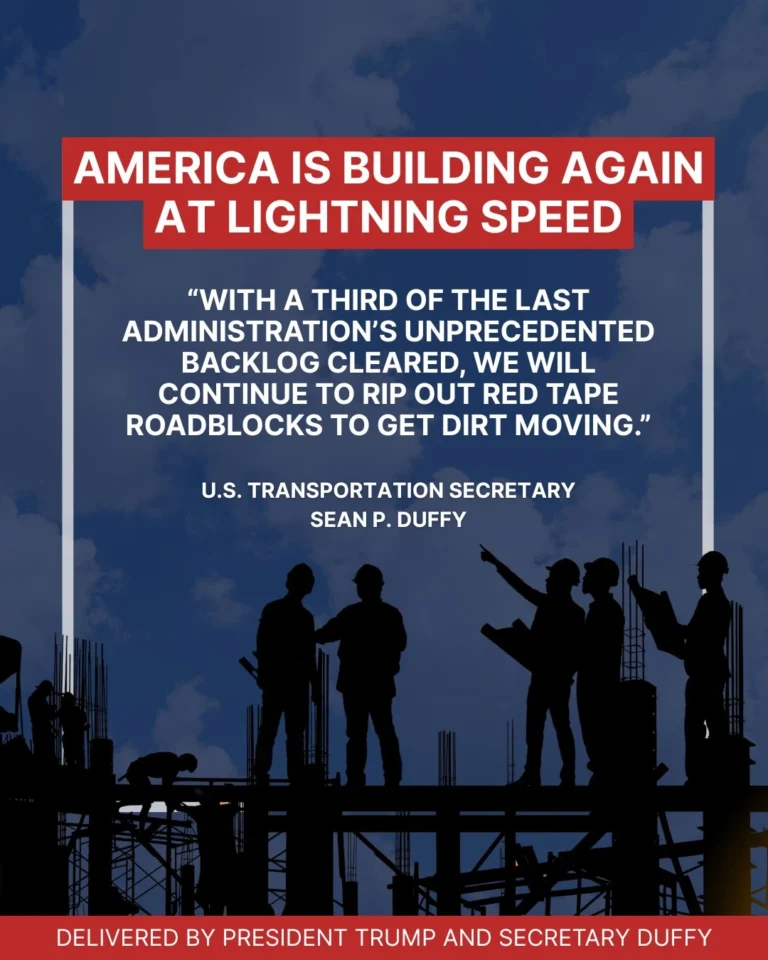
“Unleashing the full potential of the TIFIA program is another step toward getting America building again. We’re making infrastructure easier, faster, and cheaper,” said Transportation Secretary Sean P. Duffy.
What is the TIFIA program and why does it matter?
TIFIA provides long-term, low-interest federal loans for eligible public and private infrastructure projects. Since its creation, it has supported over $150 billion in infrastructure investment, delivering more than $52 billion in direct loans.
Although the statute has allowed TIFIA loans to cover up to 49% of reasonably anticipated project costs since 2012, an internal DOT policy had capped most loans at 33%. That restriction has now been lifted following extensive technical analysis, successful pilot programs, and a clear assessment showing low risk to taxpayers.

What’s changing with this update?
All eligible transportation projects — including highways, bridges, rail, and both urban and rural infrastructure — can now receive up to 49% financing through TIFIA.
This update allows for more equitable and streamlined access to low-cost financing, without needing special waivers or exceptions.
It reduces dependency on federal grants, freeing up funds for other national priorities.
The Bureau’s internal processes will be more efficient, allowing faster reviews and approvals of more projects.
“We’re modernizing a critical program that has already helped many communities get the infrastructure they need for less money,” said Morteza Farajian, Ph.D., Executive Director of the Build America Bureau.
This reform builds on initiatives launched since 2018—such as the TIFIA Rural Projects Initiative and transit-oriented development programs—which demonstrated that increasing financing limits does not translate into increased risk for taxpayers.
How does this improve life for freight truckers?
This policy update will have a direct impact on the quality of life and working conditions for truck drivers and logistics operators:
More road projects will break ground and reach completion faster, meaning fewer delays due to incomplete work, smoother pavement, and improved road safety.
It is expected to reduce traffic chokepoints and high-risk zones, especially along rural highways and key interstate freight routes.
Easier access to financing will support the modernization of bridges, intersections, and logistics corridors, benefitting truckers and freight companies that rely on them daily.
It could also mean lower vehicle maintenance costs due to better road conditions, and reduced accident exposure.
In a context where operating costs and logistics demands are rising, this kind of modern and efficiently financed infrastructure is real relief for drivers and for the entire supply chain.
What does this mean for local governments and private developers?
With this change, states, municipalities, and private developers have stronger incentives to move forward with large-scale infrastructure projects. They now have access to a more powerful, predictable, and efficient financing tool. Savings on interest and faster timelines are expected to improve project execution and lower overall construction costs.

Teton Pass bridge will be closed to traffic for 10 days
Teton Pass is one of the most heavily traveled routes for truck drivers in Wyoming, serving as a vital corridor for the trucking industry. The

Terrifying Experiences of Truck Drivers Sleeping on the Road at Night

Cargo theft numbers drop for the third quarter of 2025
The cargo theft tracking company Verisk CargoNet released its report for the third quarter of 2025. The cargo theft tracking company Verisk CargoNet released its

40 major U.S. airports to see flight reductions due to government shutdown
40 U.S. airports, including those in New York, Los Angeles, and Chicago, will see flight reductions starting November 7 due to the government shutdown. 40

DOT Medical Card: Keeping Medical Certification Up to Date
Keeping your DOT Medical Card current is essential for both drivers and fleet operations.
Brake Safety Week 2025 results: almost 85% of commercial vehicles had no violations
Results of Brake Safety Week, organized jointly by the Commercial Vehicle Safety Alliance (CVSA) and the Department of Transportation, have been published. Results of Brake