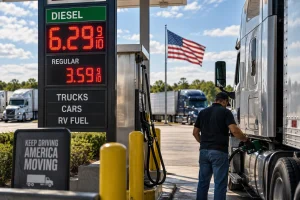
California has taken a significant step toward reducing traffic fatalities by mandating speed assistance technology in all new cars and trucks
A new bill in California has taken a significant step toward implementation, aiming to reduce traffic fatalities by mandating speed assistance technology in all new cars and trucks sold in the state. On August 7, the Assembly Appropriations Committee approved the bill with a vote of 9-4, and Senate lawmakers have already approved it.
Senator Scott Wiener, a Democrat from San Francisco and the proponent of SB961, argues that this measure is crucial for addressing the traffic safety crisis in California, where over 4,000 people die on the roads annually. Speed is a factor in about one-third of these deaths. Wiener highlights the growing concern by noting that traffic fatalities in the state increased by 22% between 2019 and 2022, compared to a 19% increase nationwide.

Passive intelligent speed assistance system
Originally, the bill included a mandate for speed regulators that would limit vehicle speed according to the road’s speed limit. However, after receiving concerns about implementing this technology, the bill was amended to require, instead of speed regulators, a “passive intelligent speed assistance” system. This system will detect the road’s speed limit and provide a brief visual and audible alert to the driver if they exceed the limit by more than 10 mph.
All new vehicles must be equipped with this technology by 2030. Passenger vehicles without GPS or a front camera are exempt from this requirement. Additionally, the bill removed the requirement to include trucks with a gross vehicle weight exceeding 8,500 pounds that are subject to federal vehicle safety regulations.
Todd Spencer, President of the Owner-Operator Independent Drivers Association (OOIDA), has suggested that increased driver training might be a more effective alternative for improving road safety.
SB961 now moves to the Assembly for approval. If it passes, it will need to return to the Senate for approval of the changes before being sent to the governor for final signature.

Jerome Powell under investigation as tensions between Trump and the Fed escalate
The investigation into Powell has raised global concerns over a potential threat to the independence of the U.S. central bank. In the new episode of

Road Alert: 25 States Under Extreme Driving Conditions
Snow, ice, strong winds, and low visibility are keeping major highways under active travel advisories. The alert now affects 25 states and calls for extra caution, especially among truck drivers and freight carriers operating along key corridors.

Human Trafficking: A Nationwide Call to Action on America’s Roads
Human trafficking is the focus of a nationwide awareness week aimed at educating truck drivers, motor carriers, law enforcement, and the public about human trafficking, how to spot the warning signs, and what to do if someone may be in danger.

TAA Compliance: When Safety Complaints Turn Into Six-Figure Losses
STAA compliance is no longer a technical detail for fleet owners—it is a financial, legal, and insurance exposure. A recent enforcement action in Texas shows how mishandling safety complaints can lead to termination claims, retaliation findings, and six-figure penalties, and what carriers must do to avoid becoming the next case

U.S. labor market raises red flags on Wall Street
The U.S. labor market closed 2025 with clear signs of weakening, as evidenced by the latest employment data released in December. In the latest episode

DOT finds half of North Carolina CDLs were issued illegally
The DOT warns that half of North Carolina’s CDL licenses are irregular after a federal audit uncovered serious compliance failures. The findings directly affect truckers, fleets, and transportation companies, raising urgent questions about road safety, legal operations, and the future of the trucking industry.