Though the polar vortex has always existed, its effects have gained attention in recent years due to increasingly extreme weather.
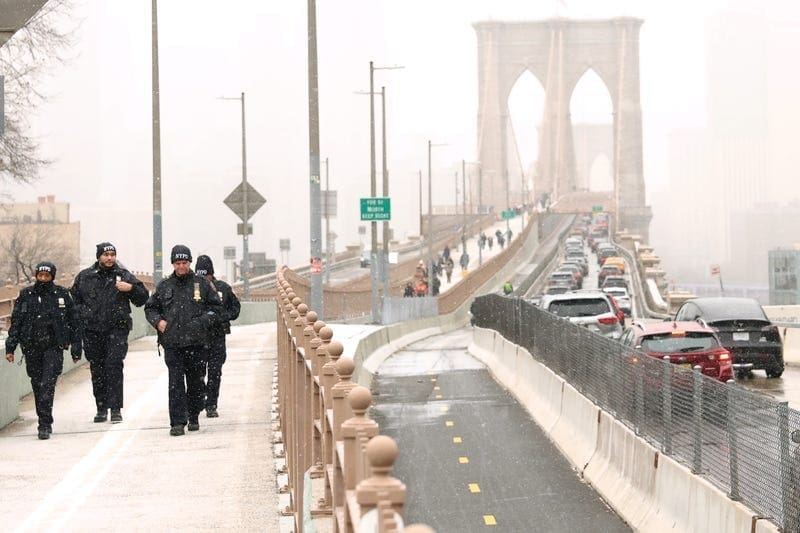
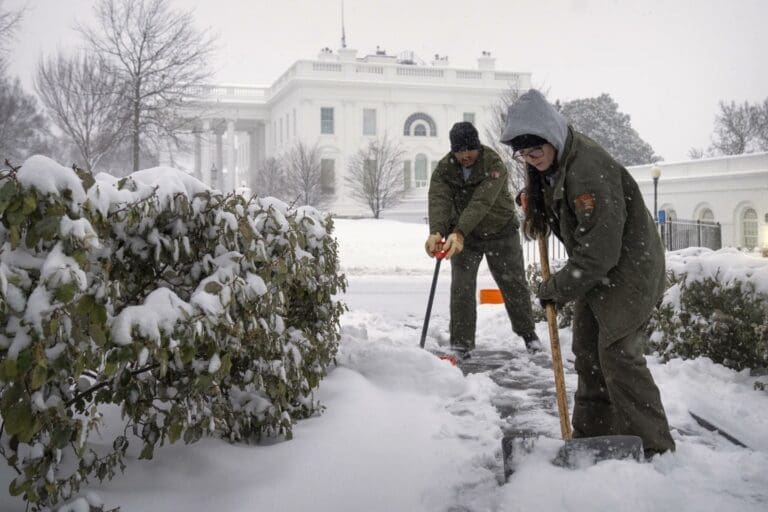
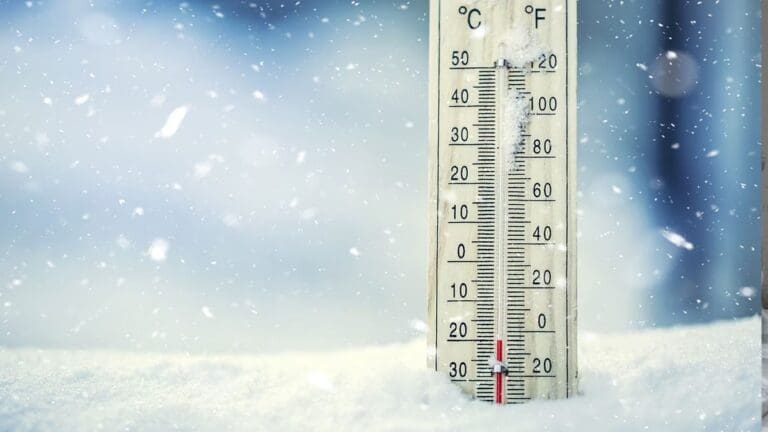
The United States is currently grappling with severe winter storms, impacting over 60 million people across the country’s eastern regions. These extreme cold spells, with temperatures plummeting as low as -50°C (-60°F), are driven by an atmospheric event known as the polar vortex.

What is the Polar Vortex?
The polar vortex refers to an area of cold, fast-rotating air that surrounds the Arctic. This phenomenon has two primary types:
- Tropospheric Polar Vortex: Occurs in the lower atmosphere where weather events typically take place. It often leads to milder weather across northern latitudes.
- Stratospheric Polar Vortex: Develops 10–30 miles (16–48 km) above the Earth’s surface, forming in autumn and dissipating by spring. This type is responsible for the severe cold spells seen when it weakens.
Under normal conditions, the polar vortex spins in a stable, circular pattern around the North Pole. However, when disrupted by rising warm air or significant weather systems, the frigid winds can expand southward. This weakening allows Arctic air to reach regions as far south as the Gulf Coast and Florida.

Impact of Polar Vortex Events
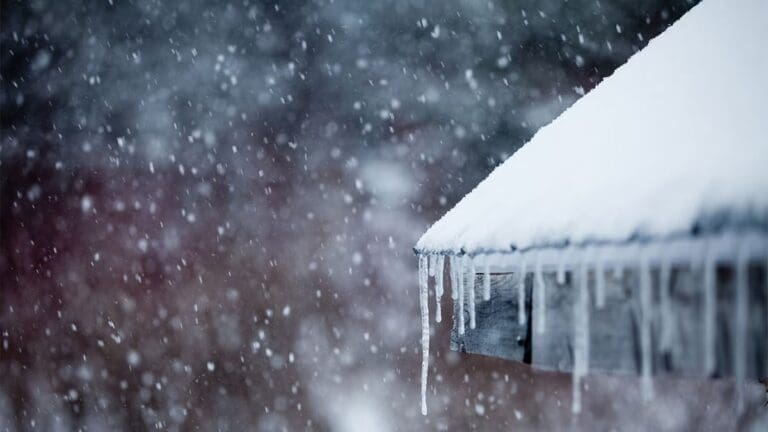
While the polar vortex is a natural part of atmospheric circulation, its weakening can lead to extreme weather events. For example, the 2013-2014 polar vortex caused record-breaking cold temperatures and heavy snowfall across the US and Canada. New York, Chicago, and Philadelphia experienced some of their coldest winters on record, with the Great Lakes freezing to levels not seen in decades.
Climate Change and the Polar Vortex
The link between climate change and the polar vortex is an ongoing area of research. Some studies suggest that global warming, which causes the Arctic to warm faster than other regions, weakens the vortex. This destabilization may lead to more frequent or intense cold air outbreaks. As the temperature difference between polar and mid-latitude regions decreases, the polar jet stream – a key driver of the vortex – becomes less stable, enabling cold air to dip further south.

Preparing for Winter Weather
According to Centers for Disease Control and Prevention (CDC), with the increasing unpredictability of polar vortex events, preparation is essential:
- Home Readiness: Insulate pipes, seal windows, and ensure your heating system is functional.
- Car Maintenance: Check antifreeze levels, tires, and keep an emergency kit in your vehicle.
- Emergency Supplies: Stock up on essentials like food, water, blankets, and flashlights.
- Pet Safety: Bring pets indoors or provide warm shelter.
Winter storms can disrupt power, communication, and transportation, making advance planning crucial to ensure safety.

A Recurring Yet Unpredictable Phenomenon
Though the polar vortex has always existed, its effects have gained attention in recent years due to increasingly extreme weather. While these cold events are not annual, understanding and preparing for their impacts can mitigate their challenges.

Truck drivers are at high risk of developing diabetes
About 11% of the adult population meets the criteria for prediabetes, and there is a particular group at high risk: truck drivers. Diabetes rates in

Starting in trucking: required permits, registrations, and compliance
Are you a new carrier? This is what you need to know about permits, registration, and compliance. The trucking industry can be quite challenging for

Alberta Clipper Brings an Early Polar Blast: A Critical Alert for Drivers
The Alberta Clipper is sweeping across the country with fast-moving Arctic air, sharp temperature drops, and dangerous road conditions that demand heightened attention from all professional drivers.

American manufacturers trigger truck “dumping” investigation
Foreign trailer manufacturers under investigation for alleged “dumping” in the U.S. The U.S. truck market is at the center of a trade dispute. After domestic

ATRI Warns: Litigation Is Rising Across the U.S. Trucking Industry
A new report from the American Transportation Research Institute (ATRI) reveals how escalating litigation, higher legal costs, and mounting insurance pressures are reshaping the U.S. trucking industry. The findings mark a critical moment for motor carriers, insurers, and logistics stakeholders who must understand the changing legal environment — and the increasingly strategic role of strong insurance partnerships.

FMCSA says no to hours-of-service exemptions
FMCSA rejects two requests for exemptions to hours-of-service rules for commercial drivers. The Federal Motor Carrier Safety Administration (FMCSA) has denied two exemption requests related