From CB radio to GPS, a nostalgic look at the evolution of trucking.
It is said that the golden age of trucks took place in the 1970s, a period when truck drivers were portrayed as rebels, laying the foundations for the industry we know today. During the 1980s and 1990s, modernity began to gradually make its way in, with technological advances that once seemed impossible. By the 2000s, truck power increased, and new regulations began to be implemented.
Many truck drivers who started their journeys in these decades today look back nostalgically on the “good old days,“ when everything seemed better. On this trip down memory lane, let’s review 6 things that retro truckers used to do that are now completely different.

1. CB Radios and “Breaker, Breaker” Communication
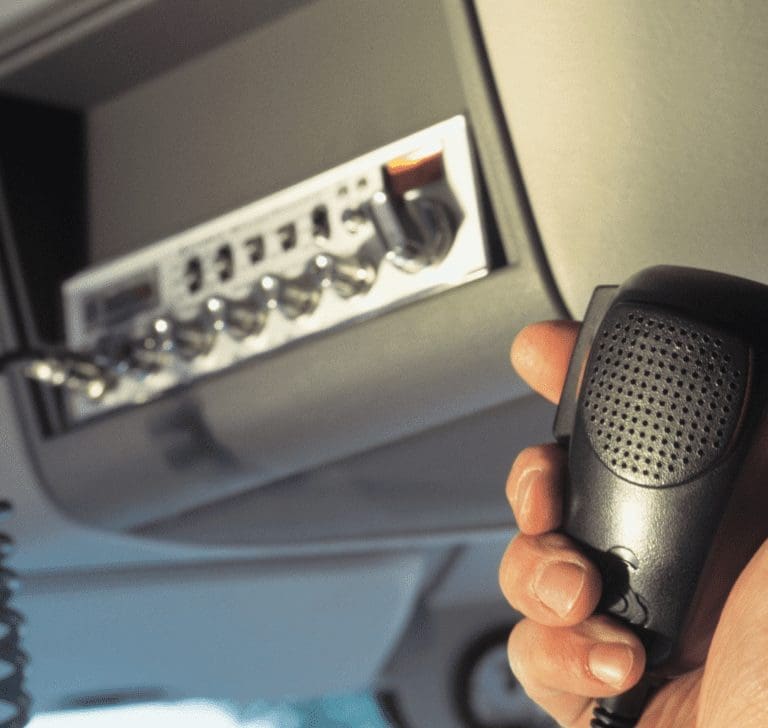
Truck drivers relied heavily on CB radios to communicate with each other, sharing road conditions, speed traps, or just chatting. The iconic “breaker, breaker” or “10-4” was part of trucker culture.
Today, most truckers use smartphones and apps to stay informed, making CB radios less common. However, CB radios are still in use, just less frequently.
2. Manual Logbooks
In the golden age, truck drivers had to manually keep logbooks to track their Hours of Service (HOS). It was a laborious process done with pen and paper. Now, with the introduction of Electronic Logging Devices (ELDs), this process has become automatic and digital. Although many truckers still prefer the manual process.

3. Memorizing Routes and Paper Maps
What did truckers do before GPS? In the old days, truckers had to rely on their memory and paper maps to find their routes. Long-haul drivers often knew highways, truck stops, and specific landmarks by heart.
Today, GPS systems and route software have revolutionized navigation, making paper maps almost obsolete. However, truckers are still experts at memorizing routes, especially when it comes to trips they take regularly.
4. Manual Shifting and Gearboxes
A few decades ago, most trucks were manual, requiring drivers to be skilled at shifting gears while driving. Some even used double-clutching techniques to make proper gear changes. In contrast, many modern trucks are automated, making driving easier, especially for new drivers. This is why an old-time trucker might say that today’s truckers have an “easier” job.

5. In-Person Dispatch of Goods
In the old days, goods dispatch was often done by phone or in person at the loading docks. Drivers had to regularly contact shippers to confirm pickup and delivery details. Today, this process is done digitally, with all the necessary information obtained through smartphone apps or company-specific software.
6. Safety Measures
Finally, safety measures in the golden age weren’t as elaborate as they are now. Trucks had limited safety features, such as basic brakes, with no stability control or advanced safety systems. Nowadays, trucks come with multiple safety features, such as lane assist, automatic emergency braking, and adaptive cruise control.

The trucking industry has come a long way, and while technological advances have made many processes easier, that doesn’t mean the present is necessarily worse. However, remembering how things were done in the past always offers a nice trip down nostalgia lane, especially for truckers who lived through those times. So, are you more drawn to modernity, or would you prefer to stick to the old days?

Why is Memorial Day One of the Busiest Travel Weekends in the U.S.?
Millions of Americans hit the roads, airports and highways every Memorial Day, creating one of the largest travel surges of the year and putting enormous pressure on traffic, logistics and freight systems across the country

Cargo Theft Increases During Memorial Day Weekend
Warning issued to carriers over rising cargo theft risk during Memorial Day weekend

Trucking Compliance Checklist (2026): What Does a Truck Driver Need to Stay Compliant?
Based on the most common questions, we created the basic compliance checklist every road driver needs to know.

Fraud in Trucking: New Biometric System Targets Shell Companies
The new system aims to stop fraud in the trucking industry through biometric controls, identity verification, and stricter federal oversight of carriers and commercial operators.

Memorial Day Traffic Expected to Reach Record Levels Across the U.S.
The American Automobile Association (AAA) predicts that this year will see a historic record number of travelers during the Memorial Day holiday.

Average Weekly Salary for U.S. Truck Drivers Reaches $1,804 in Q1 2026
The average weekly salary for company truck drivers increased by 11% during the first quarter of 2026, reaching an average of $1,804 per week.