Llame al (888) 572-7520 para hablar con un agente

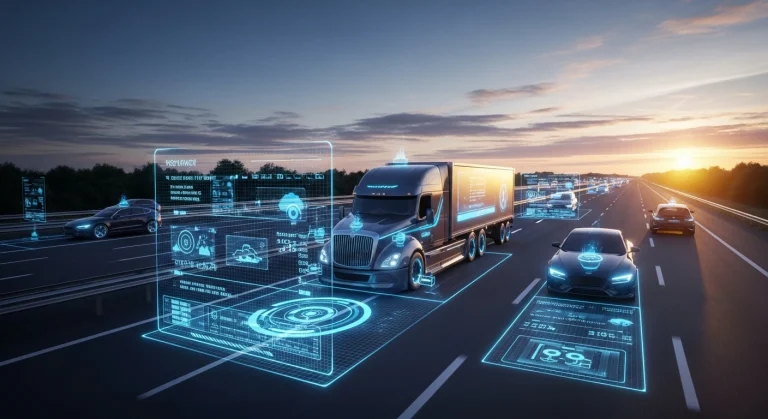
Predictive AI in transportation is no longer experimental — it is operational. In 2026, intelligent logistics systems anticipate demand spikes, optimize inventory levels, and redesign routes in real time, eliminating supply chain disruptions before they occur.

For years, the U.S. transportation and logistics industry relied on data to understand what had already happened. Reports, historical freight volumes, traffic trends, and seasonal demand cycles helped companies react faster. But in 2026, the conversation has shifted.

The focus is no longer “What is AI?”It is: How is predictive AI in transportation transforming operations before problems emerge?

Today’s algorithms do not just analyze performance. They forecast it.

From Data Analysis to Full Prediction

The evolution toward intelligent logistics 2026 has moved the industry from descriptive analytics to proactive modeling. Modern systems integrate multiple data streams, including:

  • Historical sales and freight demand patterns

  • Macroeconomic indicators

  • Weather forecasts and seasonal projections

  • Retail and consumer trend signals

  • Real-time fleet telematics

  • Infrastructure and congestion data

This integration allows for route optimization with real-time data that does more than avoid traffic — it anticipates future congestion, warehouse saturation, or regional demand surges weeks in advance.

For example, during peak seasons such as back-to-school, major retail events, or sports championships, predictive systems detect early signals of volume increases in specific corridors. Instead of reacting to overflow conditions, companies can pre-position inventory, adjust driver schedules, and balance distribution capacity before stress impacts the network.

Eliminating Bottlenecks Before They Form

In the United States, bottlenecks typically emerge in three key areas:

  1. Ports and intermodal terminals

  2. Regional distribution centers

  3. High-density freight corridors such as I-95, I-10, and I-35

Predictive AI in transportation analyzes projected container volumes, unloading rates, chassis availability, warehouse capacity, and forecasted weather conditions. If the model identifies a likely imbalance — for example, Gulf Coast port congestion due to approaching storms — it can trigger early rerouting strategies or shift freight toward alternative gateways.

This proactive adjustment prevents the domino effect that traditionally spreads across the supply chain.

Instead of reacting to delays, operations teams prevent them.

Smarter Inventory, Fewer Stockouts

Inventory management is another area being reshaped by intelligent logistics 2026.

Predictive models connect demand forecasting with warehouse management systems, recommending:

  • Advanced replenishment in high-growth regions

  • Redistribution across facilities

  • Adjustments to safety stock thresholds

  • Early supplier coordination

This reduces both stockouts and overstocking, improving working capital efficiency while stabilizing freight planning.

For carriers and logistics providers, this translates into fewer last-minute expedited shipments, more predictable freight flows, and improved driver scheduling stability.

Route Optimization with Real-Time Data

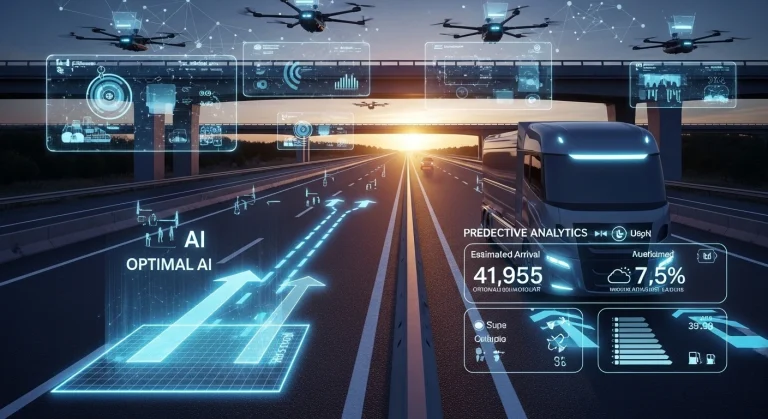
Route optimization with real-time data in 2026 extends far beyond traffic avoidance. Modern platforms integrate:

  • Weather projections

  • Local regulatory restrictions

  • Delivery time windows

  • Projected congestion patterns

  • Driver availability forecasts

If a system identifies a high probability of corridor congestion days in advance, it can redistribute departure times or adjust routing strategies before the issue materializes.

The operational benefits are measurable:

  • Improved on-time delivery (OTD) rates

  • Lower cost per mile

  • Reduced fuel consumption

  • Higher fleet utilization

  • Lower emissions output

Predictive routing also enhances compliance and safety performance by reducing rushed deliveries and unexpected detours.

AI

Risk Management in a Volatile Market

In 2026, predictive AI in transportation also plays a strategic role in risk mitigation.

Advanced models can anticipate:

  • Weather-related disruptions

  • Regional cargo theft patterns

  • Regulatory shifts affecting transit times

  • Economic fluctuations influencing freight demand

Through simulation modeling, companies can stress-test their networks under different scenarios and activate contingency plans before exposure becomes costly.

For logistics operators and insurers alike, predictive visibility reduces financial uncertainty and strengthens operational resilience.

A New Industry Standard

Logistics in the U.S. is no longer reactive. It is predictive.

In a highly competitive environment where delivery expectations continue to rise and margins remain tight, predictive AI in transportation is not a luxury — it is becoming a baseline operational requirement.

Companies adopting intelligent logistics 2026 are not simply optimizing routes or adjusting inventory. They are redefining how decisions are made — converting data into forward-looking action, reducing volatility, and gaining measurable control over complex supply networks.

In today’s freight economy, the competitive advantage no longer lies in responding faster than competitors.

It lies in seeing the bottleneck weeks before it exists.

And in modern logistics, foresight is profitability.

Facebook
Twitter
LinkedIn

Leave a Reply

Your email address will not be published. Required fields are marked *

Business hours: Monday to Friday from 8:00 AM to 5:00 PM. California time
Leave your number and a member of our company will contact you
Horario de atención: Lunes a viernes de 8.00 AM a 5.00 PM. Hora california

Deje su número y un miembro de nuestra empresa se pondrá en contacto con usted

Privacy summary

This website uses cookies so that we can offer you the best possible user experience. Cookie information is stored in your browser and performs functions such as recognizing you when you return to our website or helping our team understand which sections of the website you find most interesting and useful.

More information about the privacy policy: Privacy Policy

More information about the terms of use: Terms of use 

More information about the disclaimer: Disclaimer 

More information on acceptable use policies: Acceptable Use Policies