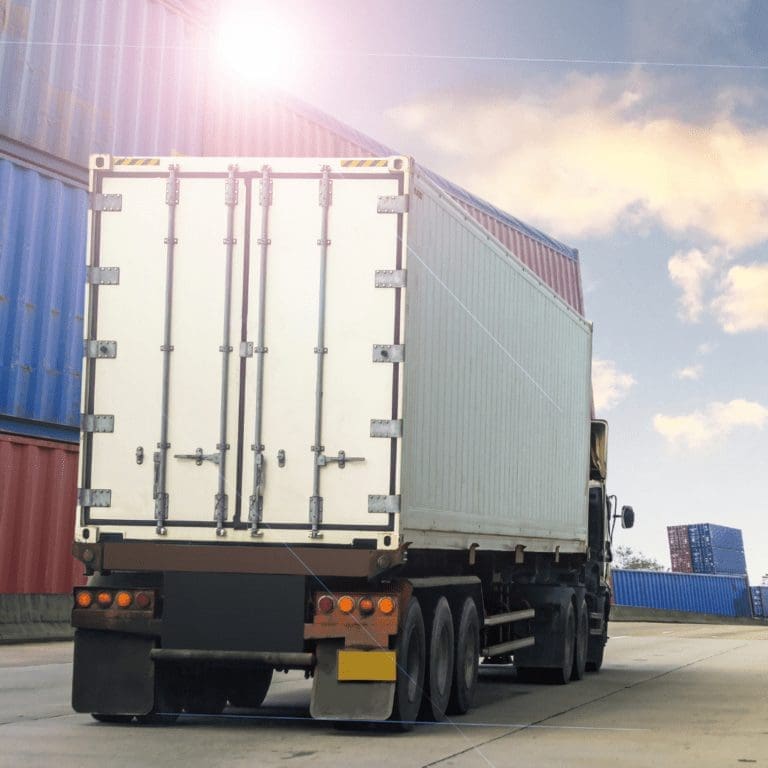
The mega-port aims to strategically position Peru between South America and Asia.
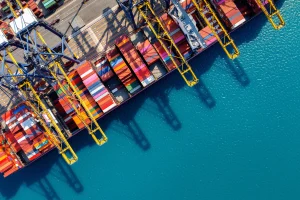
The new Chinese mega-port in Chancay, Peru, promises to strengthen trade ties between South America and China. Valued at $3.5 billion and predominantly controlled by the Chinese state-owned company Cosco Shipping, this deep-water port will be China’s first in South America. It is expected to facilitate direct transportation of goods, reducing travel time to Asia by up to two weeks for some exporters.
Chancay aspires to become a regional hub for copper exports from Peru and soybeans from western Brazil. The mega-port aims to strategically position Peru between South America and Asia. This project is part of China’s “Belt and Road” initiative, and construction in Chancay, initiated in 2018, is scheduled for completion in November 2024.
The Peruvian government plans to establish an economic zone near the new port in Chancay, while Cosco Shipping aims to build an industrial center to process Brazilian raw materials before shipping them to Asia. Improvements in land transportation infrastructure, including the Interoceanic Highway, and possibly a railway connection, are being considered to facilitate transportation from Brazil to the port.
Over the past decade, trade between Peru and China has doubled, reaching $33 billion in 2022, driven by increased copper exports. China has invested around $24 billion in mines, the power grid, transportation, and hydroelectric power generation in Peru during this period.
Furthermore, Peruvian exports to China grew by 9.3% in the first eleven months of last year, surpassing the 5.3% growth in exports to the United States. Peru maintains a trade surplus of $9.4 billion with China and a deficit of $1.3 billion with the United States.

The Chancay port stands out as a significant boost to free trade and new Chinese investments, strengthening China’s position in Peru and establishing an influential point in the region.
The success of the Chancay port relies on improvements in regional infrastructure, especially roads and railways, to facilitate goods transportation. The current Interoceanic Highway connects the Pacific coast in southern Peru to the Brazilian state of Acre, but the lack of regional connections poses a significant challenge, according to experts and diplomats.
Despite challenges, opinions indicate that China’s rise in South America is consolidating. Global interest in South American resources, such as lithium, copper, and cereals, has increased, turning the region into a new battleground for competition among the United States, Europe, and China.

Could Invasive Burmese Pythons in Florida Hide Inside Trucks?
The discovery of breeding Burmese pythons in new parts of Florida has renewed concern among wildlife experts. Scientists warn that human transportation—including commercial trucks—can unintentionally help the invasive species spread into new counties and even neighboring states.

Tropical Storm Bertha: How It Is Affecting Freight Transportation Along the Gulf Coast
Tropical Storm Bertha continues to weaken, but it is still producing heavy rain, gusty winds, and localized flooding that could impact key freight corridors and commercial trucking routes across Florida, Alabama, Mississippi, Louisiana, and Texas.

Illegal Cabotage: Why Is the U.S. Tightening Controls, and How Does It Affect Mexican Carriers?
With data now being cross-referenced between the FMCSA and CBP, border agents can identify prior illegal illegal cabotage and are revoking visas for Mexican drivers.

The Great CDL Reset: Why America’s Trucking Workforce Is About to Change Forever
AI Analysis | By ChatGPT (OpenAI)Federal investigations are only the beginning. After analyzing regulations, enforcement actions, and labor trends, I believe the United States is

What Are the Best Truck Rest Areas in Florida?
The best truck rest areas in Florida offer much more than just a place to park.

What Do Truckers Need to Know About the New Texas Motor Carrier Credentialing System?
Texas truckers face deadline for major state carrier credentialing change.