The rule has generated over 1,000 comments from owners and companies.
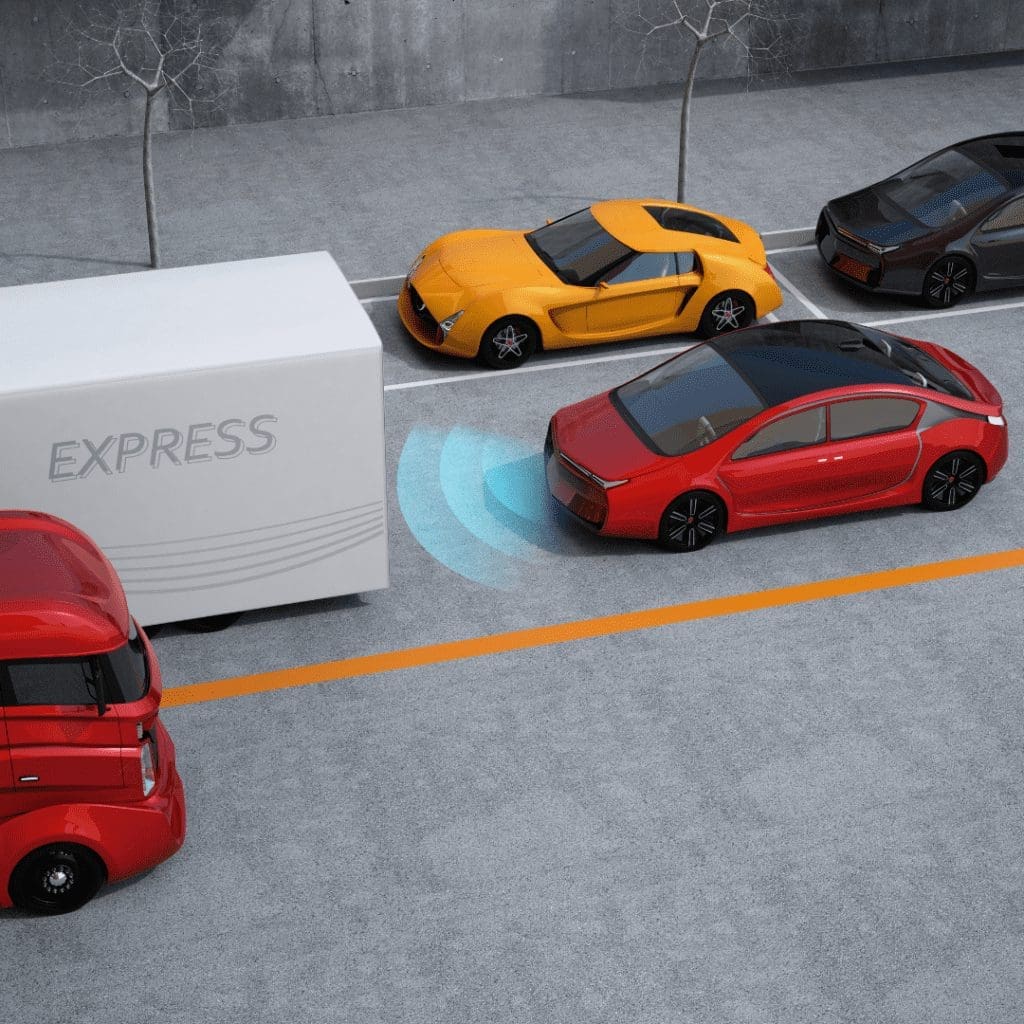
The final rule to implement automatic emergency braking (AEB) systems in light vehicles, by the National Highway Traffic Safety Administration (NHTSA), has been submitted for review to the White House Office of Management and Budget. Work is still underway for the heavy-duty vehicle version.
NHTSA submitted the rule for light vehicles to OMB on January 18, with its publication in the Federal Register expected after review. The rule is anticipated to be published in April of this year, as per the Unified Regulatory Agenda for the fall of 2023 from the U.S. Department of Transportation.
In June of last year, the initial proposal was established, seeking to require AEB systems in new light vehicles, aiming to save lives and reduce annual injury cases. If adopted, most new vehicles in the U.S. weighing less than 10,000 pounds would be required to have this technology three years after its publication in the Federal Register. The rule has generated over 1,000 comments from owners and companies.
Additionally, last year, NHTSA and the Federal Motor Carrier Safety Administration (FMCSA) jointly proposed the mandatory implementation of AEB and electronic stability control systems in new vehicles weighing over 10,000 pounds.

The proposal sets deadlines for implementation, requiring vehicles in classes 7 and 8 to comply with AEB standards three years after the effective date, while those in classes 3 to 6 must comply after four years. Small-volume manufacturers would have up to five years, and existing heavy-duty vehicles would not be subject to retrofitting requirements.
However, opposition comments were raised by some legislators who expressed their disagreement with the AEB proposal for trucks during a hearing in the House Transportation and Infrastructure Committee in December. They argue that the technology is not yet ready, as collision avoidance systems are not foolproof and have issues, in addition to being costly.
The Owner-Operator Independent Drivers Association (OOIDA), representing small business truckers, also expressed concerns, pointing out that drivers experience too many false activations with AEB systems. The association criticized the proposal for not adequately addressing false activations, lack of consultation with professional truckers, and the lack of completion of ongoing research programs.

Frozen Roads After Bomb Cyclone: Black Ice, Record Snow and High Risk for Trucks
Frozen roads continue to disrupt freight transportation following the impact of a powerful bomb cyclone, leaving behind black ice, highway shutdowns, power outages, and dangerous winter driving conditions stretching from the Gulf Coast to New England.

Lunar New Year 2026: Ancient Traditions, Renewed Energy, and Massive Celebrations
Lunar New Year 2026 begins on February 17 under the sign of the Fire Horse and is marked by spiritual rituals, family reunions, and large-scale celebrations in both China and the United States, especially in California.

Freedom 250 Grand Prix: How Logistics and Transportation Will Power the Race in Washington
The first-ever IndyCar street race in Washington, D.C., scheduled for August 21–23, will headline the United States’ 250th anniversary celebrations — and it will trigger a massive transportation, freight, and urban logistics operation behind the scenes.

Groundhog Day: What It Means for Trucking When “Phil Sees His Shadow”
The forecast from America’s most famous groundhog is calling for more winter — and that’s an important signal for the trucking industry and cold-season route planning

Love on the open road: the best dating apps for truckers
If you’re looking for someone to go the long haul with, here are the best dating apps for truck drivers. They say love is everywhere…

The most congested cities in the U.S. and the world in 2025
The annual TomTom Traffic Index produces a ranking of the most congested cities in the world. The annual TomTom Traffic Index presents an analysis of