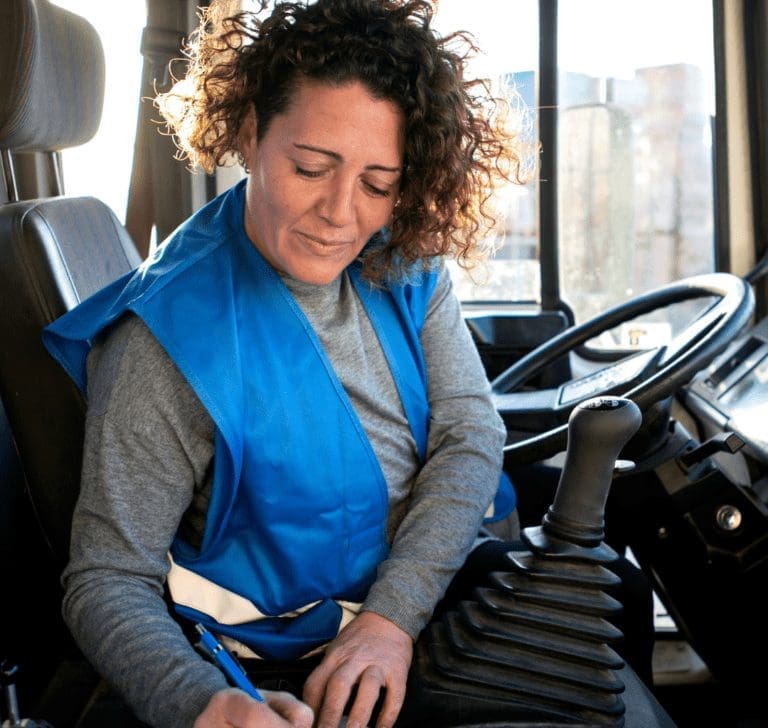
Aims to reduce regulatory burdens and mitigate delays in driver licensing that some state agencies experience.
The Federal Motor Carrier Safety Administration (FMCSA) has proposed a rule to enhance the efficiency of tests and flexibility for applicants seeking a Commercial Driver’s License (CDL) or Commercial Learner’s Permit (CLP). Partly based on a petition from the American Trucking Associations, the aim is to reduce regulatory burdens and alleviate delays in obtaining driving permits experienced by some state agencies.
According to the FMCSA, this proposal aims to address driver shortages by improving supply chain stability and providing regulatory relief without compromising safety. It’s worth noting that the proposed rule could impact states, third-party knowledge examiners, CDL applicants, Commercial Motor Vehicle (CMV) drivers, and carriers. Potential changes include:
- Allowing CDL applicants to take the skills test in a state different from their residence.
- Permitting Commercial Learner’s Permit holders, after passing the skills test, to drive commercial vehicles on public roads without a qualified CDL holder in the passenger seat.
- Removing the requirement for applicants to wait at least 14 days before taking the skills test after the initial issuance of a Commercial Learner’s Permit.
- Mandating that third-party knowledge examiners comply with training, certification, and background check standards.

With the recent entry-level driver training rule, the FMCSA ensures confidence in out-of-state applicants meeting minimum training requirements. The proposal allows for assessing the skills of applicants from other regions, facilitating obtaining a CDL by scheduling tests in states with shorter waiting times.
Despite longstanding concerns about the use of third-party administrators, the FMCSA, in a Federal Register notice dated September 22, 2022, noted that the increased use of these administrators aims to streamline training, testing, and credentialing processes. This seeks to reduce delays, enabling aspiring truck drivers to efficiently obtain their commercial licenses.
The Commercial Vehicle Training Association (CVTA) strongly supports the proposed amendments by the FMCSA. It contends that these new processes will reduce administrative barriers in skills testing, enabling new drivers to access truck driving jobs efficiently. The FMCSA will accept public comments on the proposal for 60 days from its publication in the Federal Register.

Nevada’s Runaway Ramps Save Lives
Runaway ramps on highways help stop vehicles experiencing brake failure, saving lives on the road.

California Highway Patrol Inspections: What They Check on Commercial Trucks and How to Prepare
Learn what the California Highway Patrol checks on commercial trucks in California, including brakes, tires, documents, hours of service, and safety.

Indiana, the RV Capital of the World: The Business Behind America’s RV Industry
Indiana accounts for the vast majority of RV manufacturing in the United States. But behind the factories is a lesser-known business: delivering brand-new recreational vehicles to dealerships across the country. Who are the drivers making these trips, how does the delivery business work, and when is a commercial driver’s license (CDL) required?

Texas Warns of Flooded Roads as El Niño Approaches
The Texas Department of Transportation (TxDOT) is warning drivers about hidden dangers beneath floodwaters, penalties for ignoring road closures, and precautions truckers should take ahead of a potentially wetter and stormier 2026–2027 winter.

The United States is growing, but sustaining that growth is becoming increasingly difficult
The country continues its economic expansion, but debt, interest rates, and inflation are driving up the cost of financing for businesses, households, and even the government itself.

USDOT Announces More Than $1.6 Billion to Rebuild Damaged Infrastructure
The United States will allocate more than $1.6 billion to repair roads, bridges, and transportation infrastructure damaged by hurricanes and floods.