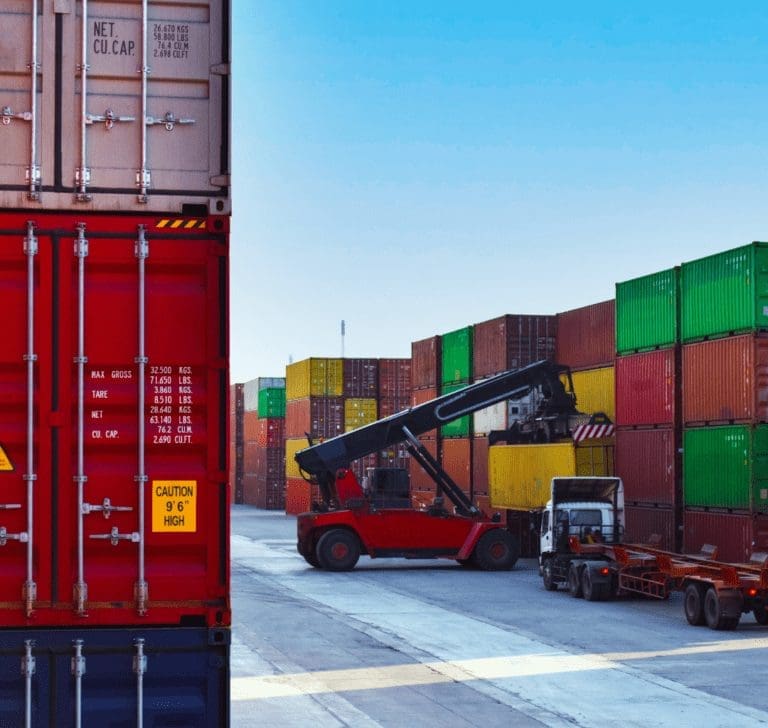
The United States is in a better position to address the challenges arising from the situation in the Red Sea, according to experts.
The freight sector in the United States is in better condition, according to experts, to address the challenges arising from the situation in the Red Sea, thanks to efforts to improve capacity amid the slowdown in freight transportation.
Current data from Project44 indicates that most vessels are experiencing an increase in transit time ranging from seven to 20 days. This situation has significantly impacted the efficiency and speed of maritime transportation worldwide, affecting the rest of the transportation sector.
Uber Freight Market Update and Outlook Report for the first quarter of 2024, shows maritime freight transportation is experiencing a 40% slowdown, equivalent to nearly two weeks of delays in supply chains. As a result, most carriers have chosen not to renew operations in the region until the risk of attacks disappears.

According to Transport Topics, Mollie LeBlanc, Uber Freight’s ocean expert, has observed some downward effects on U.S. transportation, such as the increase in volumes diverted through ports on the west coast. LeBlanc stated that the current excess capacity has allowed commerce to adapt to a truly adverse situation.
Project44 data also reveals that rates from Asia to the U.S. East Coast have increased by almost 175% since October. And rates at the West Coast increased by 97%. The report also warns of a possible increase in fuel costs, as some maritime carriers have imposed surcharges ranging from $500 to $2,700.
What’s ahead for the freight industry in the U.S.?
Eric Fullerton, Project44’s Director of Product Marketing, mentioned that the impact on U.S. transportation is twofold, as it not only concerns transit times but also cost increases. While routes from Asia to Europe have seen the most significant increases, Fullerton stated that rates for routes to the U.S. have also risen.
Transport Topics reports that Pawan Joshi, Executive Vice President of Products and Strategy at E2open, noted that increased transit times also entail higher costs for crews and fuel. Additionally, he indicated that the situation is mixed in terms of downward effects, given the current freight market.
Joshi added that these shipments include not only finished products but also raw materials, which could cause production delays. However, he believes that the supply chain is better positioned to manage these disruptions due to the slowdown in macroeconomic conditions, which has led to reduced demand.

Nevada’s Runaway Ramps Save Lives
Runaway ramps on highways help stop vehicles experiencing brake failure, saving lives on the road.

California Highway Patrol Inspections: What They Check on Commercial Trucks and How to Prepare
Learn what the California Highway Patrol checks on commercial trucks in California, including brakes, tires, documents, hours of service, and safety.

Indiana, the RV Capital of the World: The Business Behind America’s RV Industry
Indiana accounts for the vast majority of RV manufacturing in the United States. But behind the factories is a lesser-known business: delivering brand-new recreational vehicles to dealerships across the country. Who are the drivers making these trips, how does the delivery business work, and when is a commercial driver’s license (CDL) required?

Texas Warns of Flooded Roads as El Niño Approaches
The Texas Department of Transportation (TxDOT) is warning drivers about hidden dangers beneath floodwaters, penalties for ignoring road closures, and precautions truckers should take ahead of a potentially wetter and stormier 2026–2027 winter.

The United States is growing, but sustaining that growth is becoming increasingly difficult
The country continues its economic expansion, but debt, interest rates, and inflation are driving up the cost of financing for businesses, households, and even the government itself.
USDOT Announces More Than $1.6 Billion to Rebuild Damaged Infrastructure
The United States will allocate more than $1.6 billion to repair roads, bridges, and transportation infrastructure damaged by hurricanes and floods.