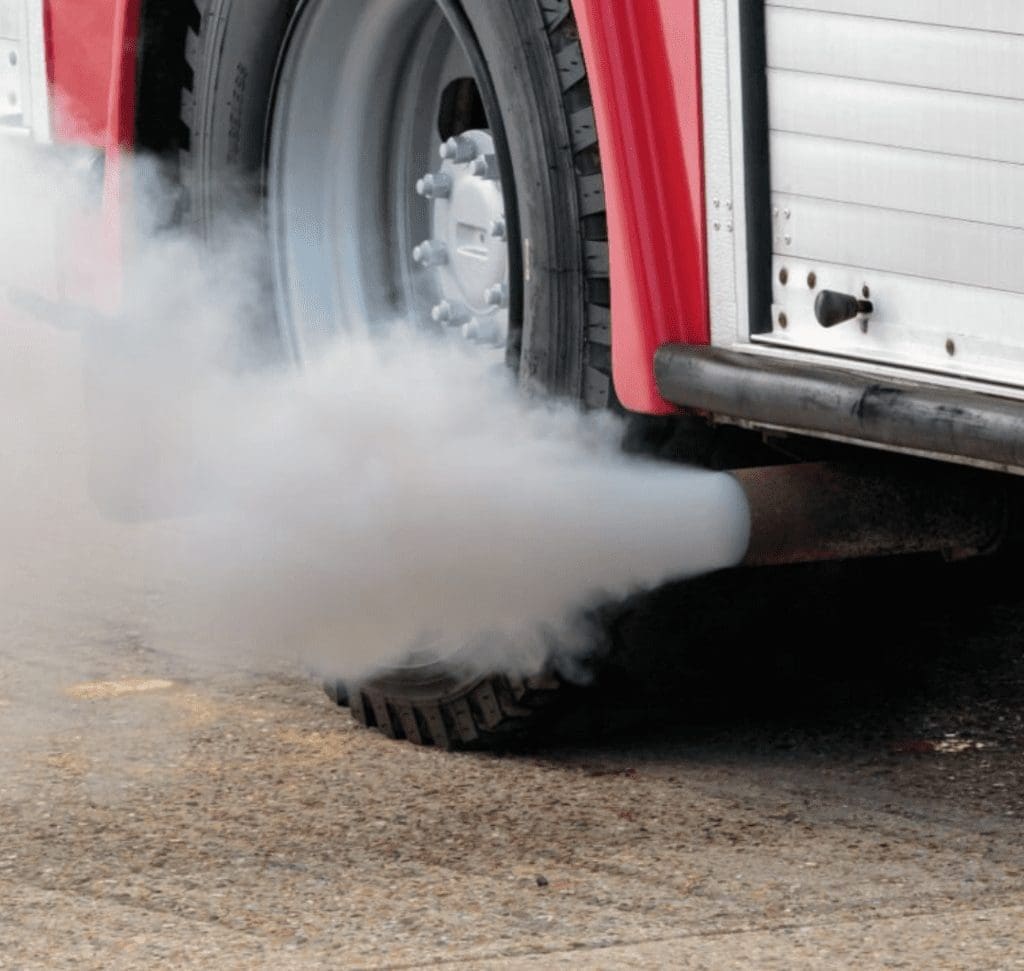
Diesel Freak, LLC sentenced to pay $75,000 for disabling emission control devices.
In a recent verdict, a diesel engine repair and electronic component modification workshop based in Michigan has been ordered to pay a substantial fine of $750,000 for its involvement in an illicit scheme involving disabling emission control devices on hundreds of trucks over a period of three years.
The office of the Federal Prosecutor for the Western District of Michigan, led by Mark Totten, announced on February 23rd that Diesel Freak, LLC, located in Gaylord, Michigan, along with several individuals, was found guilty of violating the Clean Air Act by collaborating in a scheme to disable emission control systems on semi-trucks.
Ryan Lalon, company’s owner, and two employees, Wade Lalone and James Sisson, were sentenced to one year of probation. The company and the defendants admitted their guilt in conspiring to violate the Clean Air Act.

This case was highlighted by officials as one of the largest of its kind in the United States. The $750,000 fine imposed is the highest in this case, which in total accrued fines of over $1.8 million. Mark Totten, the federal prosecutor, emphasized in a statement that this case sends a clear message that those who violate environmental laws will be held accountable. He underscored the importance of environmental regulations in protecting public health and preserving the environment.
According to the US Attorney’s Office, between 2015 and 2018, Diesel Freak carried out electronic modifications to onboard diagnostic systems, allowing diesel engines to operate without environmental restrictions, resulting in pollution above legal limits.
The importance of compliance with the Clean Air Act
Manipulating or removing emission controls can result in a significant increase in harmful substances in vehicle exhaust, such as nitrogen oxides, particulate matter, carbon monoxide, and non-methane hydrocarbons, with associated serious health risks.
Lisa Matovic, Acting Special Agent in Charge of the Criminal Investigation Division of the US Environmental Protection Agency, highlighted that exposure to diesel exhaust gasses can cause serious health problems and contribute to poor air quality, emphasizing the defendants’ negligence in considering these risks for the sake of economic gain.
In October 2023, a pair of transportation companies in Grand Rapids were ordered to pay a fine of $500,000 and serve one year of probation as part of the same investigation.

Truck drivers are at high risk of developing diabetes
About 11% of the adult population meets the criteria for prediabetes, and there is a particular group at high risk: truck drivers. Diabetes rates in

Starting in trucking: required permits, registrations, and compliance
Are you a new carrier? This is what you need to know about permits, registration, and compliance. The trucking industry can be quite challenging for

Alberta Clipper Brings an Early Polar Blast: A Critical Alert for Drivers
The Alberta Clipper is sweeping across the country with fast-moving Arctic air, sharp temperature drops, and dangerous road conditions that demand heightened attention from all professional drivers.

American manufacturers trigger truck “dumping” investigation
Foreign trailer manufacturers under investigation for alleged “dumping” in the U.S. The U.S. truck market is at the center of a trade dispute. After domestic

ATRI Warns: Litigation Is Rising Across the U.S. Trucking Industry
A new report from the American Transportation Research Institute (ATRI) reveals how escalating litigation, higher legal costs, and mounting insurance pressures are reshaping the U.S. trucking industry. The findings mark a critical moment for motor carriers, insurers, and logistics stakeholders who must understand the changing legal environment — and the increasingly strategic role of strong insurance partnerships.

FMCSA says no to hours-of-service exemptions
FMCSA rejects two requests for exemptions to hours-of-service rules for commercial drivers. The Federal Motor Carrier Safety Administration (FMCSA) has denied two exemption requests related