Midwest states are considering reforming regulations regarding non-economic damages compensation in accidents
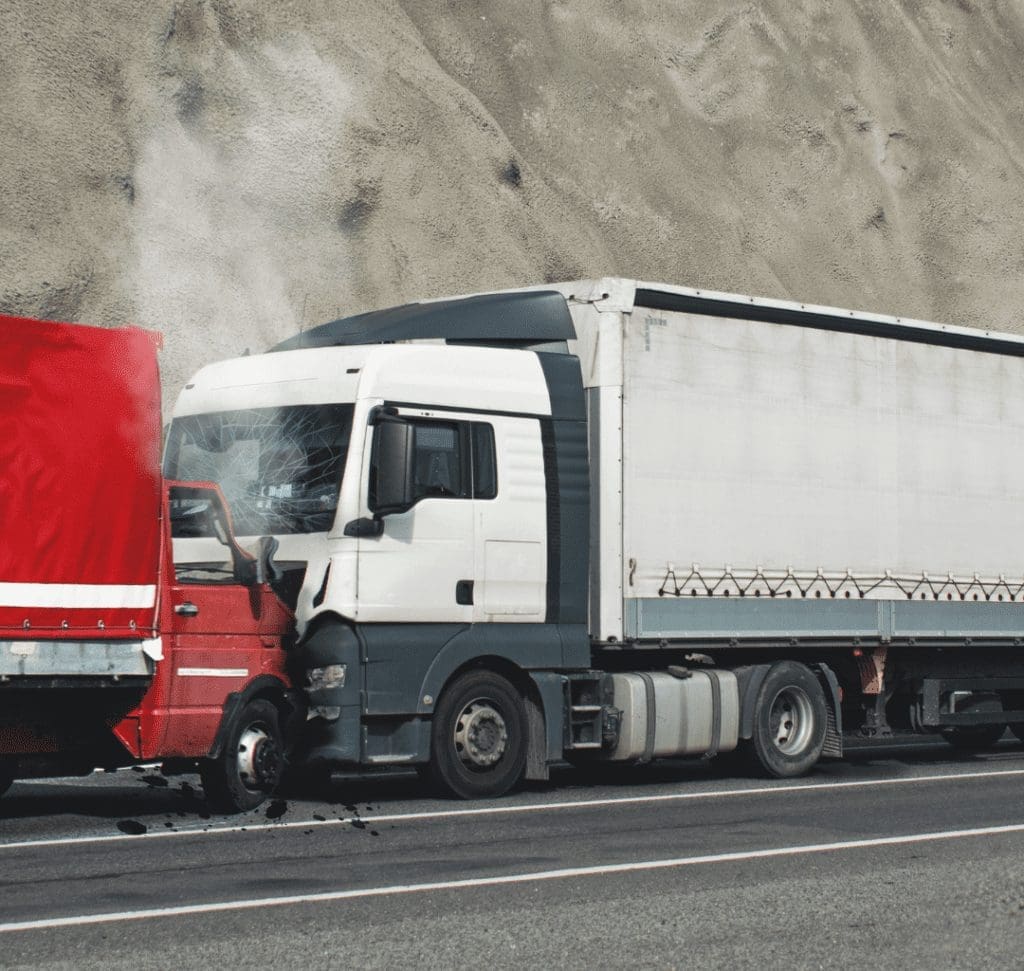
The states in the upper Midwest region of the United States are considering reforming regulations regarding non-economic damages compensation in accidents involving large trucks. Illinois, Indiana, Iowa, and Washington are addressing issues associated with road transportation through new legislative proposals.
Illinois: Limitation on non-economic damages in wrongful death cases
In 2023, a civil liability bill was approved by Governor J.B. Pritzker, allowing unlimited compensation for non-economic damages in cases of wrongful death, including compensation for pain and suffering.
Currently, Representative Ryan Spain is leading the HB4992 bill proposal, which seeks to limit non-economic damages in civil lawsuits against common carriers to a maximum of $2 million per plaintiff. So far, 118 people have testified in favor of the bill, while five have opposed it. The OOIDA urges Illinois residents to contact their state legislators to support this civil liability bill.
Indiana: Seatbelt usage in traffic accident trials
In Indiana, Governor Eric Holcomb signed a bill authorizing civil trial juries in traffic accident cases to consider whether the victim was wearing a seatbelt, which may influence the assessment of damages.
Jim Pressel, Chairman of the Transportation Committee, emphasizes the importance of allowing jurors access to this information without state interference, ensuring that it does not affect liability or the cause of the accident, but only the determination of damages. The American Trucking Association supports this reform, highlighting its role in promoting fairness and transparency in the civil judicial system. The law will take effect on July 1.

Iowa: Damages in commercial vehicle-related lawsuits
In Iowa, legislation was introduced in 2023 that limited moral damages indemnities to $5 million. While non-economic damages such as pain and suffering are limited, economic damages such as lost wages or medical expenses are unlimited. Punitive damages, if awarded, are also not limited.
However, a Senate bill introduced this year aims to reverse these modifications by removing the restriction on compensation for non-economic damages and encompassing a wide range of liabilities and damages in civil actions related to large vehicles. This bill would overturn the state’s defendant superior law and hold employers accountable for the negligence of their employees. It would also repeal the $5 million limit on non-economic damages set the previous year.
Wisconsin: Truck insurance reform
In Wisconsin, state lawmakers have proposed a truck insurance reform aimed at countering exorbitant verdicts. Bill SB613 establishes a limit of one million dollars on non-economic damages related to injuries, death, or other losses in truck incidents. While it does not affect direct medical expenses, it aims to address the growing issue of disproportionate verdicts negatively impacting the trucking industry.
This measure is endorsed by the Wisconsin Motor Carriers Association and the OOIDA, who believe it will help mitigate problems associated with insurance rate increases and supply chain difficulties.


Truck Mechanics: The Most In-Demand Job in the United States
The shortage of truck mechanics has become a critical challenge for the transportation industry—but also a high-paying career opportunity.

The “Easter Effect” in logistics
Decorations, sweets, and Easter eggs are central to the holiday, particularly in the United States.

IFTA filing guide: what carriers need to know for Q1 2026
If you still have questions about the IFTA process, below is a brief guide designed for all carriers.

U.S. Truck Freight Tonnage Hits Three-Year High
ATA data shows a 2.6% monthly increase in truck freight tonnage, reaching its highest level in three years and marking the strongest year-over-year growth since 2022.

Road Safety: U.S. Announces Nearly $1 Billion Investment in Critical Infrastructure
The road safety investment aims to reduce fatalities, improve emergency response, expand truck parking, and modernize key infrastructure across the country.

Historic conviction: blow to the fake car crash mafia
After years of systematic fraud, a federal court in Louisiana punished two lawyers who orchestrated fraudulent accidents. This ruling protects the safety and profitability of the transportation industry.