Winter weather conditions affect the U.S. market as Florida breaks records with 7.6 inches of snowfall.
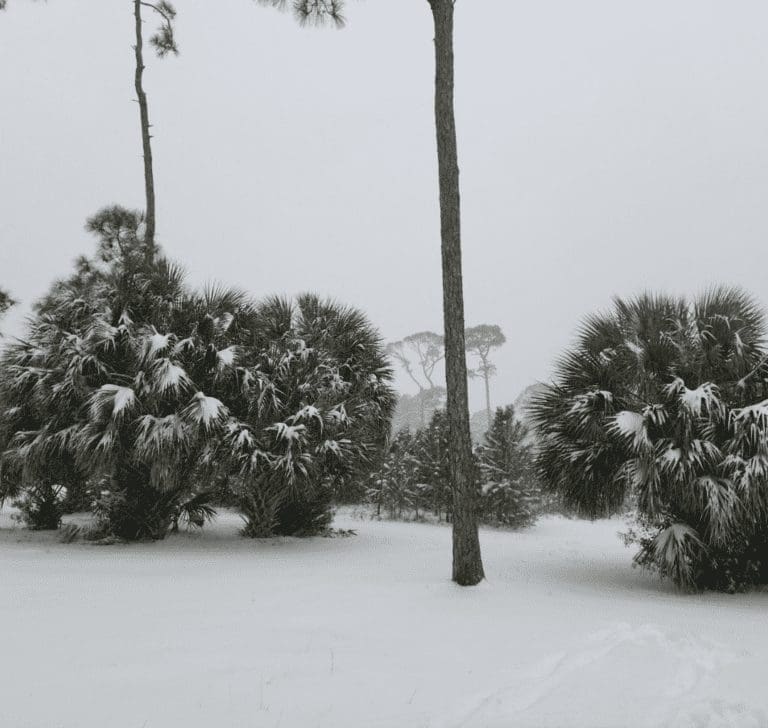
The northwest of Florida experienced an unusual weather event this Tuesday: Pensacola turned into an unexpected winter wonderland, breaking a 100-year-old record by receiving 7.6 inches (19.3 cm) of snow. The previous record, 3 inches, dated back to 1895. This phenomenon, so rare in a state known for its warm, sunny climate, has surprised residents and raised concerns regarding road safety.
The Panhandle’s roads, which received up to 10 cm of snow, have become high-risk areas due to snow and ice accumulation, particularly Interstate 10. The cities of Tallahassee and Jacksonville also saw snow, something that hadn’t happened in 35 years. This event has been classified as part of a series of winter storms impacting the Southeastern United States, bringing subzero temperatures and a mix of snow, ice, and freezing rain.
With this snowfall, Florida joins the list of states that have recorded winter precipitation, contributing to the fact that, for the first time since 2010, all U.S. states have experienced snow in the same winter season.

Winter’s impact on road transportation
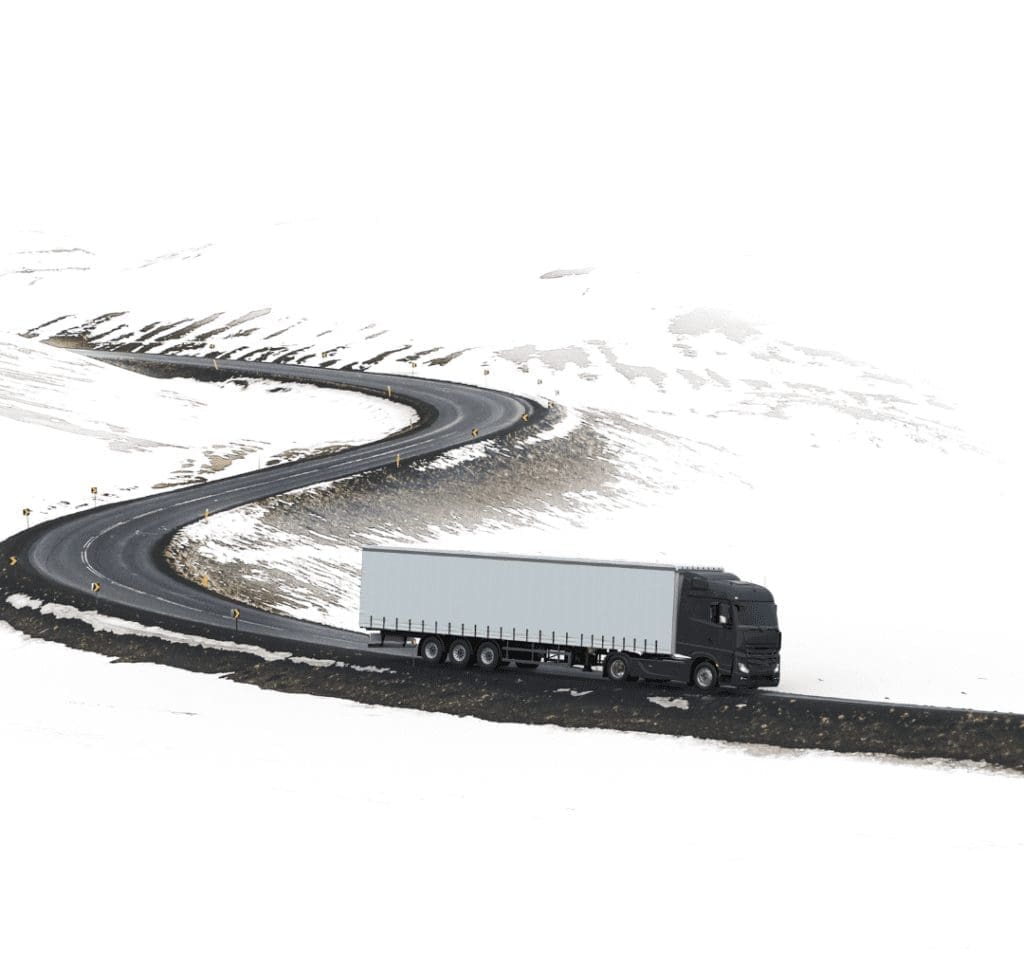
For the second consecutive year, mid-January winter weather conditions have increased national load rejection rates (OTRI) and spot truck rates (NTIL), affecting the U.S. freight market more than tropical systems in previous years. Winter weather has been a key factor in freight market disruptions and rate increases in January.
To illustrate, according to FreightWaves data, last year rejection rates rose from 4.4% to 4.96% in the week following Hurricane Helene in late September. The ILA strike caused a jump to 5.96%, as did Hurricane Milton in October. In comparison, the winter storms of January 2024 pushed rejection rates up to 5.4%. This year, the impact has been even greater, with rates increasing from 6.6% to 8.7% in early January, following two winter storms that affected the Midwest and South of the U.S.
This contrast is largely because winter weather has been more disruptive to transportation markets than hurricanes, as winter storms affect large areas, including key cities like Dallas and Chicago. While Hurricane Harvey was a significant disaster, the Texas freezes of February 2021, played a crucial role in prolonging the transportation boom during the pandemic. That storm disrupted transportation networks and led to a surge in shipping activity, accelerating the supply chain crisis.

The cost of winter storms
Winter storms represent a greater disruption to transportation due to the delays they cause, though they are often underestimated because of their predictability in the northern states. Carriers tend to be better prepared for hurricanes, suspending operations in advance, while winter weather preparation is often less thorough.
Although structural damage caused by hurricanes tends to be more long-lasting, winter storms affect transportation networks more significantly. While hurricanes like Helene and Milton caused major losses, winter storms like Blair and Cora have had a much greater impact on rates and transportation in general, highlighting the need for greater attention to them as threats to the sector.
According to an analysis by World Risk & Governance, the most severe snowstorms of 2023 and 2024 in the U.S. and Canada caused losses worth $1.5 billion, as 40% of shipments were delayed or interrupted due to the paralysis caused by winter storms.
More than 30% of freight transport was affected by the storms, resulting in $2 billion in losses in retail and wholesale trade, particularly in perishable goods. Snowstorm-related accidents rose by 15%, with each incident causing an average of $5,700 in damages, while fatal accidents led to a loss of $1.7 billion. In total, the winter storms of 2023 resulted in an economic loss of $5 billion, according to World Risk & Governance.

Safety measures for drivers
Winter storms have a monumental impact on many aspects; however, the greatest risk is when driving. Low temperatures prolong the presence of snow and ice on roads, hindering cleanup efforts and increasing the risk of accidents. The American Automobile Association (AAA) has issued a series of recommendations to ensure road safety during these extreme conditions:
- Reduce speed: Drive much slower than usual.
- Gradual braking and acceleration: Vehicles with anti-lock brakes (ABS) require firm and steady pressure, while those without ABS require pumping the brake pedal.
- Maintain safe following distance: Keep a distance of at least five to six seconds from the vehicle ahead.
- Avoid complete stops: Whenever possible, avoid stopping completely.
- Caution on slopes: When climbing hills, gain momentum on flat surfaces and maintain controlled speed when descending.

What Regulations Have Changed for Truck Drivers in the U.S. in 2026?
Learn about the new trucking regulations in the United States for 2026, upcoming FMCSA changes, and how they will affect drivers and trucking companies.

Apocalyptic-Looking Sky in Ontario Goes Viral Amid Wildfires
Wildfires swept across Ontario, Canada and smoke spread as far as the U.S. border.

The Biggest Match of the World Cup Was Played Off the Field
More than 453 metric tons of equipment, around 5,000 trucks and support vehicles, and simultaneous operations across 16 host cities kept the largest FIFA World Cup in history running.

DEF Act: 10 Years of Legal Protection for EPA Diesel Emissions Guidance
The Diesel Engine Flexibility (DEF) Act would protect agricultural and transportation businesses by building on the diesel emissions guidance by the EPA.

License Plate Readers Raise Privacy Concerns for Truck Drivers
Concerns are growing over the impact license plate readers could have on the privacy and security of truck drivers.

IMF Warns: The World Is Approaching an Energy Crisis
The IMF says the global oil market managed to absorb the initial shock of the Middle East conflict, but warns that the strategic reserves and commercial inventories used to prevent a supply crisis have been largely depleted.