Just as it is easy to identify a good driver, it is even easier to identify a bad driver. What characterizes them?
Winter is not over yet and the roads continue to pose a risk for drivers. Undoubtedly, driving is a skill that requires concentration, good navigation and space assessment, so many people do not meet all the characteristics of a good driver. Just as it is easy to identify a good driver, it is even easier to identify a bad driver.
What characterizes a bad driver? There are several habits that are typical of a driver who does not know how to follow the regulations or who chooses to ignore them, posing a risk to the rest of the drivers with whom he shares the roads. Below is a list of 8 habits that identify a bad driver, in order to increase safety on the roads. If you perform more than three of the habits listed, it is time to reevaluate your driving methods.

8 habits of a bad driver
1. Constant honking
Good drivers recognize that the horn is not an element that will make traffic disappear, but its purpose is to be used in emergencies as a warning to other drivers; it goes beyond simple annoyance. The constant beeping of a horn only results in stress for other drivers, which can lead to accidents or distractions for others. In addition, this habit is attributed to impatient people, contrary to good drivers.
2. Ignoring traffic signs
Traffic signs are not optional. Every driver should know and respect traffic signs, since their function is to prevent accidents. Drivers who ignore road signs show that their concern for road safety is null, and eventually, they will end up causing an accident due to their negligence.

3. Speeding
According to a survey conducted by Forbes Advisor, speeding is the worst driving habit in the United States, with 39% of drivers admitting to speeding. Respecting speed limits is of utmost importance, especially in congested or pedestrian areas.
Bad drivers often ignore speed limits and are the ones who cause accidents, often resulting in fatalities. A good driver knows and respects the limits, making the roads safe for everyone.
4. Tailgating
The habit of following other cars too closely is worse than poor driving skills. The risk of rear-end collisions is much higher when people do this. They have limited visibility of the road and little room to react if the vehicle in front brakes suddenly. In addition, people perceive this habit as intimidating behavior.

5. Frequent lane changes
Even if you consider your driving skills to be very good, constantly changing lanes can also cause accidents. This habit distracts other drivers, resulting in sudden movements that can lead to an accident. Anything can happen when you surprise other drivers, and such erratic driving can easily disrupt the flow of traffic.
6. Distracted driving
According to data provided by the National Highway Traffic Safety Administration (NHTSA), distracted driving claimed 3,308 lives in 2022. Distracted driving includes habits such as using the phone and eating while driving, becoming one of the most dangerous practices today. This bad habit delays reaction time and makes decision making difficult.

7. Ignoring pedestrians
Every driver has a legal and moral obligation to respect the right-of-way of pedestrians. Being impatient at crosswalks or ignoring them completely not only demonstrates poor driving but puts both the driver and pedestrians at risk. Waiting a minute for people to cross can actually save a life.
8. Road rage
Road rage is one of the biggest problems in the United States when it comes to road safety. The NHTSA states that approximately 300 people have lost their lives in road rage-related incidents since 2013.
This habit clouds the conditions of thinking about driver safety, as it leads to irrational and dangerous decisions. Driving requires patience and knowing how to react to unforeseen situations, so road rage is another characteristic of a bad driver.


Dalilah Law seeks to remove non-english speaking commercial drivers
President Donald Trump proposed the “Dalilah Law,” an initiative aimed at prohibiting undocumented immigrants from obtaining commercial driver’s licenses. On February 24, President Donald Trump
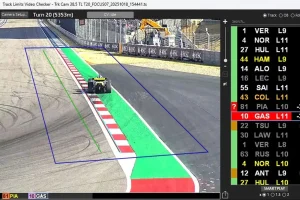
FORMULA 1 and the AI That Could Transform Transportation in the U.S.
The artificial intelligence system that Formula 1 implemented to monitor every car on every turn is opening the door to new applications in trucking, logistics,
$170 billion at stake: 1,500 companies demand tariff refunds
Companies have challenged the global tariffs imposed by President Donald Trump, asking federal courts to reactivate proceedings to begin the refund process. The companies that
In brief: enforcement measures target speeding, CDL training gaps and more
Major enforcement actions across the U.S., including speeding, CDL fraud, and chain violations Colorado launches Speed Enforcement Program The Colorado Department of Transportation (CDOT) has
Chinese Vehicles Raise Espionage and Remote Sabotage Concerns
Investigations into Chinese technology in connected vehicles warn of espionage risks, massive data transmission, and potential remote access vulnerabilities that concern U.S. transportation and security

Between the Court and the Fed: the market redefines its roadmap for 2026
Trade policy in limbo as markets price in 2026 rate cuts and Supreme Court strikes down Trump tariff plan. In the latest episode of the