On September 11, 2001, the world changed forever. Today, 24 years later, the United States honors the memory of the victims, the bravery of first responders, and the resilience of a nation with commemorations across the country.
Twenty-four years ago, on September 11, 2001, the course of American history was irreversibly altered. On that morning, 19 terrorists affiliated with Al Qaeda hijacked four commercial flights.
Two planes were flown into the Twin Towers of the World Trade Center in New York City, another crashed into the Pentagon in Washington, D.C., and the fourth went down in a field in Shanksville, Pennsylvania, after passengers courageously fought back.
The toll was devastating: nearly 3,000 lives lost, thousands more injured, families torn apart, and entire communities left in shock. The attacks also forced the nation to rethink its security policies, its foreign relations, and the global understanding of terrorism in the 21st century.
Why America Must NEVER FORGET
Honoring victims and survivors
Remembering September 11 means keeping alive the names, faces, and stories of those who perished. Survivors, families, and the brave first responders who risked their lives deserve a nation that will never let their sacrifices fade into statistics.
Lessons in security and freedom
The 9/11 attacks triggered sweeping changes in U.S. domestic and foreign policy: tighter airport security, expanded surveillance, new anti-terror laws, and an ongoing debate over the balance between liberty and safety. Forgetting that day would mean losing sight of the origins of today’s critical debates on immigration, national defense, and civil rights.
Unity and community service
Perhaps the most powerful legacy of that day was the unity that followed. Americans came together, showing extraordinary acts of heroism, generosity, and solidarity. First responders, volunteers, and everyday citizens demonstrated that even in tragedy, the American spirit is defined by resilience and compassion.
Preventing future tragedies
Commemorating 9/11 is not only about remembrance; it is also about education and vigilance. A nation that forgets its past risks repeating it.

Timeline of September 11, 2001
8:46 a.m.: American Airlines Flight 11 struck the North Tower of the World Trade Center.
9:03 a.m.: United Airlines Flight 175 hit the South Tower.
9:37 a.m.: American Airlines Flight 77 crashed into the Pentagon.
10:03 a.m.: United Airlines Flight 93 went down in Shanksville, Pennsylvania, after passengers resisted the hijackers.
By mid-morning, both towers of the World Trade Center collapsed, sending shockwaves across the globe and forever etching that day into collective memory.
Commemorations on September 11, 2025
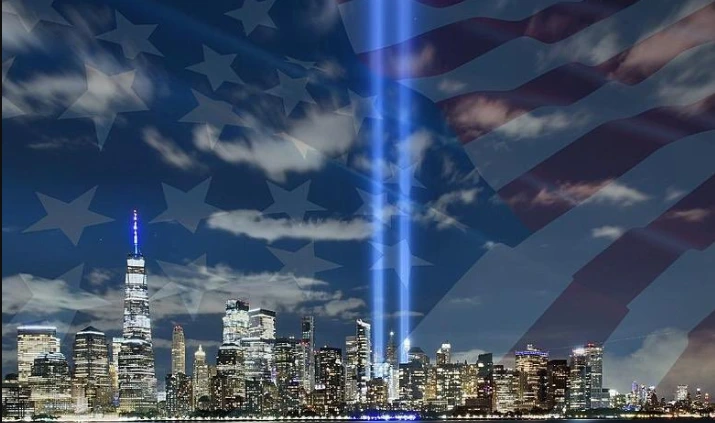
New York City: At Ground Zero, the 9/11 Memorial & Museum hosts ceremonies that include the reading of victims’ names, moments of silence marking the times of each attack, and the illumination of the “Tribute in Light,” two beams that rise into the sky symbolizing the fallen towers.
Washington, D.C.: At the Pentagon, wreaths are laid, military and government leaders deliver remarks, and families of victims gather to pay respects.
Shanksville, Pennsylvania: At the Flight 93 National Memorial, ceremonies highlight the courage of the passengers who prevented the hijackers from reaching their target. Families, officials, and local communities gather for reflection.
Across the Nation: In cities large and small, Americans participate in volunteer projects, community services, and acts of kindness as part of the National Day of Service and Remembrance. Schools, churches, and civic organizations host events to ensure the story of 9/11 is passed down to future generations.
Official Observances: Flags across the United States are flown at half-staff. The President, governors, and local leaders lead moments of silence and remembrance throughout the day.
A Nation Reflects
On this September 11, America once again pauses to reflect on how that tragic morning reshaped the nation and the world. Remembering 9/11 is not just about looking back—it is about ensuring the sacrifices made are honored and that the lessons learned continue to guide the future.
The message remains clear and powerful: America remembers. America honors. America will NEVER FORGET.

World Laughter Day: Can laughter really make you healthier?
World Laughter Day is celebrated to promote joy, mental well-being, and connection among people through something as simple as laughing. Are the effects real?

Operation Safe Driver Week 2026 targets risky driving behaviors
Operation Safe Driver Week, organized by the CVSA, is a safe driving awareness and outreach initiative focused on drivers in the United States, Canada, and Mexico.

How Weather Is Reshaping Risk on U.S. Trucking Routes
Extreme events, emerging risk zones, and a growing impact on operations, costs, and insurance across the freight industry.

U.S. 250th anniversary celebrations take to the rails
Commemorative locomotives take the rails for United States’ 250th anniversary

In brief: rail crossing safety, California autonomous trucks, and CDL laws
From rail crossing safety to autonomous trucks and CDL laws, these are the key U.S. updates in transportation.

USDOT drives logistics hubs through the Regional Infrastructure Accelerators (RIA) program
USDOT strengthens its logistics hubs strategy through the Regional Infrastructure Accelerators (RIA) program, designed to unlock projects, enhance intermodal connectivity, and accelerate critical infrastructure for freight transportation across the United States.