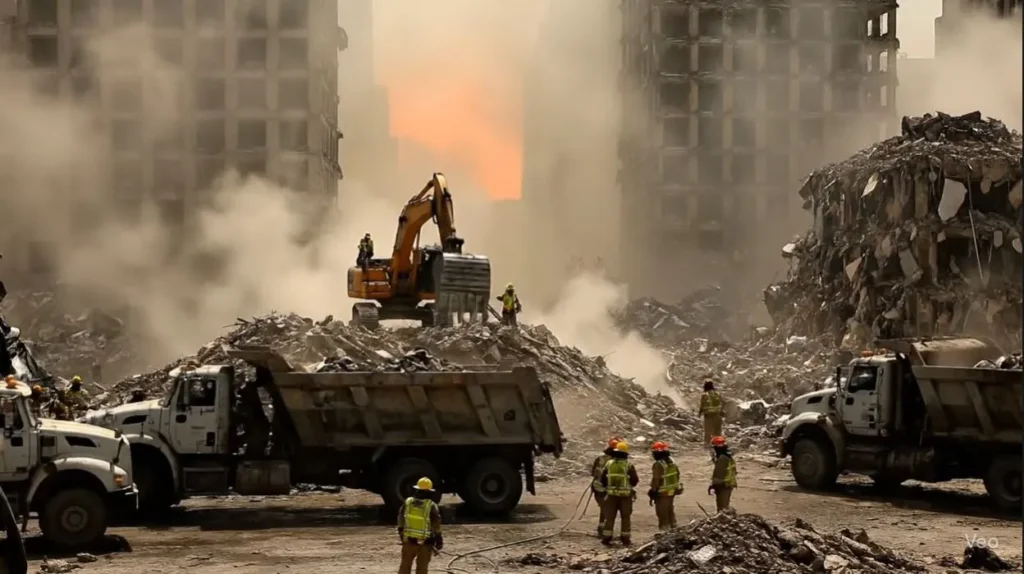
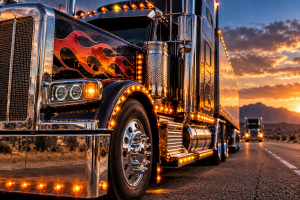
This 9/11, we remember not only the victims, but also all the volunteers who made the rebuilding of a nation possible.
September 11, 2001 (9/11), is a date that forever changed the course of history in the United States, and the world. The attack on the Twin Towers in New York was a catastrophe witnessed by millions in horror, fearing for the lives of their loved ones and dreading the possibility of a second strike. In the midst of that collective anguish, some did the unthinkable: they mobilized to save countless lives, even at the risk of their own. Paramedics, firefighters, first responders, and even truckers, acted with courage and determination during one of the most critical moments in modern history.
After the attacks, as much of the country stood still in fear and uncertainty, truck drivers began to act. Many, upon hearing the news on the radio, changed course and volunteered their help. Some transported emergency equipment, food, water, and medical supplies. With airports closed and many other transportation routes restricted, the trucking network became a logistical lifeline.

Stories that didn’t make headlines: the 9/11 truckers
Many truckers didn’t seek recognition. Despite the crucial role they played during the national crisis, they remained silent heroes, knowing that the only recognition that truly mattered was the personal satisfaction of having given their best. Their efforts were essential in supporting thousands of people during one of the darkest times in the nation’s history.
So this September 11th, we remember not only the victims, but also all the volunteers who helped rebuild a broken nation. As part of this commemoration, we’ve gathered stories of truckers who lived through the attacks firsthand. Shared across various media outlets, we present them here as a token of our deepest gratitude.
Dick McCorkle, a trucker specializing in deliveries for Perkins, was trapped inside a warehouse in Manhattan during the blackout that followed the attacks. He was able to get out thanks to emergency lighting, but found himself facing blocked streets, non-functioning traffic lights, and no way to communicate: neither his CB radio nor his cellphone worked. Several people approached his truck looking for information, but even speaking to someone across the street was nearly impossible, McCorkle told Overdrive years later.

The story of Russell Vereen was shared by FreightWaves during the 22nd anniversary of the attacks. Vereen recalls the 205 days he spent working at Ground Zero after 9/11, operating a refrigerated truck turned temporary morgue, ensuring the trucks stayed fueled and functional, and assisting in the handling of human remains. Two months later, he also helped respond to the crash of American Airlines Flight 587. Vereen worked 93 consecutive days before taking a break and stayed on duty until his services were no longer needed.
The International Brotherhood of Teamsters also has stories to tell. A remembrance shared on their official website recounts how members of Local 807 in Long Island City, New York, were among the first to assist immediately after the attacks. The Teamsters arrived at the World Trade Center site to help guide confused and frightened people to safety.
Bettina Cameron, who was working as a truck driver for Covenant Transport at the time, shared her story with Overdrive. On September 10, she made a delivery in Long Island, and the next morning, while heading to Pennsylvania, she witnessed the second tower fall. Cameron recalls how, despite the fear, the experience revealed a powerful sense of camaraderie among truckers, who rose to the occasion and took on a role akin to that of first responders, ready to help in any way they could.

A spirit of national solidarity
At a time when the country felt broken, the response of truckers reflected a powerful spirit of national solidarity. They came from all corners of the United States, from different cultures, religions, and backgrounds. The one thing they all had in common was a desire to help.

Trucks or War Machines? The Mystery of Spiked Wheels on American Highways
They look like something straight out of an action movie, yet they can be spotted on highways across the United States. The striking chrome spikes protruding from some truck wheels spark curiosity, controversy, and one important question: Are they actually dangerous, or just another expression of trucker culture?
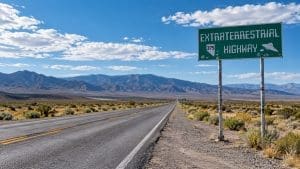
Nevada’s Extraterrestrial Highway and Other Desert Mysteries
From a highway near Area 51 to the desert where a vehicle broke the sound barrier, Nevada is home to some of America’s most fascinating road stories.

California: Scammers Impersonate FMCSA’s Motus System, Putting Trucking Companies’ Data at Risk
The Federal Motor Carrier Safety Administration (FMCSA) is warning trucking companies about four fraudulent websites impersonating its new federal registration system. Scammers are using emails that demand urgent updates to redirect carriers to fake portals. The warning also applies to California motor carriers.
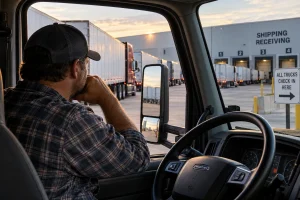
Do You Know How Much Money Your Truck Has Lost Sitting Idle in 2026?
Hours spent waiting at warehouses and distribution centers continue to cost American truck drivers time and money. Federal research has estimated more than $1 billion in annual lost driver income, while the FMCSA explores new ways to address detention time and its impact on road safety.

The Incredible Story of a Grave in the Middle of an Indiana Road
On a rural road in Indiana, drivers must navigate around a grave that has remained in the same location since 1831. The story of Nancy Kerlin Barnett, her family, and an unusual engineering decision has turned this stretch of pavement into one of the state’s most famous roadside curiosities.
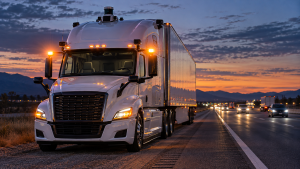
Autonomous Trucks: Who Places the Warning Triangles When There’s No Driver?
A federal exemption allows warning triangles to be replaced with cab-mounted beacons on certain autonomous trucks. The decision addresses how to warn approaching traffic when no one can step out of the cab.