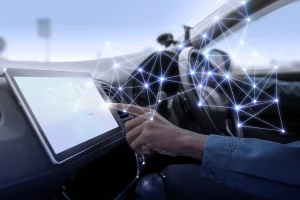
AI in the transportation sector is still in its early stages, with multiple potential applications
Artificial intelligence (AI) is a term that describes software capable of simulating human intelligence and has existed for more than half a century. In recent years, its development has permeated various fields, including freight transportation, where investment in AI aims to improve safety and productivity.
Despite advancements, AI in the transportation sector is still in its early stages, with multiple potential applications such as driver safety, labor efficiency, vehicle maintenance, and business intelligence. Tom McLeod, CEO of McLeod Software, noted that technological advancements have made AI more accessible and facilitated its widespread adoption.
AI can automate routine tasks, increasing productivity and allowing workers to focus on more valuable activities. In addition, it can improve driver training, detect unsafe behavior and optimize predictive maintenance, as well as act as a copilot, performing mundane tasks and freeing workers for more strategic roles.
Artificial intelligence also allows for better data utilization, identifying patterns to prevent accidents and improve driver retention. Other uses include route optimization, pricing, and the development of autonomous driving software. Lindsay Watt from Parade highlights that AI is promoted to enhance worker efficiency rather than replace them, emphasizing human-machine collaboration to improve productivity.

Companies implementing AI in the transportation industry
In the transportation sector, AI models can help structure and synthesize large volumes of unorganized supply chain data from various sources and formats.
Companies like Sunset Transportation use AI to improve operational efficiency and customer service by streamlining contract negotiations, reducing the time from days to 45 minutes by identifying areas of agreement and discrepancies. Additionally, AI-based weather management allows for predicting shipping disruptions, notifying customers in advance about potential weather impacts. Sunset also employs automated quoting to extract data from emails, simplifying routine work and allowing freight agents to focus on customer calls.
Another example is Decker Truck Line, which has implemented AI-powered video telematics systems in its trucks to enhance safety and driver training. The company also explores fuel optimization and load volume forecasting using AI. Furthermore, they use AI to reduce driver turnover by hiring those who live near high-demand shipper areas, facilitating home time and minimizing empty miles.
While there are still many reservations about using AI, these examples highlight the importance of beginning to adopt AI. Companies can start implementing it in non-essential yet significant aspects of their businesses, seeing positive results and easing processes for their staff.

Jerome Powell under investigation as tensions between Trump and the Fed escalate
The investigation into Powell has raised global concerns over a potential threat to the independence of the U.S. central bank. In the new episode of

Road Alert: 25 States Under Extreme Driving Conditions
Snow, ice, strong winds, and low visibility are keeping major highways under active travel advisories. The alert now affects 25 states and calls for extra caution, especially among truck drivers and freight carriers operating along key corridors.

Human Trafficking: A Nationwide Call to Action on America’s Roads
Human trafficking is the focus of a nationwide awareness week aimed at educating truck drivers, motor carriers, law enforcement, and the public about human trafficking, how to spot the warning signs, and what to do if someone may be in danger.

TAA Compliance: When Safety Complaints Turn Into Six-Figure Losses
STAA compliance is no longer a technical detail for fleet owners—it is a financial, legal, and insurance exposure. A recent enforcement action in Texas shows how mishandling safety complaints can lead to termination claims, retaliation findings, and six-figure penalties, and what carriers must do to avoid becoming the next case

U.S. labor market raises red flags on Wall Street
The U.S. labor market closed 2025 with clear signs of weakening, as evidenced by the latest employment data released in December. In the latest episode

DOT finds half of North Carolina CDLs were issued illegally
The DOT warns that half of North Carolina’s CDL licenses are irregular after a federal audit uncovered serious compliance failures. The findings directly affect truckers, fleets, and transportation companies, raising urgent questions about road safety, legal operations, and the future of the trucking industry.