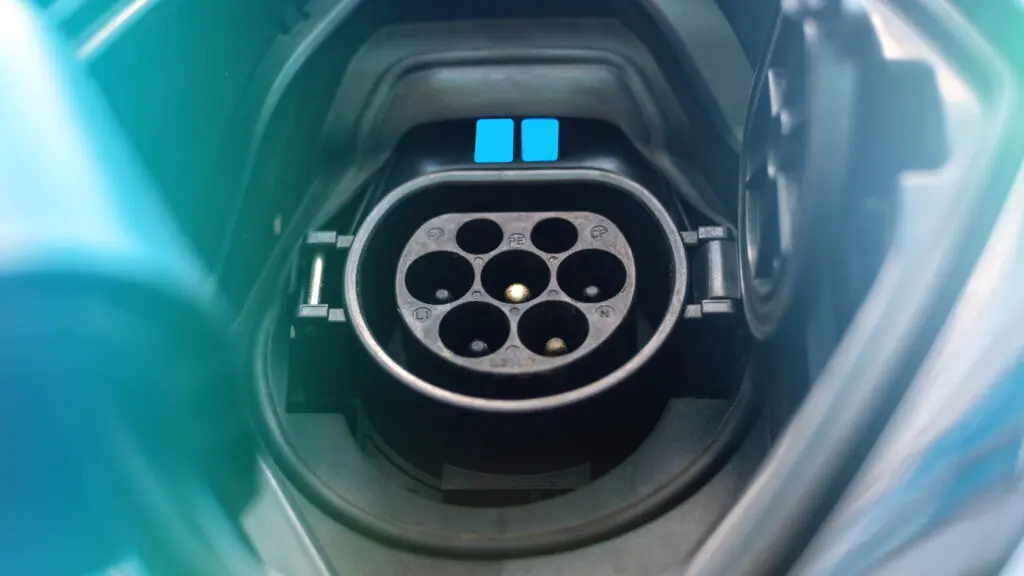
This will be the replacement of your electric batteries, after the fire in your units.

A fire in June and a second incident in August led Nikola Corp. to recall and stop selling its battery-electric trucks. Last September the company announced its new launch: a hydrogen truck, an alternative solution.
After the fire that occurred on June 23 at the company’s facilities, Nikola took a drastic solution, stopping production of all its Class 8 Tre and recovering those sold for new tests.
The company has been looking to recover after the incidents that occurred, and its recent efforts include the appointment of Girsky, former vice president of General Motors Co. as its new CEO, along with the news of a new truck that promises to revolutionize the market .
How hydrogen vehicles work
It is a completely electric vehicle, which runs on a fuel cell that is powered by hydrogen. The Tre FCEV, still in production, already has 277 orders from 35 customers and the units are expected to be available by the end of this year.

The Tre FCEV truck uses a process in which it transforms hydrogen into electrical energy by combining it with oxygen. Additionally, it supplements its battery with hydrogen energy from the fuel cell for acceleration, capturing energy through regenerative braking. According to information found on Nikola Corp’s official website, it boasts a maximum range of 500 miles and a recharge time of 20 minutes or less.
Regarding the incidents, on November 2, the company declared that it will end the production of the battery packs that were used in the trucks that were supplied by Romeo Power Inc. The replacement process will cost $61.8 million. dollars for the company.

Jerome Powell under investigation as tensions between Trump and the Fed escalate
The investigation into Powell has raised global concerns over a potential threat to the independence of the U.S. central bank. In the new episode of

Road Alert: 25 States Under Extreme Driving Conditions
Snow, ice, strong winds, and low visibility are keeping major highways under active travel advisories. The alert now affects 25 states and calls for extra caution, especially among truck drivers and freight carriers operating along key corridors.

Human Trafficking: A Nationwide Call to Action on America’s Roads
Human trafficking is the focus of a nationwide awareness week aimed at educating truck drivers, motor carriers, law enforcement, and the public about human trafficking, how to spot the warning signs, and what to do if someone may be in danger.

TAA Compliance: When Safety Complaints Turn Into Six-Figure Losses
STAA compliance is no longer a technical detail for fleet owners—it is a financial, legal, and insurance exposure. A recent enforcement action in Texas shows how mishandling safety complaints can lead to termination claims, retaliation findings, and six-figure penalties, and what carriers must do to avoid becoming the next case

U.S. labor market raises red flags on Wall Street
The U.S. labor market closed 2025 with clear signs of weakening, as evidenced by the latest employment data released in December. In the latest episode

DOT finds half of North Carolina CDLs were issued illegally
The DOT warns that half of North Carolina’s CDL licenses are irregular after a federal audit uncovered serious compliance failures. The findings directly affect truckers, fleets, and transportation companies, raising urgent questions about road safety, legal operations, and the future of the trucking industry.