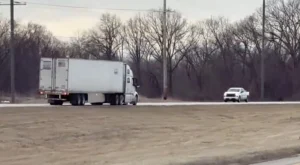
This measure is designed to optimize delivery efficiency and improve logistics on California's road network
Last Friday, the California Department of Motor Vehicles (DMV) released a draft proposal that will define the regulations for operating heavy autonomous trucks, those exceeding 10,001 pounds. This draft is the result of an extensive consultation process carried out over the past year in collaboration with the California Highway Patrol, which has held multiple meetings to gather public input on the safety, economic, and labor aspects involving these driverless vehicles.
California Transportation Secretary Toks Omishakin emphasized the importance of advancing responsibly with this emerging technology. According to information shared by FreightWaves, Omishakin stated that the implementation of autonomous trucks has the potential to not only enhance safety and sustainability in transportation but also to create new employment opportunities within the sector.
The draft proposal specifies that autonomous trucks will be permitted to operate on roads with speed limits of 50 mph (80 km/h) or higher, as well as on urban routes, to facilitate long-distance deliveries, and in less complex operational areas. This measure is designed to optimize delivery efficiency and improve logistics on California’s road network.
California’s DMV has requested public comments on the proposal, especially regarding the criteria for defining the operational design domains for long-haul operations. Additionally, the agency is seeking input on any other proposed changes, including perspectives from manufacturers, technology experts, workers, first responders, and end-users of autonomous vehicle technology.

Permitting for heavy autonomous trucks in California
The proposed framework includes a two-phase permitting process. Initially, manufacturers must obtain a permit to conduct testing with a safety driver on board. In later phases, separate permits will be required for driverless testing and for full deployment. Each permit application will require manufacturers to present a detailed safety case addressing organizational, operational, and vehicle aspects.
It is important to note that certain operations, such as household moves, oversized loads, hazardous materials, and bulk tankers, are excluded from the proposed framework for safety reasons. Additionally, the DMV has acknowledged that questions remain about how laws will be applied to infractions committed by autonomous trucks and other aspects related to human driving in these vehicles.
Jeff Farrah, Executive Director of the Autonomous Vehicles Industry Association (AVIA), described the draft as a significant step toward improving road safety and supply chain efficiency in California. Farrah expressed support for the proposal and a willingness to constructively engage in the review of the framework. Those interested in providing comments can do so by emailing AutonomousVehicles@dmv.ca.gov before October 14, 2024, ensuring to include the name of the individual or organization, as the agency will not accept anonymous comments.

Jerome Powell under investigation as tensions between Trump and the Fed escalate
The investigation into Powell has raised global concerns over a potential threat to the independence of the U.S. central bank. In the new episode of

Road Alert: 25 States Under Extreme Driving Conditions
Snow, ice, strong winds, and low visibility are keeping major highways under active travel advisories. The alert now affects 25 states and calls for extra caution, especially among truck drivers and freight carriers operating along key corridors.

Human Trafficking: A Nationwide Call to Action on America’s Roads
Human trafficking is the focus of a nationwide awareness week aimed at educating truck drivers, motor carriers, law enforcement, and the public about human trafficking, how to spot the warning signs, and what to do if someone may be in danger.

TAA Compliance: When Safety Complaints Turn Into Six-Figure Losses
STAA compliance is no longer a technical detail for fleet owners—it is a financial, legal, and insurance exposure. A recent enforcement action in Texas shows how mishandling safety complaints can lead to termination claims, retaliation findings, and six-figure penalties, and what carriers must do to avoid becoming the next case

U.S. labor market raises red flags on Wall Street
The U.S. labor market closed 2025 with clear signs of weakening, as evidenced by the latest employment data released in December. In the latest episode

DOT finds half of North Carolina CDLs were issued illegally
The DOT warns that half of North Carolina’s CDL licenses are irregular after a federal audit uncovered serious compliance failures. The findings directly affect truckers, fleets, and transportation companies, raising urgent questions about road safety, legal operations, and the future of the trucking industry.