 Llame al (888) 572-7520 para hablar con un agente
 Enviar mensaje a un agente
Lawmakers propose 10% penalty for brokers hiring high-risk carriers

A new legislation was proposed to penalize brokers who hire carriers with a history of violations. On December 18, Republican Representative John Moolenaar of Michigan introduced H.R. 6884, a bill aimed at increasing the accountability of freight brokers and transportation intermediaries in their carrier selection practices by imposing a 10% penalty on those who contract […]
ATA Calls for Tougher Penalties Against Cargo Theft
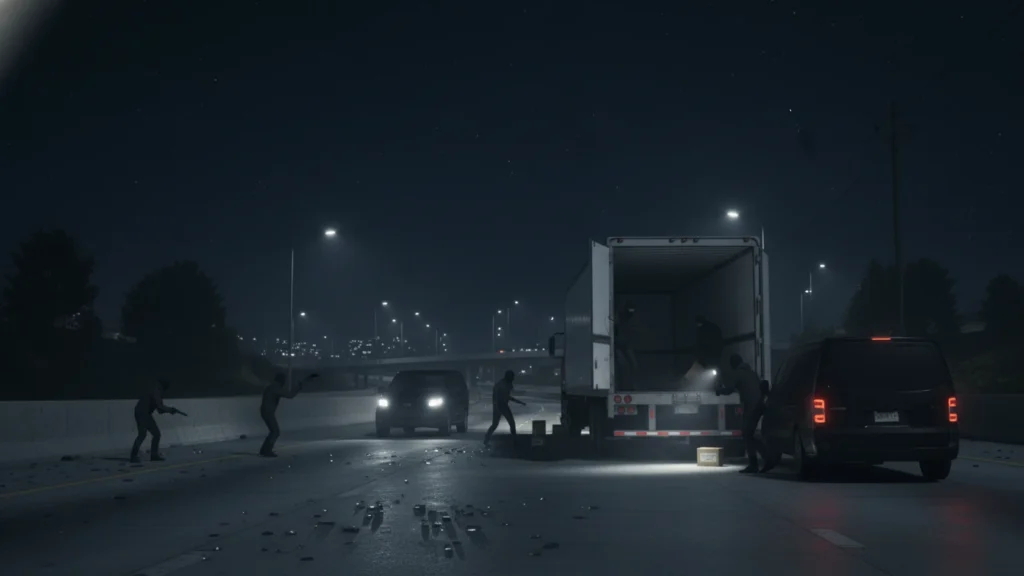
Cargo theft has moved from being an industry nuisance to a national concern. The American Trucking Associations (ATA) warned Congress that the crime is draining billions from the U.S. supply chain, disrupting logistics operations, endangering drivers, and increasingly intersecting with organized crime and national security threats—prompting renewed calls for stronger federal penalties and coordinated enforcement.
Fatigue Monitoring 2025: New Federal Changes Ahead

Federal agencies are reassessing fatigue monitoring technologies and HOS standards, signaling potential regulatory changes for the trucking industry.
A guide to “angry eyes” rules every driver should know
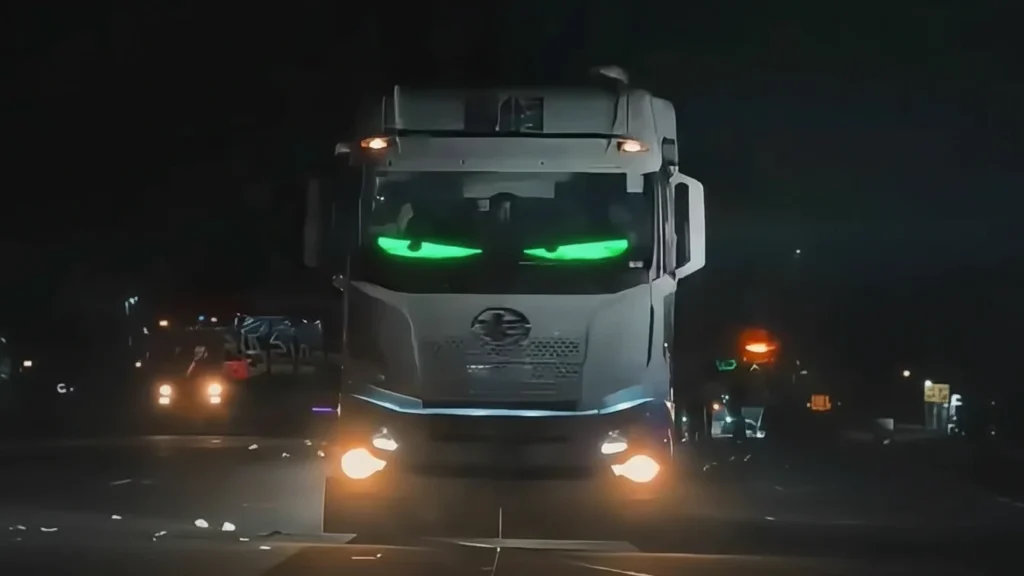
The recent wave of traffic stops in Wisconsin and California for trucks using green LED “angry eyes” lights has reignited a national debate: what modifications are allowed, and which ones are strictly prohibited, under U.S. trucking regulations? This angry eyes crackdown highlights a growing issue in the industry—confusion about what is actually legal on the road.
CDL Compliance Shake-Up: Thousands Face CDL Removal Review

CDL Compliance Shake-Up: Thousands Face CDL Removal Review, as federal transportation authorities launch an unprecedented nationwide operation targeting noncompliant training centers.
What the New Federal NOx Standards Mean for the Trucking Industry

The upcoming 2027 federal NOx standards are set to reshape the U.S. trucking industry, raising concerns about higher equipment costs, tougher compliance demands, and the financial strain on fleets already navigating a prolonged freight recession.
U.S. Unveils 1st Female Crash-Test Dummy, Sparking Debate: Are Accidents Different for Men and Women?

The new THOR-05F marks a milestone: for the first time, a crash-test dummy accurately reflects the female anatomy. Officials argue that decades of safety testing based on male-bodied models left women more vulnerable to severe injuries. The announcement aligns with the administration’s broader push to reintroduce biological sex classifications in medical and safety policy.
Diesel Reliability in Cold Climates Act of 2025

New bill to authorize manufacturers to suspend engine power-reduction functions and engine shutdowns in diesel vehicles during periods of cold weather. A new bill is being reviewed by the Committee on Environment and Public Works, with the goal of allowing the Environmental Protection Agency (EPA) to authorize manufacturers to suspend engine power-reduction functions and engine […]
Crash Responder Safety: A National Priority for America’s Highways

A Shared Road, A Shared Responsibility
Crash Responder Safety is more than a federal campaign — it’s a real-world issue that affects every trucker rolling down America’s highways. Quick-clearance techniques, better communication, stronger enforcement, data-driven crash prevention, and consistent “Move Over” behavior all contribute to safer roads for responders and for drivers behind the wheel of Class 8 equipment.
As USDOT continues to expand training and roll out new safety initiatives, the trucking community remains a critical partner. Protecting the people who protect us — and preventing crashes before they happen — is a mission shared by every responder, every agency, and every driver in the industry.
CDLs in Legal Limbo After Federal Court Freeze

The suspension of the new federal rule on CDLs has left thousands of immigrant drivers and state agencies without clear guidance — a situation made even more chaotic by the California scandal, where 17,000 commercial licenses were revoked after irregularities were uncovered. Together, these crises have pushed the nation’s licensing system into a regulatory limbo with direct consequences for the U.S. transportation industry.
 Business hours: Monday to Friday from 8:00 AM to 5:00 PM. California time