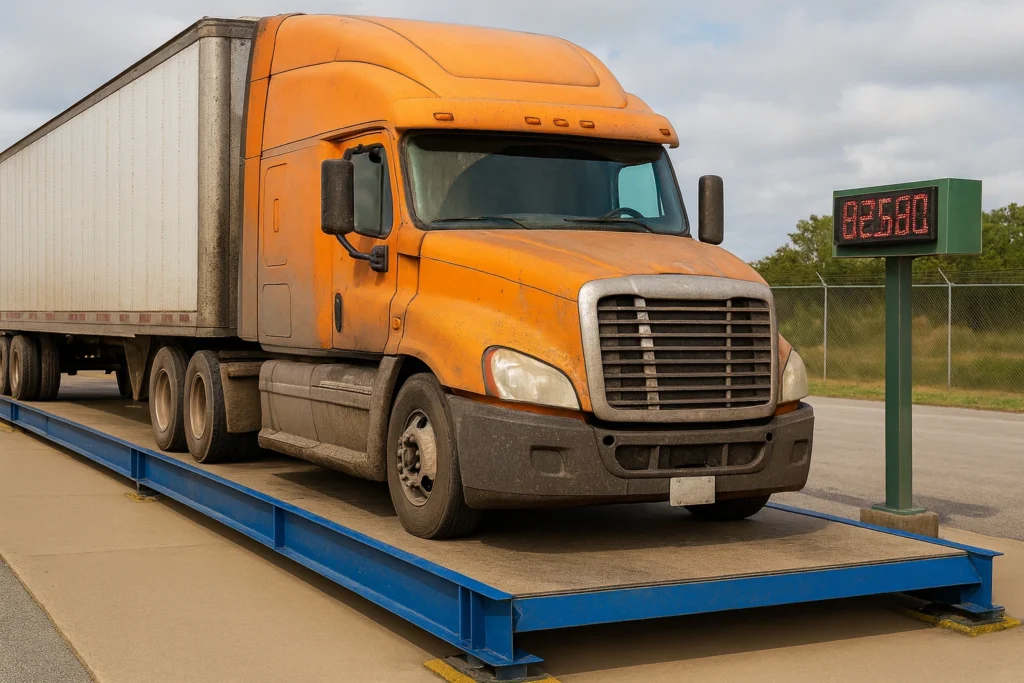
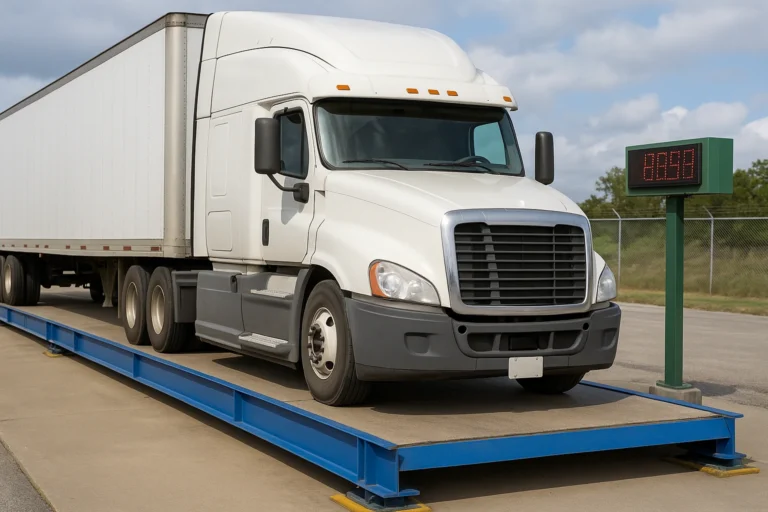
The debate over increasing the maximum truck weight limit in the U.S. is nothing new—but it has gained fresh momentum with a proposed pilot program that could significantly reshape the rules of road freight transportation.
In the U.S. Congress, lawmakers are now deliberating a measure that would raise the federal weight limit for trucks from the current 80,000 pounds (about 36.3 metric tons) to 91,000 pounds (41.3 metric tons). The goal is to improve operational efficiency and help ease the nationwide shortage of truck drivers.
The proposal—backed by legislators from states with strong agricultural and industrial activity—argues that a higher capacity would allow more freight to be moved in fewer trips, cutting logistics costs and lowering emissions per mile. Still, the technical, economic, and safety implications have sharply divided policymakers and industry stakeholders alike.
Arguments in Favor: More Freight, Fewer Trips
Supporters say the jump to 91,000 pounds could deliver immediate gains in logistics efficiency. With trucks able to carry roughly 13.75% more per trip, fewer trips would be needed to move the same volume of goods.
Key benefits cited by proponents include:
Easing the driver shortage: Fewer trips mean fewer total driving hours required—a major factor given the national shortfall of roughly 80,000 drivers, according to the American Trucking Associations (ATA).
Lower operating costs: Companies could save on fuel, labor hours, and vehicle maintenance.
Reduced environmental impact per load: By decreasing the total number of trips, greenhouse gas emissions per ton transported would decline.
The plan also requires an additional axle to better distribute the added weight and minimize impacts on road surfaces and vehicle stability—measures that proponents say would help offset the risks of heavier loads.

Arguments Against: Road Safety and Infrastructure Damage
Opponents warn that increasing truck weights could have serious consequences for both highway safety and infrastructure.
Main concerns include:
Higher accident risk: Heavier trucks need longer stopping distances and are harder to maneuver in emergencies.
Infrastructure strain: Extra weight puts more stress on bridges and roadways, accelerating deterioration. The Coalition Against Bigger Trucks estimates the cost of bridge reinforcement and repairs could reach $60.8 billion.
Greater crash severity: In collisions involving heavier trucks, the force of impact would be higher, potentially leading to more severe injuries for other motorists.
Competitive disadvantage: Smaller carriers with older fleets may not be able to retrofit vehicles to meet the new standard, giving large companies a market edge.
Civil engineers and transportation experts also caution that much of America’s road and bridge network was designed around the 80,000-pound limit. Raising the cap without parallel investments in modernization could shorten infrastructure lifespans and drive up maintenance costs in the medium term.
Economic and Logistics Impact
If implemented, the pilot program could be especially advantageous for industries where cargo weight is a key factor—such as agriculture, construction, forestry, and heavy manufacturing. Moving grain, lumber, or steel, for example, could become significantly more efficient.
However, groups like the Owner-Operator Independent Drivers Association (OOIDA) argue that potential company savings do not outweigh the added risks. They also warn that the promised reduction in trips might be limited by real-world constraints like state-level weight restrictions, dock capacity, and local regulations.
Political and Regulatory Considerations
The 80,000-pound federal limit was set in 1974, though some states have since granted exceptions for certain corridors or cargo types. The proposed pilot would allow for a controlled test period, during which safety data, infrastructure costs, and operational efficiency would be closely monitored.
Passage in Congress will not be easy. While the bill enjoys bipartisan backing, it faces opposition from lawmakers concerned about road safety and the potential fiscal burden of infrastructure repairs. Insurance providers and some trucking associations have also raised questions about how such changes could affect policy coverage and premiums.
A Familiar Debate
The push to raise the U.S. truck weight limit to 91,000 pounds encapsulates the ongoing tension between economic efficiency and public safety. While the logistical benefits are clear, the risks—from faster road wear to more severe crashes—are equally hard to dismiss.
Ultimately, Congress will have to decide whether the pilot program’s potential benefits outweigh the projected costs and risks. Whatever the outcome, the decision could redefine the future of U.S. freight transportation—and set a precedent for either more flexible or more restrictive regulations in the years ahead.

Teton Pass bridge will be closed to traffic for 10 days
Teton Pass is one of the most heavily traveled routes for truck drivers in Wyoming, serving as a vital corridor for the trucking industry. The

Terrifying Experiences of Truck Drivers Sleeping on the Road at Night

Cargo theft numbers drop for the third quarter of 2025
The cargo theft tracking company Verisk CargoNet released its report for the third quarter of 2025. The cargo theft tracking company Verisk CargoNet released its

40 major U.S. airports to see flight reductions due to government shutdown
40 U.S. airports, including those in New York, Los Angeles, and Chicago, will see flight reductions starting November 7 due to the government shutdown. 40

DOT Medical Card: Keeping Medical Certification Up to Date
Keeping your DOT Medical Card current is essential for both drivers and fleet operations.
Brake Safety Week 2025 results: almost 85% of commercial vehicles had no violations
Results of Brake Safety Week, organized jointly by the Commercial Vehicle Safety Alliance (CVSA) and the Department of Transportation, have been published. Results of Brake